503-590-7574

Blog
Do Dental Implants Last Forever?
February 20, 2026
Dental Implants
“Will this last forever?”
“Is this really a lifetime investment?”
“What happens 10 or 20 years from now?”
These are thoughtful questions we hear from patients who want a solution that doesn’t require constant repairs or replacements. When you’re balancing work, family responsibilities, and a busy commute along SW Murray Scholls Drive, the idea of choosing a long-term dental solution matters. No one wants to keep revisiting the same problem every few years.
This is one of the most common questions patients ask.
If you are considering a dental implant in Beaverton, it’s natural to want clarity about how long it will last and what kind of maintenance it requires. Many patients exploring permanent tooth replacement are not just thinking about restoring a smile — they are thinking about durability, long-term oral health, and whether this choice truly supports their future.
Let’s look at what “forever” really means in dentistry.
What “Permanent” Really Means in Dentistry
In dental care, the word “permanent” does not mean indestructible. Natural teeth themselves are not immune to wear, decay, or gum disease. Even healthy enamel can fracture under enough force.
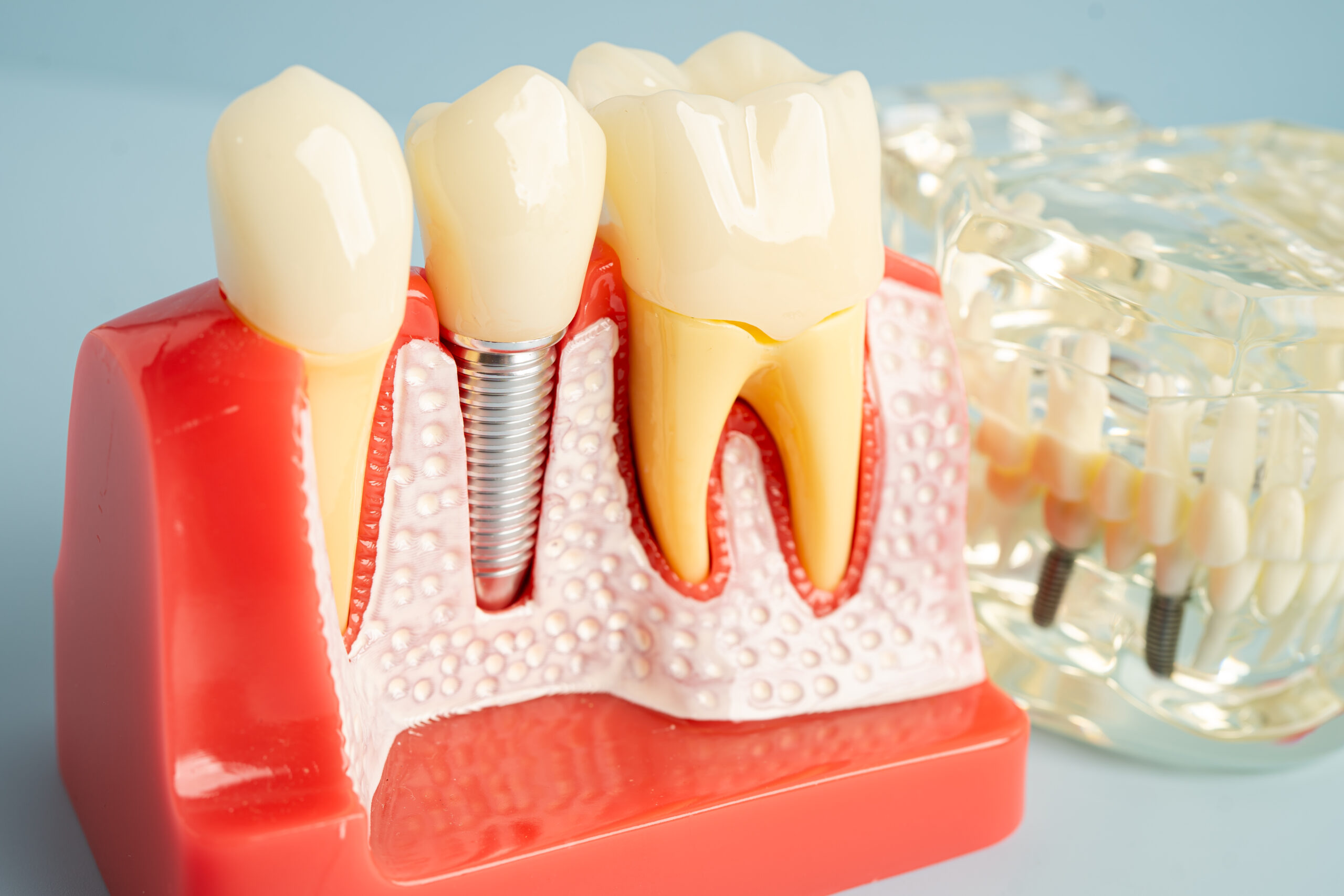
Dental implants are designed to be long-lasting because they replace the root of the tooth with a titanium post that integrates with the jawbone. This integration process — called osseointegration — creates stability similar to a natural tooth root.
However, no dental restoration comes with a lifetime guarantee. Longevity depends on biology, daily habits, and regular professional care. The goal is not perfection; it is stability, function, and predictable performance over many years.
How Long Do Dental Implants Typically Last?
When discussing lifespan, it helps to separate the implant into two parts:
1. The Implant Post (Root Replacement)
With proper placement and healthy bone support, the titanium post can last 20 years or more. Many patients maintain their implants for decades.
2. The Crown (Visible Tooth Portion)
The crown attached to the implant generally lasts 10–15 years on average, sometimes longer. Like any dental crown, it can wear down over time due to chewing forces.
Research consistently shows high long-term success rates when implants are placed in healthy patients and maintained properly. Oral hygiene, bite alignment, and gum health all play a role in preserving that longevity.
For patients in nearby communities such as Tigard or Hillsboro who want a durable option that supports long-term dental planning, implants often provide one of the most predictable outcomes in restorative dentistry.
What Determines How Long an Implant Lasts?
Implant longevity is not determined by the device alone. It depends on several biological and lifestyle factors:
Bone Health
Strong, healthy jawbone provides the foundation for implant stability. Bone density influences long-term support.
Gum Health
Healthy gums protect the implant from infection. Conditions like peri-implantitis (inflammation around the implant) can compromise stability if untreated.
Smoking
Smoking reduces blood flow to the gums and bone, which can affect healing and long-term integration.
Diabetes Control
Well-controlled diabetes typically allows for successful implant treatment. Uncontrolled diabetes may increase complication risks.
Bruxism (Teeth Grinding)
Chronic grinding places additional stress on implants and restorations. In some cases, protective nightguards help reduce strain.
Bite Alignment
An uneven bite can create excessive pressure on an implant crown. Proper planning ensures forces are distributed evenly.
Regular Professional Care
Routine exams and cleanings allow early detection of concerns before they become serious.
Each of these factors is evaluated carefully before treatment to support long-term success.
Can Dental Implants Fail?
While uncommon, implant complications can occur. “Failure” in clinical terms usually means the implant does not properly integrate with the bone or loses stability later.
There are two general categories:
Early Complications
These occur during healing and are often related to bone integration.
Late Complications
These may result from gum inflammation, excessive bite pressure, or poor maintenance over time.
Warning signs might include persistent discomfort, mobility, or inflammation around the implant. Regular follow-up visits help identify small issues early, often before patients notice symptoms.
Importantly, implant treatment has a high success rate when carefully planned and monitored. Most complications are preventable or manageable with timely care.
What Patients Can Do to Protect Their Investment
Dental implants are a partnership between patient and provider. Long-term success depends on consistent habits.
Daily Oral Hygiene
Brushing twice daily and flossing carefully around the implant reduces plaque buildup.
Routine Exams
Professional cleanings allow for monitoring of gum health and bone stability.
Avoiding Excessive Force
Chewing ice or hard objects can damage crowns over time.
Healthy Lifestyle Habits
Balanced nutrition, avoiding tobacco, and managing systemic health conditions support long-term outcomes.
Long-Term Dental Planning
Many families in Beaverton appreciate solutions that fit into their busy routines. Implants are low-maintenance, but they are not maintenance-free. Thoughtful care ensures they remain stable and functional for years.
A Thoughtful Next Step
If you are weighing whether implants are the right long-term solution, a comprehensive evaluation can help clarify your individual outlook. Longevity is influenced by bone structure, bite dynamics, medical history, and daily habits.
A personalized assessment allows you to understand realistic expectations and plan confidently. Many patients choose to visit our Beaverton dental office profile to review services, hours, and patient feedback before scheduling an in-person consultation. Taking time to gather information and ask questions ensures your decision is based on clarity, not pressure — and supports a long-term plan built around your health and goals.
Frequently Asked Questions
1. Can an implant really last a lifetime?
In some cases, yes — especially the implant post. However, crowns may require replacement over time due to normal wear.
2. What causes implants to fail?
Common contributing factors include infection, poor bone integration, uncontrolled medical conditions, smoking, or excessive bite force.
3. How often do implant crowns need replacement?
On average, crowns may last 10–15 years, though many last longer depending on wear and maintenance.
4. Is maintenance different from caring for natural teeth?
Maintenance is very similar. Daily brushing, flossing, and regular exams are essential to protect the surrounding gums and bone.
5. Are implants safer long term than bridges?
Implants do not rely on neighboring teeth for support, which can help preserve surrounding tooth structure. Suitability depends on individual oral health conditions.
Recent Posts

August 18, 2026
Can Veneers Fix Gapped or Uneven Teeth?

August 13, 2026
Can Veneers Stain? What to Know About Coffee, Tea, and Wine

August 6, 2026
Best Dentist for Kids Near Beaverton, OR: What to Look For

July 29, 2026
7 Signs You Need a Dental Implant (And What to Do Next)

July 21, 2026