503-590-7574

Dental Implants
Long-Lasting Tooth Replacement You Can Trust
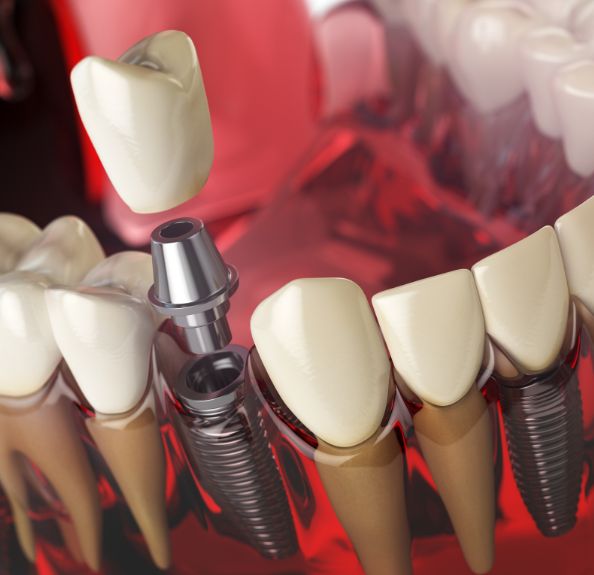
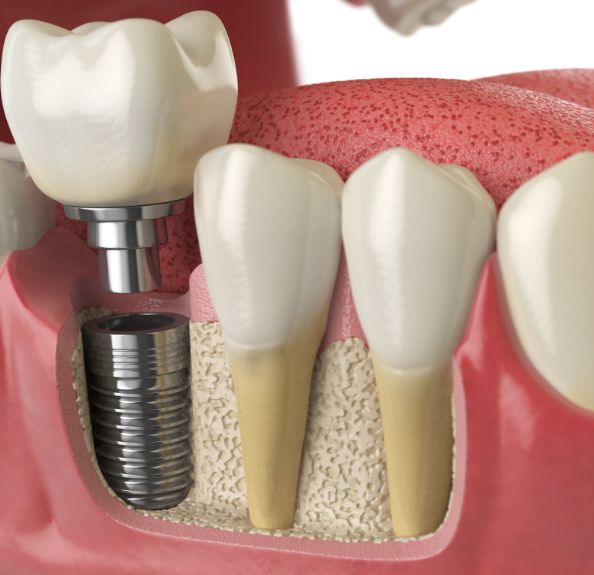
At Murray Scholls Family Dental, Dr. Scott R. Walker and Dr. Nicolas T. Maxim offer permanent solutions for missing teeth. Our custom-made implants provide a reliable and natural-looking restoration option for teeth that cannot be saved. The treatment involves surgically placing a biocompatible implant post into the jawbone, followed by attaching a carefully crafted crown to restore function and appearance. We thoroughly assess your needs and develop a personalized plan to ensure optimal healing and lasting results. Whether replacing a single tooth or restoring an entire arch, our team is here to help you regain your smile and confidence with dental implants in Beaverton.
Why Patients Trust Us For Dental Implants?
Implanted teeth provide a long-lasting solution for missing teeth, and selecting the right provider ensures optimal results. We combine extensive experience, advanced training, and cutting-edge technology to deliver exceptional prosthesis care. We prioritize precision and long-term success in every implant procedure performed by our experienced dental team.
We use advanced technology, such as an intraoral camera, to ensure precise implant placement. These techniques enhance the patient’s requirements and safety throughout the procedure. This state-of-the-art approach also enables us to create restorations that blend naturally with your existing teeth, delivering both optimal function and aesthetic appeal.
Patients receive a fully personalized treatment plan tailored to their unique oral health needs and smile goals. Our compassionate team is committed to creating a stress-free environment where your concerns are heard and your comfort is prioritized. From your first consultation to your final restoration, we focus on delivering a smooth, pain-free experience that restores your ability to chew, speak, and smile without hesitation.
What To Expect During Your Permanent Tooth Replacement Procedure
We make the dental implant procedure straightforward and stress-free, focusing on accuracy and natural-looking results.
Step 1: Consultation And 3D Imaging
Your journey begins with a thorough consultation and 3D imaging to assess bone health and tooth loss. These detailed scans allow us to create a customized treatment plan, ensuring the best possible placement for your implants.
Step 2: Implant Placement Surgery
During the implant surgery, we use advanced techniques to position the titanium posts into your jawbone. Small incisions are made in the gums to allow precise placement. This step is specifically performed with care to minimize discomfort and promote optimal healing.
Step 3: Healing And Osseointegration
Over the next few months, the oral prosthesis will fuse with your jawbone through a natural process called osseointegration. Temporary crowns are placed during this time to protect the area and maintain your smile’s appearance.
Step 4: Abutment And Crown Placement
Once healing is complete, abutments are attached to the fixtures to support your custom-made crowns. These crowns are crafted to match your natural teeth's color, shape, and size, restoring both function and aesthetics.
Is Your Candidacy Right For Dental Implants?
The best dental implant candidates have healthy gums and sufficient jawbone density to support the surgery securely. Non-smokers, or those willing to quit, tend to experience better healing and fewer complications, as smoking can negatively affect recovery.
Maintaining oral hygiene is crucial for prosthetic teeth's long-term success and durability. Individuals with certain chronic health conditions, such as uncontrolled diabetes or cardiovascular issues, might face increased risks and should consult with their healthcare provider before proceeding.
Patients with jawbone loss may still qualify for implants after undergoing bone grafting or other preparatory treatments to restore stability. Additionally, those who grind or clench their teeth excessively remain at risk of implant failure. Still, patients with mild or manageable bruxism can safely benefit from the procedure to restore function and aesthetics.
Aftercare Instructions For A Smooth Dental Implant Recovery
Proper dental implant aftercare is essential for a smooth recovery and long-term success. Most patients experience initial healing within 7 to 10 days, while full implant integration with the jawbone may take several months. Rest is crucial during the first 24 hours. Avoid strenuous activity and keep your head elevated to reduce swelling. Use cold compresses in 30-minute intervals to manage discomfort.
Maintaining excellent oral hygiene is vital. For the first few days, gently rinse with saltwater or a prescribed mouthwash and avoid brushing directly over the surgical site.
Follow a soft food diet for 2 to 4 days, focusing on cool liquids and avoiding hot or spicy foods. Chew on the opposite side of the implant site to prevent irritation. Additionally, avoid smoking and alcohol for at least two weeks, as they can interfere with healing and increase the risk of complications. Our team will provide personalized instructions to support your recovery and ensure the best possible outcome.
Complete Your Smile With Advanced Implant Solutions
Replace missing teeth with natural, custom oral implants at Murray Scholls Family Dental. Using advanced technology, we create durable, natural-looking smiles designed for lasting comfort and function. Ready to restore your smile with strong, easy-to-maintain dental implants in Beaverton, OR? Take the first step toward renewed confidence and function; schedule your consultation today by calling 503-590-7574 or booking an appointment online.
Frequently Asked Questions
480+

Star

Reviews

Murray Scholls Family Dental, Dr. Walker and his staff are amazing! I switched from a different dental office awhile back and I’m hooked! The office atmosphere is very warm and friendly along with an excellent staff. Dr. Walker is very thorough and gentle as well as the kind of person that makes you feel very at ease! All of my experiences with Dr. Walker and his staff have been great! Even my kids look forward to their dental visits. I would recommend Dr. Walker and his staff to anyone!
Deb T, Beaverton, OR
Murray Scholls Family Dental has been the very best for my husband and me. From the dentist to the hygienist and everyone in-between, they are so professional, friendly and caring. We don’t even mind going to the dentist. We’ve recommended them to many of our friends over the years!
Bonnie D, Tigard, OR
We love Murray Scholls Family Dental! My kids ages 9, 7 and 5 look forward to coming to the dentist. Everyone is kind and makes sure you are very comfortable. Thanks!
Becky, Portland, OR
I can’t say enough about how pleased I am with the work Dr. Walker has done. I’ve had a number of crowns done and can’t tell the difference between them and my other teeth. I came to Dr. Walker after a negative experience at another office in town and have been happy ever since. I’m so pleased with the work I continued on with Dr. Walker even after our insurance changed.
Wayne S, Portland, OR

