503-590-7574

Blog
What Causes Dark Spots on Teeth and How Can a Cosmetic Dentist Fix Them?
March 23, 2026
Cosmetic Dentistry
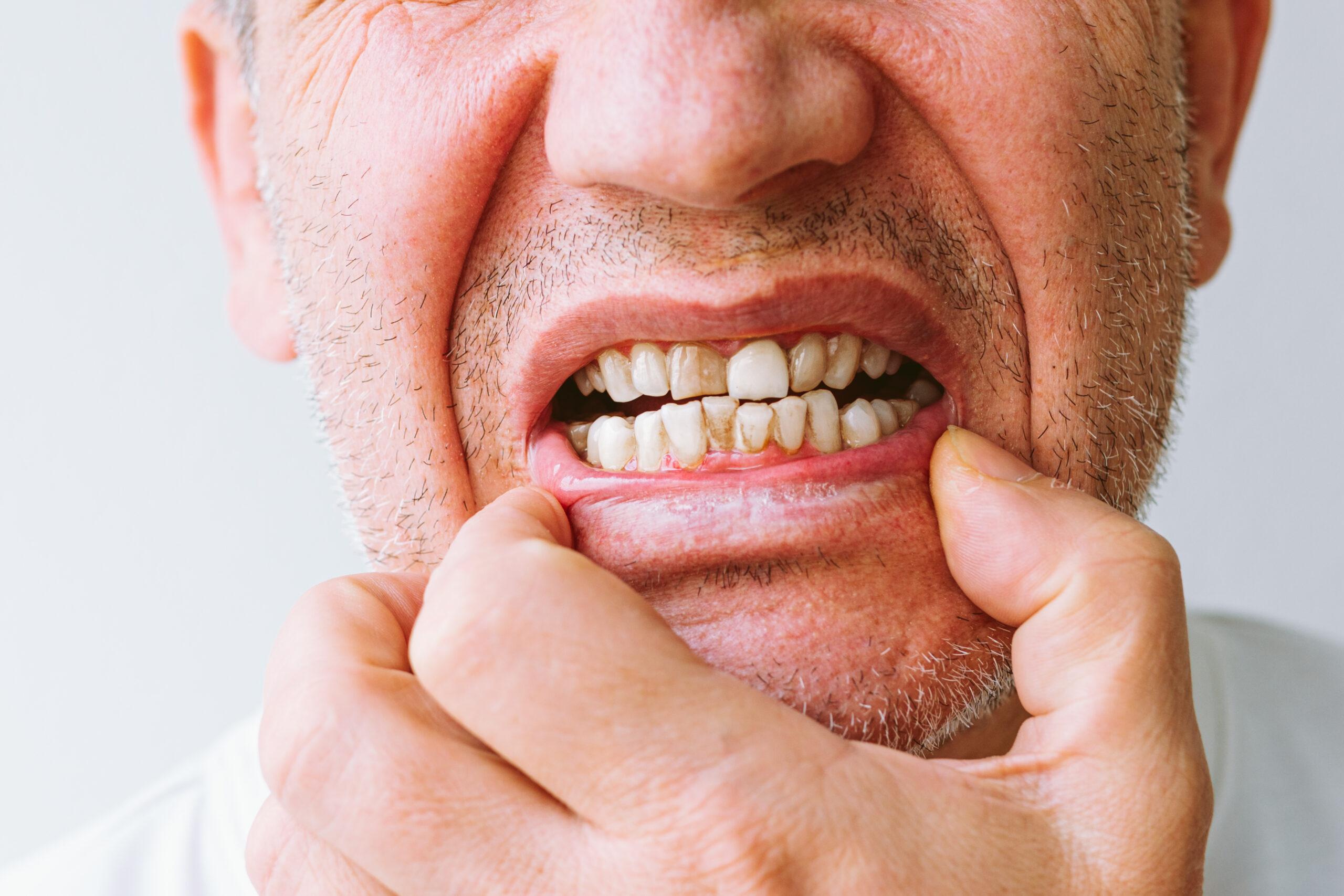
Many patients notice small dark spots on their teeth while brushing in the morning or when looking closely at photos from a family gathering. Sometimes the spots appear gradually over time, while in other cases they seem to show up suddenly after years of enjoying coffee, tea, or certain foods. It’s also common for people to wonder whether these spots are simply stains or something more concerning.
In conversations at dental offices, patients often ask whether these marks can be safely removed or improved. In many situations, modern cosmetic dental treatments can help address discoloration while maintaining the health and structure of the tooth. Understanding what causes dark spots is the first step toward choosing the right approach.
Why Dark Spots Appear on Teeth
Dark spots can develop for several different reasons, and not all of them indicate a dental problem. In many cases, they are related to everyday habits and natural changes in the enamel.
One of the most common causes is surface staining. Beverages such as coffee, tea, red wine, and certain sodas contain pigments that gradually attach to the outer layer of the teeth. Over time, these stains can settle into tiny grooves in the enamel and appear as darker areas.
Aging can also play a role. As enamel naturally thins over the years, the slightly darker dentin underneath may become more visible. This can create the appearance of shadows or spots on the tooth surface.
Plaque buildup is another factor. When plaque remains on the teeth for extended periods, it can collect pigments from food and beverages, leading to small dark areas that may resemble stains.
In some situations, darker spots may indicate early tooth decay or mineral changes in the enamel. Conditions such as fluorosis or past exposure to certain medications during childhood can also create discoloration patterns.
Because the cause varies, a professional evaluation helps determine whether the discoloration is purely cosmetic or related to tooth health.
How a Cosmetic Dentist Evaluates Tooth Discoloration
When patients ask about dark spots, dentists typically begin with a careful visual examination. The goal is to determine whether the discoloration is located on the surface of the enamel or deeper within the tooth.
A dental professional may review the patient’s oral health history, including past dental work, dietary habits, and oral hygiene routines. This context often provides clues about whether stains are related to lifestyle factors or structural changes in the tooth.
During the exam, the dentist also evaluates the condition of the enamel and the surrounding gum tissue. This helps distinguish between cosmetic staining, enamel irregularities, or early decay that may require restorative care.
Because every case is different, identifying the cause allows the dentist to recommend treatment options that protect both the appearance and long-term health of the teeth.
Professional Teeth Whitening for Surface Stains
For many patients, professional whitening is one of the simplest ways to reduce dark spots caused by surface staining.
In-office or dentist-supervised whitening systems work by using specialized solutions that gently break down stain molecules embedded in the enamel. This process allows the tooth to return closer to its natural shade without damaging the tooth structure.
Compared with over-the-counter products, professional whitening treatments are designed to provide more consistent results while minimizing tooth sensitivity. Dentists can also monitor the process to ensure that enamel remains protected.
Whitening tends to work best for stains caused by foods, beverages, or aging. However, deeper discoloration may require other cosmetic solutions.
Dental Bonding for Small Dark Spots or Enamel Imperfections
When discoloration affects a specific area of a tooth, dental bonding may be recommended.
Bonding involves applying a tooth-colored resin that blends naturally with the surrounding enamel. The material can be shaped and polished to cover small stains, repair minor chips, or improve the overall contour of the tooth.
One advantage of bonding is that it is conservative. Only minimal preparation is typically required, allowing the natural tooth structure to remain largely intact. For patients seeking subtle improvements, this option can provide noticeable aesthetic changes while remaining cost-conscious.
Porcelain Veneers for Deeper or Resistant Stains
Some stains extend deeper within the tooth or do not respond well to whitening. In these situations, porcelain veneers may be considered.
Veneers are thin, custom-crafted porcelain shells that are placed on the front surface of the teeth. They can improve the appearance of discoloration while also addressing issues such as uneven shapes, small gaps, or minor alignment concerns.
Because veneers involve long-term planning, dentists typically evaluate several factors before recommending them. These include bite alignment, enamel thickness, and the patient’s overall oral health.
When thoughtfully planned, veneers can provide durable and natural-looking improvements.
Clear Aligners When Discoloration Is Linked to Alignment Issues
In some cases, dark spots are not caused solely by staining but by uneven tooth positioning.
Teeth that overlap or rotate slightly can create areas where plaque accumulates more easily. These areas may appear darker due to shadows or concentrated staining.
Clear aligners offer a discreet way to gradually reposition teeth. By improving alignment, they can make it easier to clean the teeth evenly and reduce areas where discoloration tends to develop.
After alignment improves, cosmetic finishing treatments may be used if needed.
How Cosmetic Dentists Plan Smile Improvements Carefully
Addressing discoloration is rarely a one-size-fits-all process. Cosmetic dentists typically begin by listening carefully to the patient’s concerns and understanding what changes they hope to see.
A smile evaluation often includes examining the condition of the enamel, assessing the bite, and determining whether discoloration is cosmetic or related to structural issues. These steps help ensure that treatment choices support both aesthetics and long-term dental health.
In many cases, dentists recommend starting with conservative options before considering more extensive procedures. Small adjustments, such as whitening or bonding, can sometimes achieve meaningful improvements without altering the natural structure of the teeth.
By focusing on careful planning and patient input, cosmetic care can enhance a smile while preserving oral health.
Considering a Professional Evaluation
Patients who notice persistent dark spots or changes in tooth color may benefit from a professional evaluation. A dentist can help determine whether the discoloration is related to staining, enamel changes, or early dental concerns.
If you would like to discuss possible options or learn more about improving the appearance of your smile, you may consider scheduling a consultation or request an appointment to talk with a dental professional about your concerns.
FAQs
What causes dark spots on teeth?
Dark spots can result from several factors, including staining from coffee or tea, plaque buildup, enamel changes, or early tooth decay. A dental exam helps determine the exact cause.
Can teeth whitening remove dark stains?
Professional whitening can remove many surface stains caused by food and beverages. However, deeper discoloration may require other cosmetic approaches such as bonding or veneers.
Are dark spots always a sign of cavities?
Not always. Some dark spots are simply stains on the enamel. However, certain types of discoloration may indicate early decay, which is why a dental evaluation is important.
Can cosmetic treatments hide stubborn discoloration?
Yes. Treatments like dental bonding or porcelain veneers can cover stains that do not respond well to whitening while maintaining a natural appearance.
How do dentists decide which treatment is best?
Dentists evaluate the location of the discoloration, enamel health, bite alignment, and the patient’s goals. This helps determine whether whitening, bonding, veneers, or another approach will provide the most appropriate result.
Recent Posts

August 18, 2026
Can Veneers Fix Gapped or Uneven Teeth?

August 13, 2026
Can Veneers Stain? What to Know About Coffee, Tea, and Wine

August 6, 2026
Best Dentist for Kids Near Beaverton, OR: What to Look For

July 29, 2026
7 Signs You Need a Dental Implant (And What to Do Next)

July 21, 2026