503-590-7574

Blog
Dental Implants in Beaverton, OR: Cost, Process & What to Expect
June 12, 2026
Uncategorized
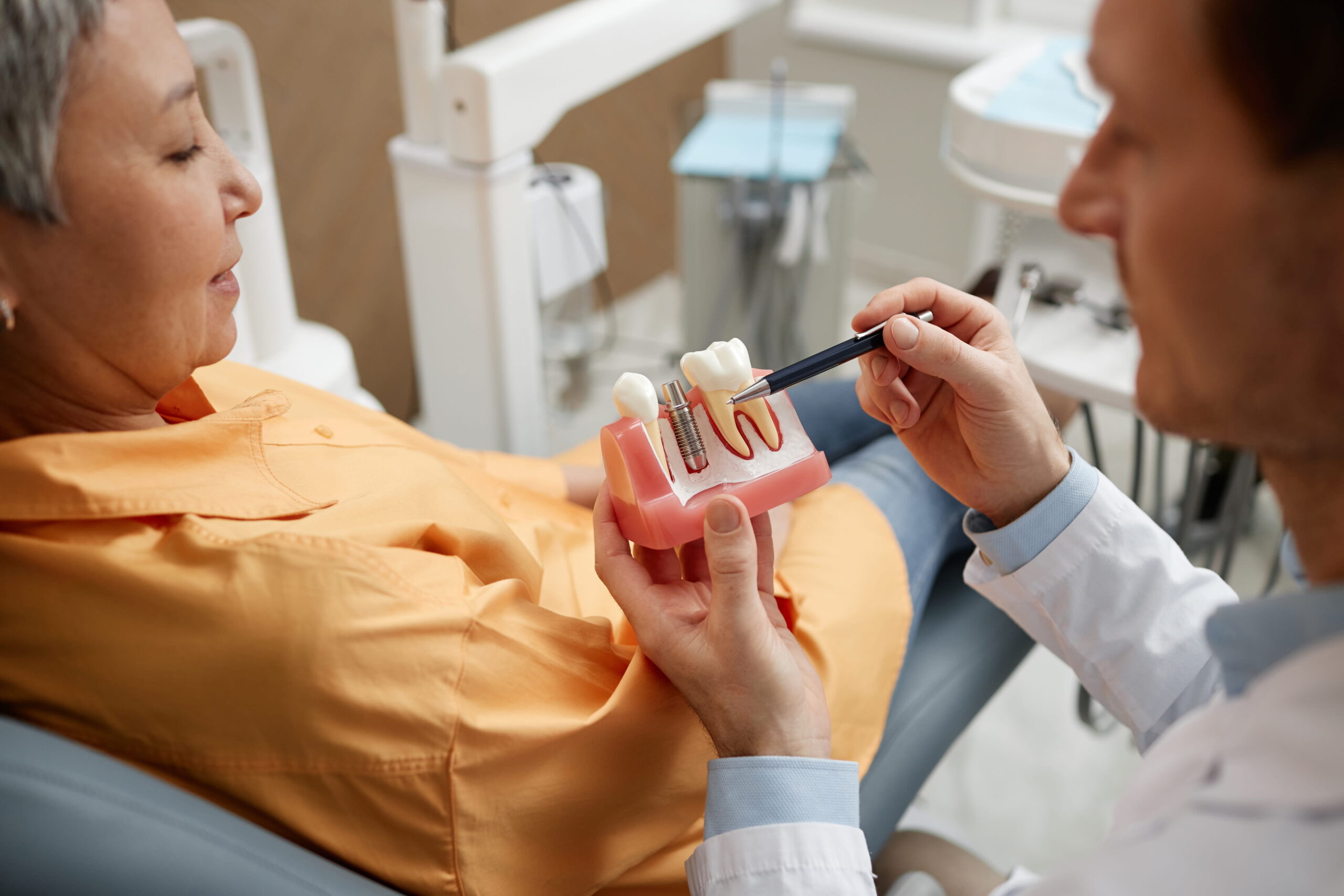
Losing a tooth changes more than your smile. It affects how you chew, how you speak, and often how confident you feel day to day. If you’ve been researching dental implants in Beaverton, OR, you’re probably wondering what the procedure actually involves, how long it takes, and whether the cost is worth it. This guide answers those questions honestly, no fluff, no overselling — so you can make an informed decision about your oral health.
What Is a Dental Implant — and Why Does It Matter?
A dental implant is a titanium post placed surgically into the jawbone to serve as an artificial tooth root. Once it integrates with the bone through a process called osseointegration, a custom-made crown is attached on top, creating a replacement tooth that looks, feels, and functions very much like a natural one.
Unlike removable dentures or dental bridges, implants are anchored directly in the jaw. This means they don’t slip, don’t require adhesives, and — critically — help preserve jawbone density. When a tooth is lost, the surrounding bone begins to resorb over time. An implant is the only tooth replacement option that actively counters this process.
Common reasons patients at Murray Scholls Family Dental pursue implants include:
- A single missing tooth due to decay, trauma, or extraction
- Loose or uncomfortable dentures that affect eating and speech
- A failed dental bridge
- A damaged tooth that can no longer be saved
Am I a Good Candidate for Dental Implants?
Not everyone is immediately ready for an implant, and that’s okay. Good candidates typically have:
- Adequate jawbone density to support the implant post
- Healthy gum tissue, free of active periodontal disease
- Good overall health, since the procedure involves oral surgery
- Non-smoking status or willingness to quit, as tobacco significantly impairs healing
Age alone is rarely a disqualifier. Bone loss, uncontrolled diabetes, certain medications, or active gum disease may require treatment before implant placement can proceed. A thorough evaluation at the practice, including X-rays and a review of your dental and medical history — is the only way to know for certain.
Not sure if you’re ready? The team at Murray Scholls Family Dental offers a dedicated resource to help you think it through: find out if dental implants are right for you.
The Dental Implant Process: Step by Step
Understanding the timeline helps set realistic expectations. Here’s how the process typically unfolds:
Step 1 — Consultation and Treatment Planning Your dentist will take digital X-rays or a 3D cone beam scan to evaluate bone volume and jaw anatomy. This appointment maps out exactly where the implant will be placed and identifies any preparatory steps needed (such as a bone graft or tooth extraction).
Step 2 — Implant Placement The titanium post is placed into the jawbone under local anesthesia. Most patients report that the procedure itself is more comfortable than they anticipated. Some mild soreness and swelling in the days following is normal.
Step 3 — Osseointegration (Healing Phase) This is the waiting period — typically three to six months — during which the implant fuses with the surrounding bone tissue. This phase is what gives implants their long-term stability. You’ll have a temporary restoration during this time.
Step 4 — Abutment Placement Once healing is confirmed, a small connector piece (the abutment) is attached to the implant. This serves as the base for your final crown.
Step 5 — Crown Placement A custom-fabricated crown — matched to the shade and shape of your surrounding teeth — is secured onto the abutment. At this point, the restoration is complete.
The full process from placement to final crown typically spans four to eight months, though timelines vary depending on individual healing and whether preparatory procedures are needed.
Curious whether there’s a faster option? Learn more about whether dental implants can be done in a day and whether that approach might apply to your situation.
How Much Do Dental Implants Cost in Beaverton, OR?
Cost is one of the most common concerns patients bring up — understandably so. A single dental implant in the Beaverton area typically ranges from $3,000 to $5,000, depending on several factors:
- Whether bone grafting or a tooth extraction is needed beforehand
- The type and material of the crown (porcelain, zirconia, etc.)
- The complexity of your individual case
Dental implants represent a significant upfront investment compared to bridges or partial dentures. However, with proper care, implants are designed to last decades — often a lifetime — which makes them cost-effective over the long term.
Many dental practices, including Murray Scholls Family Dental, can walk you through financing options and insurance coverage during your consultation. Some dental plans provide partial coverage for implant components, particularly the crown.
Life After Your Implant: What to Expect
Recovery from implant surgery is manageable for most patients. In the first few days, expect some swelling, mild discomfort, and sensitivity around the surgical site. Over-the-counter pain relievers and ice packs are typically sufficient. Most patients return to work within a day or two.
Long-term, dental implant care mirrors what you’d do for natural teeth:
- Brush twice daily with a soft-bristled toothbrush
- Floss daily, using implant-specific floss or a water flosser around the base
- Attend regular dental checkups and professional cleanings
- Avoid habits that can damage crowns, such as chewing ice or hard candies
With proper maintenance, implants have a high long-term success rate and rarely require replacement.
Why Patients in Beaverton Trust Murray Scholls Family Dental
At Murray Scholls Family Dental, Dr. Scott R. Walker and Dr. Nicolas T. Maxim provide comprehensive dental care in a practice known for its warm, welcoming approach. Located at 14845 SW Murray Scholls Drive, Suite 113, the office serves families across Beaverton and the surrounding Washington County communities.
Patients consistently describe feeling like they’re treated as individuals — not just appointments. The practice is equipped with modern diagnostic technology and offers extended hours Monday through Thursday, starting at 7:00 AM, to accommodate busy schedules.
If you’re ready to explore your options, the full details on their implant services are available on the dental implants page at Murray Scholls Family Dental.
FAQs About Dental Implants in Beaverton, OR
Q: How long does a dental implant last?
With proper oral hygiene and regular dental care, a dental implant can last 15 to 25 years — and in many cases, a lifetime. The titanium post itself is highly durable; the crown may need replacement after 10–15 years due to normal wear.
Q: Does getting a dental implant hurt?
The implant is placed under local anesthesia, so you shouldn’t feel pain during the procedure. Afterward, mild soreness and swelling are common for a few days and are typically managed well with over-the-counter pain relievers.
Q: Can I get a dental implant if I have bone loss in my jaw?
Possibly, yes. Many patients with some degree of bone loss are still candidates after a bone grafting procedure, which rebuilds the jawbone to support the implant. Your dentist will determine this during the evaluation.
Q: Is there an age requirement for dental implants?
Implants are generally recommended only after the jawbone has fully developed, which typically occurs in the late teens or early twenties. There is no upper age limit — adults in their 70s and 80s successfully receive implants.
Q: Does dental insurance cover dental implants?
Coverage varies by plan. Some insurance policies cover the crown portion but not the implant post itself. It’s worth contacting your insurance provider and asking the dental office to verify your benefits before treatment begins.
Recent Posts

August 18, 2026
Can Veneers Fix Gapped or Uneven Teeth?

August 13, 2026
Can Veneers Stain? What to Know About Coffee, Tea, and Wine

August 6, 2026
Best Dentist for Kids Near Beaverton, OR: What to Look For

July 29, 2026
7 Signs You Need a Dental Implant (And What to Do Next)
July 21, 2026