503-590-7574

Blog
Why Wearing Your Retainer Matters After Invisalign
August 25, 2026
Invisalign
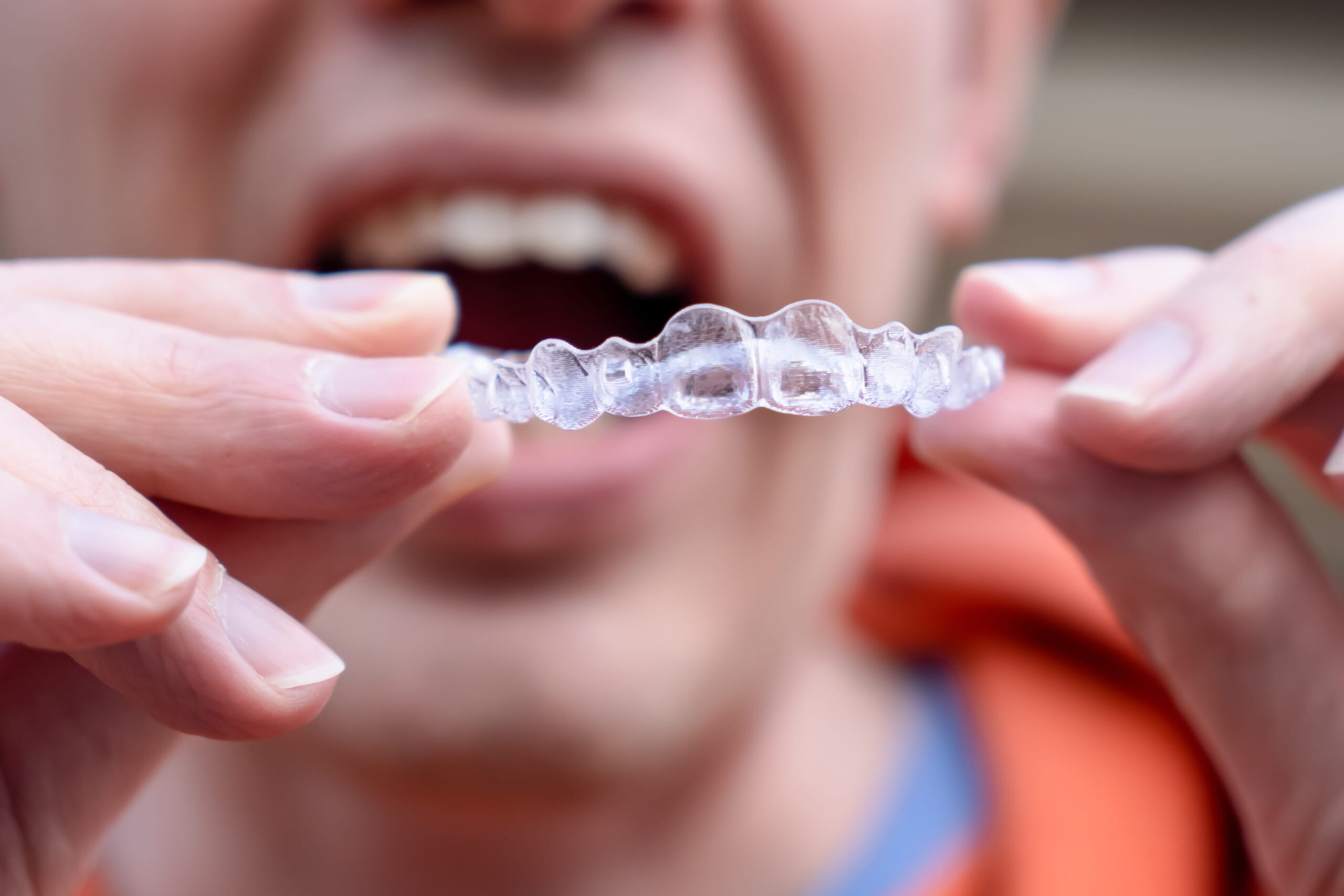
Finishing Invisalign can feel like the finish line—but your orthodontic journey is not quite over. The next step is retention: keeping your teeth in their new positions so you can enjoy your results for years to come. If you’re looking for a trusted dentist in Beaverton, Murray Scholls Family Dental can help you understand the retention phase and protect the smile you worked hard to create. Learn more about our Invisalign treatment in Beaverton and what comes after clear aligner treatment.
Quick Answer: Wearing your retainer after Invisalign helps prevent your teeth from shifting back toward their previous positions. Teeth naturally move throughout life, and the bone and tissues surrounding newly aligned teeth need time to adapt. Consistent retainer wear helps maintain your alignment, bite, and investment in your Invisalign results.
Why Do You Need a Retainer After Invisalign?
Invisalign uses a series of clear aligners to gradually move teeth into planned positions. Once active treatment ends, however, your teeth are not permanently locked in place.
The tissues and bone surrounding your teeth have to adapt to their new alignment. At the same time, normal forces from chewing, facial muscles, aging, and everyday habits can contribute to tooth movement. The American Association of Orthodontists (AAO) explains that teeth can continue to move throughout life, which is why retention is an important part of orthodontic treatment—not an optional extra.
Think of Invisalign as the process that creates your new smile and the retainer as the appliance that helps maintain it.
Without consistent retention, teeth can gradually rotate, crowd, develop spaces, or change their relationship to one another. In some cases, significant movement may require additional orthodontic treatment.
What Happens If You Stop Wearing Your Retainer?
One of the most common questions after Invisalign is, “What happens if I don’t wear my retainer?”
The simple answer is that your teeth may shift.
Some people notice changes relatively quickly, while others may not see obvious movement for months or years. The degree of movement varies from person to person and depends on factors such as your original alignment, the movements corrected during treatment, age, and your individual biology.
A retainer does not necessarily mean your teeth will remain perfectly unchanged forever. Instead, it provides ongoing support against the natural tendency for teeth to move.
That distinction is important. Orthodontic retention is about maintaining your treatment result, not simply completing Invisalign and forgetting about your teeth.
How Long Should You Wear Your Retainer After Invisalign?
There isn’t one universal retainer schedule that applies to every patient.
Your dental or orthodontic provider should determine how long you need to wear your retainer and whether you should wear it full-time initially or transition to nighttime use. The AAO notes that many patients wear retainers more frequently soon after active treatment and later transition to nighttime wear, with long-term retention often recommended.
In other words, don’t assume that you can stop wearing your retainer simply because your Invisalign treatment is finished.
A 2023 Cochrane review included 47 studies involving 4,377 participants evaluating different orthodontic retention strategies. The researchers found that the available evidence was generally low or very low certainty and that there isn’t enough evidence to identify one universally superior retention approach.
That’s why individualized professional guidance matters. Your recommended schedule should be based on your teeth, treatment history, retainer type, and long-term stability goals.
What Types of Retainers Are Available?
After Invisalign, your provider may recommend a removable retainer, a fixed retainer, or—in some cases—a combination.
Removable Retainers
Clear removable retainers are designed to fit over your teeth and maintain their alignment. They’re convenient because you can remove them for eating, brushing, flossing, and cleaning.
The biggest challenge is also their biggest advantage: compliance. Because you can remove them, remembering to wear them consistently is essential.
Fixed or Bonded Retainers
A fixed retainer consists of a thin wire bonded to the back surfaces of selected teeth. It stays in place continuously and doesn’t depend on remembering to insert it each night.
However, fixed retainers require careful cleaning and periodic evaluation. If the bonding becomes loose or the wire breaks, your dental team should be notified.
Research has found that no retention system guarantees perfect stability, reinforcing the importance of professional monitoring and good long-term retention habits.
How to Take Care of Your Invisalign Retainer
A retainer works best when it’s clean, intact, and worn according to instructions.
Follow these practical habits:
- Rinse your removable retainer with cool or lukewarm water after removing it.
- Clean it regularly using a gentle method recommended by your dental provider.
- Avoid exposing the retainer to excessive heat, which can distort its shape.
- Keep it in its protective case when you’re not wearing it.
- Keep pets away from the case—retainers are surprisingly tempting chew toys.
- Bring your retainer to dental appointments when requested.
- Replace it when it becomes damaged, distorted, excessively worn, or no longer fits properly.
The AAO also emphasizes proper retainer cleaning because buildup of plaque and debris can contribute to odor, staining, and oral-health concerns.
For broader preventive care, you can also review Murray Scholls Family Dental’s preventive dentistry services.
What If Your Retainer No Longer Fits?
Don’t force a retainer that feels painful or cannot seat properly.
A retainer that suddenly feels unusually tight may be a sign that your teeth have shifted. The AAO recommends contacting your orthodontic provider rather than forcing an uncomfortable appliance. Depending on the amount of movement, you may need a replacement retainer or additional aligner treatment.
If you’ve stopped wearing your retainer for several weeks or months, schedule an evaluation before simply trying to resume wear. Acting early may help prevent minor tooth movement from becoming a larger orthodontic problem.
Retainers Protect More Than Your Smile
Wearing a retainer is not just about keeping your teeth looking straight.
Stable tooth alignment can help preserve the bite relationship created during treatment. Keeping teeth properly positioned can also make it easier to maintain consistent brushing and flossing in areas that were previously crowded.
Most importantly, retention helps protect the time, effort, and financial investment you’ve already made in improving your smile.
For patients in Beaverton and surrounding communities, maintaining that result is an important part of comprehensive dental care—not an afterthought once the aligners come off.
The Bottom Line: Invisalign Is Only Part of the Journey
Your Invisalign treatment may have ended, but maintaining your results is an ongoing process. Teeth naturally move, and retainers provide the support needed to help keep them aligned.
Follow your provider’s retainer instructions, keep the appliance clean, store it safely, and don’t ignore changes in fit. If your retainer is lost, damaged, uncomfortable, or no longer fits, contact your dental team promptly.
If you’re already an Invisalign patient—or you’re considering clear aligner treatment—a conversation with an experienced dental team can help you understand what retention will look like before, during, and after treatment.
Your Invisalign results deserve long-term care. If you’re in Beaverton and have questions about retainer wear, tooth movement, or maintaining your clear-aligner results, visit Murray Scholls Family Dental, we are here to help.
Schedule an appointment with our dental team to discuss your retainer, evaluate your alignment, and develop a personalized plan for maintaining your smile.
FAQ
1. Do I really need to wear a retainer after Invisalign?
Yes. Retainers help prevent teeth from shifting after active Invisalign treatment. Because tooth movement can continue throughout life, long-term retention is generally necessary to maintain orthodontic results.
2. How long do I need to wear my retainer after Invisalign?
The schedule varies by patient. Your provider may initially recommend more frequent wear before transitioning to nighttime use. Long-term retention is commonly recommended because teeth can shift over time.
3. Can teeth move if I stop wearing my Invisalign retainer?
Yes. Without retention, teeth may gradually move toward their previous positions. How quickly and how much they shift differs between individuals.
4. What should I do if my retainer doesn’t fit anymore?
Don’t force it if it is painful or will not seat properly. Contact your dental or orthodontic provider. You may need a replacement retainer or additional aligner treatment depending on how much your teeth have moved.
5. Can I wear my retainer only at night?
Many patients eventually transition to nighttime retainer wear, but the appropriate schedule depends on your treatment and provider’s instructions. Don’t change your wear schedule without professional guidance.
6. How should I clean my Invisalign retainer?
Clean removable retainers regularly using a gentle method recommended by your dental provider, rinse them thoroughly, and store them in a protective case when not in use. Avoid excessive heat, which can damage their shape.
Recent Posts
October 27, 2026
Immediate Implants After Tooth Extraction: Can You Get One the Same Day?

October 22, 2026
Crown or Filling Fell Out? What to Do Before Your Dentist Visit

October 14, 2026
How Does Diabetes Change What Happens at Your Dental Visits?
October 12, 2026
Your Cosmetic Dental Results: How Long They Really Last

October 7, 2026