503-590-7574

Blog
Immediate Implants After Tooth Extraction: Can You Get One the Same Day?
October 27, 2026
Dental Implants
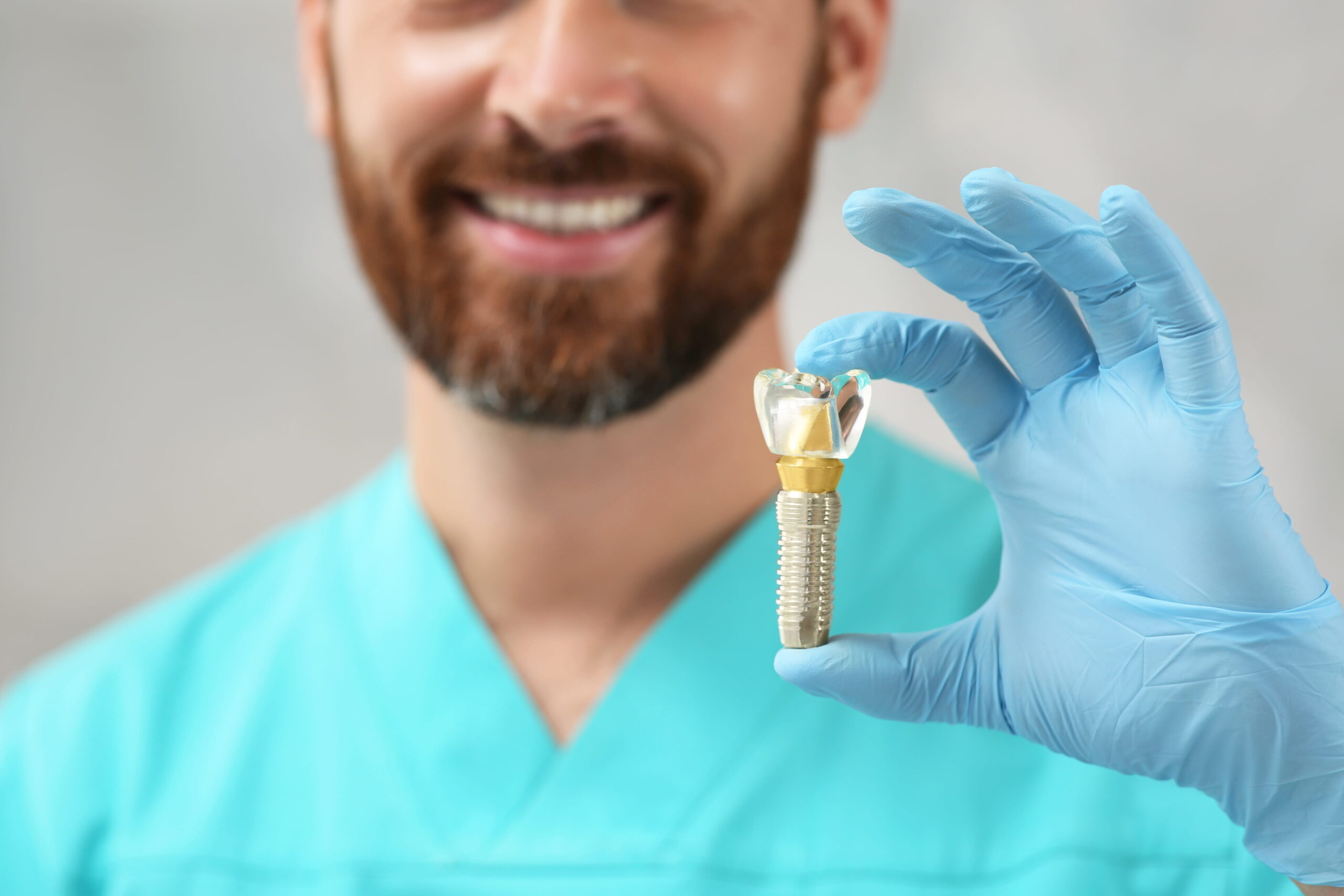
A dental implant can sometimes be placed immediately after a tooth is removed, but same-day placement depends on bone quality, gum health, and the condition of the extraction site. At Murray Scholls Family Dental’s dental implant service, patients in Beaverton, Oregon, can learn about implant treatment and the evaluation needed to determine suitable timing. Implants after tooth extraction may be placed during the same appointment when clinical conditions support safe, stable placement. Immediate placement does not always mean receiving a permanent tooth on the same day.
Can you get a dental implant the same day as a tooth extraction?
Yes, a dentist may place a dental implant immediately after extraction during the same surgical appointment if the bone and surrounding tissues provide adequate support. This approach is called immediate implant placement.
During this procedure, the dentist removes the damaged tooth and places a titanium implant post into the extraction socket. The implant acts as an artificial tooth root and eventually supports a dental crown.
However, immediate placement is not appropriate for every patient. The dentist must determine whether the implant can achieve primary stability, meaning it remains securely anchored in the jawbone at placement.
It is also important to distinguish implant placement from immediate restoration. A temporary crown may be attached during the same visit in selected cases. The permanent crown usually requires additional healing time while the implant integrates with the bone.
Who qualifies for immediate implants after tooth extraction?
Patients with adequate jawbone, healthy supporting tissues, and an extraction site suitable for stable implant placement may qualify for immediate treatment. A clinical examination and appropriate imaging are necessary to establish eligibility.
Your dentist will assess several factors before recommending same-day placement:
- Bone volume: Sufficient bone must be available to anchor the implant securely.
- Socket integrity: The bone surrounding the extracted tooth must provide suitable support.
- Infection status: Active infection at the site can make immediate placement unsuitable.
- Gum condition: The thickness and health of the surrounding soft tissue affect healing and the appearance of the final restoration.
- Medical history: Conditions such as uncontrolled diabetes and habits such as smoking may affect healing and require additional planning.
A three-dimensional scan, such as cone-beam computed tomography (CBCT), may help assess bone dimensions and nearby anatomical structures. Murray Scholls Family Dental describes using 3D imaging during implant planning to evaluate bone health.
Meeting these criteria does not guarantee immediate placement. Your dentist must evaluate the complete clinical picture before selecting a treatment timeline.
When should you wait before placing a dental implant?
Delayed implant placement is appropriate when the extraction site needs to heal, infection requires treatment, or the available bone cannot provide adequate initial stability. Waiting allows the dentist to address these issues before implant surgery.
Your treatment may follow one of three general timelines:
| Implant timing | Typical approach |
|---|---|
| Immediate | Place the implant during the extraction appointment. |
| Early | Place the implant after initial soft-tissue healing or partial bone healing. |
| Delayed | Place the implant after more extensive healing of the extraction site. |
Early placement may occur after approximately 4–8 weeks of soft-tissue healing or 12–16 weeks of partial bone healing, depending on the clinical protocol. Delayed placement may occur after more than six months. These are recognized timing categories, not mandatory waiting periods for every patient.
If the extraction site lacks sufficient bone, your dentist may recommend a bone graft. Read the practice’s guide to bone grafting for dental implants to understand when additional bone support may be necessary.
Can you get a temporary tooth on the same day as implant surgery?
Some patients can receive a temporary crown on the day of implant placement, but the temporary restoration may need to remain out of contact with the opposing teeth. This protects the implant from excessive biting forces during early healing.
Immediate restoration is a separate decision from immediate implant placement. A dentist may place the implant on extraction day but recommend waiting before attaching a crown.
The choice depends on implant stability, bite forces, the tooth’s location, and the patient’s healing requirements. A temporary crown may help maintain appearance, particularly when replacing a visible front tooth.
The permanent crown is generally fitted after sufficient integration between the implant and jawbone. This process, called osseointegration, commonly takes several months. The exact timeline varies with bone quality, implant stability, and individual healing.
Patients should not assume that receiving a temporary crown means the implant is ready for normal chewing. Follow the dentist’s instructions about food texture and pressure on the treated area.
What is recovery like after immediate implant placement?
Initial healing usually takes several days to a couple of weeks, while complete implant integration takes several months. Recovery depends on the extent of surgery, bone condition, and individual healing.
After surgery, follow your dentist’s instructions for oral hygiene, diet, activity, and medication. Common recommendations include:
- Eat soft foods, such as yogurt, eggs, and mashed potatoes, during the initial recovery period.
- Avoid chewing directly on the implant site unless your dentist permits it.
- Clean your mouth carefully and follow instructions for brushing near the surgical area.
- Avoid smoking because it can impair healing and increase the risk of implant complications.
- Attend scheduled follow-up visits so your dentist can assess healing and implant stability.
Mild swelling, tenderness, and limited bleeding can occur after oral surgery. Contact your dental office if symptoms worsen or do not improve as expected. Seek urgent medical attention for difficulty breathing or swallowing or rapidly increasing facial swelling.
For a more detailed overview, read the practice’s guide to the dental implant process, step by step.
What are the risks of getting an implant immediately after extraction?
Immediate implant placement carries risks such as implant failure, infection, gum recession, and bone loss around the implant. Appropriate patient selection and careful surgical planning help manage these risks.
The extraction socket changes as the surrounding bone heals. Placing an implant immediately does not eliminate this natural remodeling. Some patients may need bone grafting or soft-tissue augmentation to support the final result.
Immediate placement can also be technically demanding because the shape of the extraction socket does not always match the shape and position required for the implant. If the implant cannot achieve adequate stability in the correct position, delayed placement may be safer.
Discuss your medical history, smoking habits, medications, and expectations with your dentist before surgery. The recommended approach should prioritize long-term stability rather than same-day placement alone.
How much do immediate dental implants cost?
The cost depends on whether treatment includes extraction, implant placement, bone grafting, and a temporary or permanent crown. Your dentist must assess the site and proposed treatment before providing an individualized estimate.
Ask for an itemized treatment plan that identifies surgical fees, imaging, grafting when necessary, the implant post, and the final restoration. Dental insurance benefits vary by plan, so confirm coverage and out-of-pocket costs with your insurer.
If you are considering dental implants in Beaverton, OR, visit Murray Scholls Family Dental we can discuss your treatment options and the assessments needed to plan your care. Visit the contact page to request an appointment.
FAQs
Can a dental implant be placed immediately after extraction?
Yes, an implant can be placed during the extraction appointment when bone quality, tissue health, and implant stability support immediate placement.
How long does a dental implant take to heal after extraction?
Initial healing occurs over the first few weeks, while osseointegration generally takes several months, depending on the patient’s condition and treatment plan.
Is immediate implant placement better than delayed placement?
Neither approach is universally better; the appropriate timing depends on bone availability, infection status, tissue health, and the ability to achieve primary stability.
Can you get a permanent crown on the same day as an implant?
Some patients receive an immediate temporary restoration, but the permanent crown is generally placed after adequate implant integration and clinical assessment.
Does everyone need a bone graft before an immediate implant?
No, bone grafting is not necessary in every case, but it may be recommended when the extraction site lacks sufficient bone or requires additional support.
Recent Posts
October 27, 2026
Immediate Implants After Tooth Extraction: Can You Get One the Same Day?

October 22, 2026
Crown or Filling Fell Out? What to Do Before Your Dentist Visit

October 14, 2026
How Does Diabetes Change What Happens at Your Dental Visits?
October 12, 2026
Your Cosmetic Dental Results: How Long They Really Last

October 7, 2026