503-590-7574

Blog
Maintaining Your Restorative Dentistry: Tips For Proper Oral Hygiene
May 16, 2023
Restorative Dentistry
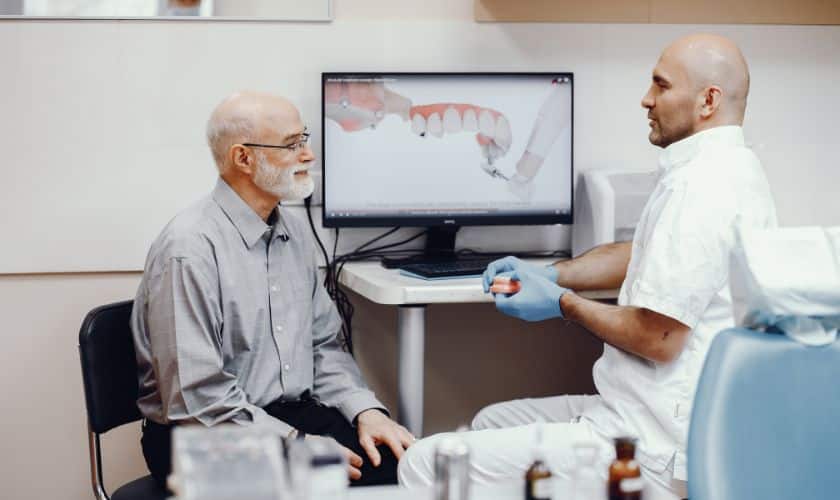
Maintaining your restorative dentistry is essential to ensure that your smile lasts a lifetime. Proper oral hygiene can help prevent decay and gum disease, leading to healthy teeth and gums. But what exactly is restorative dentistry, and how can you keep up with it? In this blog post, we’ll explore the different types of restorative dentistry procedures, and provide tips on how to maintain proper oral hygiene for a radiant smile. So sit back, relax, grab your toothbrush, and let’s get started!
What is Restorative Dentistry?
Restorative dentistry refers to the branch of dentistry that focuses on restoring the function and appearance of damaged or missing teeth. It involves a variety of procedures, from fillings and crowns to implants and bridges.
One common type of restorative dentistry is dental fillings. This procedure involves removing decayed tooth material and filling the cavity with a durable substance like composite resin or amalgam. Fillings help prevent further decay by sealing off the affected area from bacteria.
Another type of restorative dentistry is root canal therapy. This treatment is necessary when an infection has developed inside a tooth, causing pain and swelling. The infected tissue is removed, and the tooth is filled with a special material to restore its strength.
Dental crowns are another popular form of restorative dentistry. These are custom-fitted caps that cover damaged or weakened teeth to protect them from further damage while improving their appearance.
Other types of restorative dentistry include bridges, which replace missing teeth by attaching artificial teeth to surrounding natural ones, as well as dental implants for patients who have lost one or more teeth due to injury or disease.
Restorative dentistry provides patients with options for repairing damaged teeth and restoring their confidence in their smile’s appearance.
The Different Types of Restorative Dentistry
Restorative dentistry is a branch of dentistry that focuses on restoring the function and appearance of teeth that have been damaged or lost. There are different types of restorative dentistry procedures, each with its unique benefits.
Dental implants are one form of restorative dentistry used to replace missing teeth. They are surgically placed into the jawbone where they fuse with the bone over time, making them durable and long-lasting.
Crowns and bridges are another type of restorative procedure used to restore decayed or broken teeth. Crowns cover individual damaged teeth while bridges use adjacent teeth as anchors for prosthetic replacements.
Dentures are also a common replacement option for people who have lost multiple or all their natural teeth. Dentists may recommend partial or complete sets depending on the patient’s needs.
Root canal treatment is yet another category in restorative dentistry that can save an infected tooth from extraction by removing diseased tissue from inside it.
These various options allow patients to choose what suits their specific oral conditions best, but proper maintenance will help prolong their lifespan and prevent further damage.
How to Maintain Proper Oral Hygiene
Proper oral hygiene is essential to maintain healthy teeth and gums. This is especially important if you have restorative dentistry such as dental implants, bridges, or crowns. Here are some tips on how to maintain proper oral hygiene:
1. Brush your teeth twice a day: Use a soft-bristled toothbrush and fluoride toothpaste to brush your teeth for two minutes each time.
2. Floss regularly: Flossing helps remove food particles and plaque from between your teeth which the toothbrush can’t reach.
3. Use mouthwash: Swishing with an antiseptic mouthwash can help kill bacteria that cause bad breath and gum disease.
4. Avoid sugary foods: Sugary foods increase the risk of cavities by feeding harmful bacteria in your mouth.
5. Visit your dentist regularly: Regular dental check-ups can help detect problems early before they become more serious issues.
In addition, it’s important to take care of any restorative dentistry properly. For example, follow specific instructions given by your dentist on caring for dental implants or bridges.
Maintaining proper oral hygiene takes effort but the benefits of a healthy smile are worth it!
Summary
To keep your restorative dentistry in top condition, it’s essential to maintain proper oral hygiene. This includes brushing and flossing regularly, visiting the dentist for routine checkups and cleanings, avoiding certain foods and drinks that can damage your teeth, and using mouthwash when necessary.
Different types of restorative dentistry procedures require different levels of maintenance. Dental implants require more attention than dental fillings or crowns because they involve surgically implanted material. However, with proper care and maintenance techniques from a dental professional, you can ensure that your restorations last for many years.
Remember to always seek advice from a qualified dentist if you have any concerns about maintaining your oral health or restoring damaged teeth. Your smile is an investment worth protecting!
Recent Posts

August 18, 2026
Can Veneers Fix Gapped or Uneven Teeth?

August 13, 2026
Can Veneers Stain? What to Know About Coffee, Tea, and Wine

August 6, 2026
Best Dentist for Kids Near Beaverton, OR: What to Look For

July 29, 2026
7 Signs You Need a Dental Implant (And What to Do Next)

July 21, 2026