503-590-7574

Blog
Understanding The Importance Of Dental Crowns In Restoring And Safeguarding Your Dental Health
November 7, 2023
Restorative Dentistry
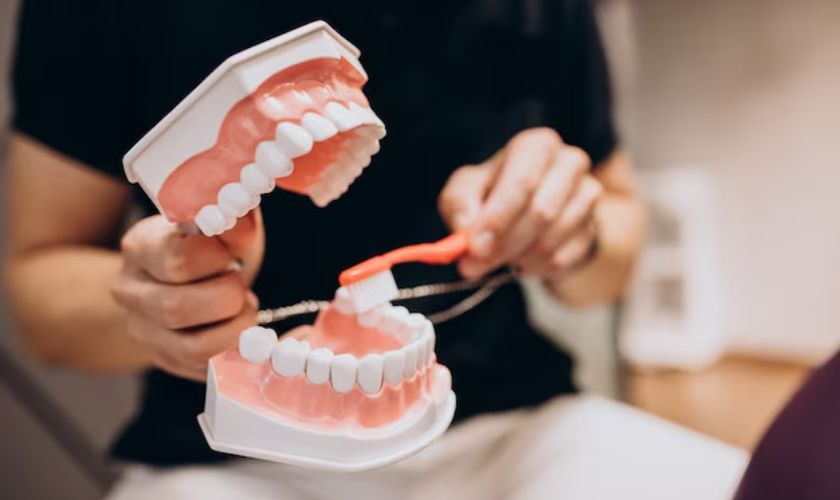
Everyone wants to have a confident, healthy smile. Our teeth play a vital role in not only our overall appearance but also our ability to speak and eat properly. Unfortunately, dental issues can arise, leading to the need for restorative procedures. One such procedure that can be a game-changer in restoring and safeguarding your dental health is the dental crown. In this blog, we will explore the importance of dental crowns and how they can help you maintain a beautiful and functional smile.
What Are Dental Crowns?
Dental crowns, also known as dental caps, are custom-made coverings that are placed over a tooth to restore its shape, size, strength, and appearance. These crowns are typically fabricated from various materials, including porcelain, metal, or a combination of both, to mimic the appearance and function of a natural tooth. They are cemented onto an existing tooth or dental implant, essentially serving as a protective and aesthetic shell.
Restoring Damaged Teeth
One of the primary purposes of dental crowns is to restore damaged teeth. Teeth can become damaged due to various reasons, such as decay, fractures, or wear and tear over time. In such cases, a dental crown can provide a durable and aesthetically pleasing solution.
When a tooth is extensively damaged and a simple filling won’t suffice, a dental crown is often the best option. The crown covers the entire tooth, providing reinforcement and protection against further damage. This restoration process can save a tooth that might otherwise require extraction.
Protecting Weakened Teeth
Teeth can become weakened for several reasons, including large fillings, root canal therapy, or natural wear and tear. In these situations, dental crowns are essential for preserving the tooth’s strength and function. The crown acts as a shield, preventing the tooth from breaking or fracturing, which can be painful and lead to more extensive dental work.
By protecting weakened teeth, dental crowns play a critical role in maintaining your oral health and preventing more significant dental problems in the future. Without this protection, you might find yourself dealing with costly and invasive procedures down the road.
Enhancing Aesthetics
While the functional aspects of dental crowns are crucial, they also offer significant aesthetic benefits. Crowns are designed to match the color, shape, and size of your natural teeth, ensuring that they blend seamlessly with your smile. This is particularly important when dealing with front teeth, where appearance matters most.
Dental crowns can be a boon for individuals with stained, discolored, or misshapen teeth. They can instantly transform the appearance of your smile, boosting your self-confidence and allowing you to smile without reservation.
Improving Tooth Alignment
In addition to improving aesthetics, dental crowns can also help correct minor issues with tooth alignment. If you have gaps or misalignments in your teeth, crowns can be used to reshape and realign them, giving you a more even and harmonious smile. While they are not a substitute for orthodontic treatments in cases of severe misalignment, dental crowns can be a less invasive option for minor adjustments.
Longevity And Durability
Dental crowns have a reputation for being strong and long-lasting. When properly cared for, a well-fitted crown can last for many years, providing a reliable solution for damaged or weakened teeth. It’s essential to maintain good oral hygiene to ensure the longevity of your crown, as poor dental care can lead to complications.
Procedure And Aftercare
Getting a dental crown is a really simple procedure. Here’s what you can expect:
- Dental Examination: Your dentist will examine your tooth and assess whether a dental crown is the appropriate treatment. X-rays may be taken to evaluate the extent of the damage.
- Tooth Preparation: If a crown is deemed necessary, your dentist will prepare the tooth by removing any damaged or decayed portions. In some cases, a build-up may be required to provide a stable foundation for the crown.
- Impressions: Your dentist will take impressions of your tooth and the surrounding teeth to ensure the crown’s proper fit.
- Temporary Crown: While your permanent crown is being fabricated, a temporary crown may be placed to protect the prepared tooth.
- Crown Placement: Once your permanent crown is ready, it will be cemented onto your tooth, and any necessary adjustments will be made to ensure a comfortable fit.
After your dental crown is placed, it’s essential to maintain a good oral hygiene routine, including regular brushing and flossing, to prevent any issues with the crowned tooth. Additionally, avoid biting on hard objects or using your teeth for activities like opening packages to prevent damage to the crown.
Dental crowns are a versatile and crucial component of restorative dentistry. They offer a combination of functional and aesthetic benefits, making them an ideal solution for damaged or weakened teeth. By protecting and enhancing your teeth, dental crowns play a vital role in maintaining your oral health and ensuring you can smile confidently for years to come. If you have damaged or weakened teeth, consult with your dentist to determine if dental crowns are the right solution for you. Your smile will thank you for it.
Recent Posts

August 18, 2026
Can Veneers Fix Gapped or Uneven Teeth?

August 13, 2026
Can Veneers Stain? What to Know About Coffee, Tea, and Wine

August 6, 2026
Best Dentist for Kids Near Beaverton, OR: What to Look For

July 29, 2026
7 Signs You Need a Dental Implant (And What to Do Next)

July 21, 2026