503-590-7574

Blog
Effective Sleep Apnea Appliances For Restful Nights
November 21, 2023
Preventative Dentistry
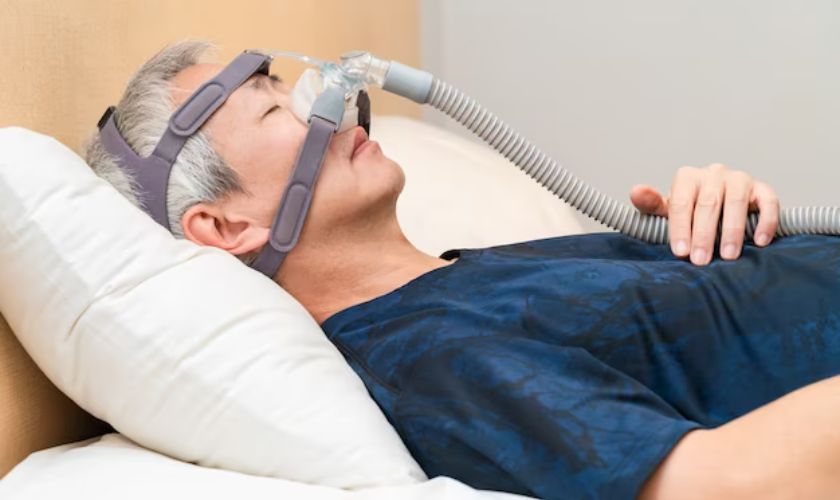
Quality sleep is the cornerstone of a healthy lifestyle, contributing to physical well-being, mental sharpness, and emotional balance. However, for those grappling with sleep apnea, a condition characterized by pauses in breathing during sleep, achieving restful nights can be a formidable challenge. Fortunately, advancements in medical technology have paved the way for effective sleep apnea appliances, offering a glimmer of hope for uninterrupted, peaceful slumber.
The Consequences Of Untreated Sleep Apnea
Left untreated, sleep apnea can lead to a myriad of health issues, including daytime fatigue, impaired cognitive function, cardiovascular problems, and an increased risk of accidents. Moreover, it can significantly diminish one’s overall quality of life. This underscores the importance of finding effective solutions to manage and alleviate the symptoms of sleep apnea.
Sleep Apnea Appliances: A Beacon Of Hope
For many individuals with sleep apnea, continuous positive airway pressure (CPAP) therapy has long been the go-to solution. However, the discomfort associated with wearing a CPAP mask has led to a growing interest in alternative sleep apnea appliances. Let’s look at some of the more effective alternatives:
Mandibular Advancement Devices (MADs)
MADs are oral appliances designed to reposition the lower jaw and tongue to keep the airway open during sleep. By preventing the collapse of soft tissues, MADs can effectively reduce snoring and alleviate mild to moderate OSA. These appliances are customized to fit the individual’s mouth, offering a comfortable and convenient alternative to CPAP therapy.
Tongue Retaining Devices (TRDs)
TRDs work by holding the tongue in a forward position, preventing it from collapsing backward and obstructing the airway. While not as commonly prescribed as MADs, TRDs can be effective for individuals with specific anatomical characteristics or those who find MADs uncomfortable.
Positional Therapy Devices
Some people have sleep apnea primarily when sleeping in specific positions, such as on their back. Positional therapy devices, such as special pillows or wearable devices, aim to encourage sleeping in a preferred position, reducing the likelihood of airway obstruction.
Adaptive Servo-Ventilation (ASV)
ASV devices are more advanced options, particularly beneficial for individuals with CSA or complex sleep apnea syndrome. These devices monitor breathing patterns and adjust air pressure levels in real-time to ensure consistent and adequate airflow, promoting a more natural breathing rhythm.
Choosing The Right Appliance
Selecting the most suitable sleep apnea appliance requires a comprehensive assessment by a healthcare professional. Factors such as the severity of sleep apnea, individual anatomy, and personal comfort preferences all play a crucial role in determining the most effective solution. It’s essential to undergo a thorough sleep study and consultation with a sleep specialist to tailor the treatment plan to individual needs.
Effective sleep apnea appliances of preventative dentistry have emerged as beacons of hope for those seeking respite from the disruptive effects of this common sleep disorder. As awareness grows and technology advances, individuals now have a range of options to choose from, each offering its unique benefits. Whether it’s the comfort of a customized MAD, the simplicity of a TRD, the positional guidance of specialized pillows, or the sophistication of ASV, finding the right sleep apnea appliance can unlock the door to restful nights and a healthier, more fulfilling life. If you or someone you know is struggling with sleep apnea, don’t hesitate to explore these innovative solutions and embark on a journey towards rejuvenating, uninterrupted sleep.
Recent Posts
April 29, 2026
Why You Should Tell Your Dentist if You Have Allergies
April 22, 2026
How Do I Care for Dental Implants After Surgery?
April 15, 2026
Battling Insecurity from Worn-Down Edges on My Teeth
April 6, 2026
What Your Tongue Says About Your Oral Health
March 30, 2026