503-590-7574

Blog
Invisalign vs. Traditional Braces: Weighing the Pros and Cons
January 4, 2024
Invisalign
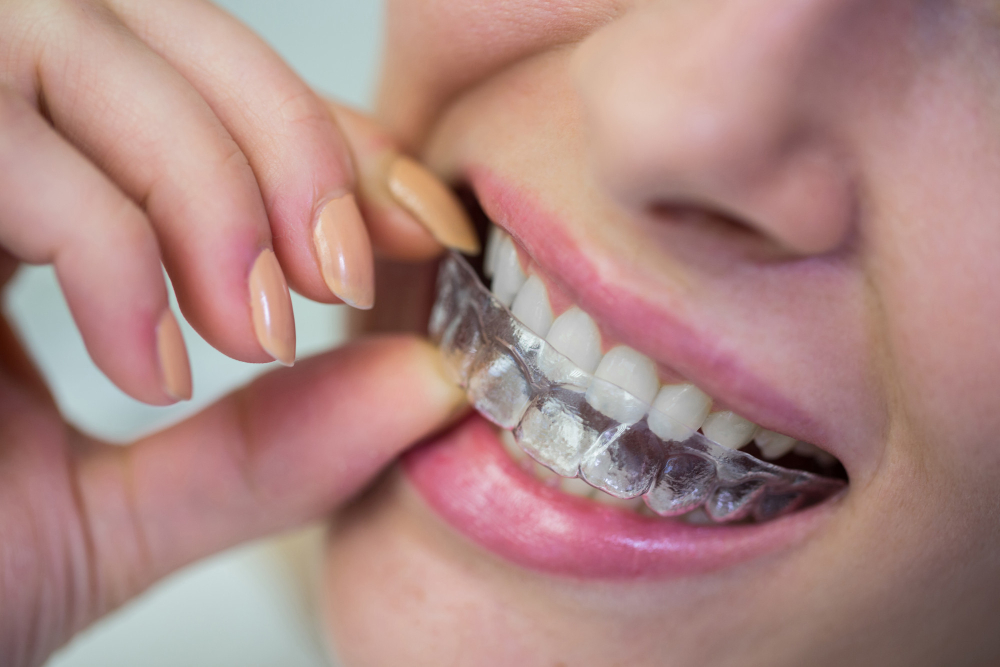
A straight, beautiful smile is often considered an asset, and for many, orthodontic treatment becomes a necessity. When it comes to achieving that perfect smile, individuals are presented with various options, the two most popular being Invisalign and traditional braces. In this blog, we’ll delve into the pros and cons of each to help you make an informed decision. If you’re considering invisalign in Beaverton, read on to discover which option might be the right fit for you.
Invisalign: The Ultimate Choice
Pros:
Invisibility: One of the most significant advantages of Invisalign is its nearly invisible appearance. The aligners are discreet, allowing users to straighten their teeth without drawing attention to their orthodontic treatment.
Removability: Invisalign aligners are removable, providing more flexibility in terms of eating and oral hygiene. You can enjoy your favorite foods without restrictions and maintain optimal oral health throughout the treatment.
Comfort: Invisalign aligners are made of smooth, comfortable plastic, reducing the likelihood of irritation and discomfort commonly associated with traditional braces.
Shorter Treatment Time: In certain cases, Invisalign may result in a shorter treatment time compared to traditional braces. The duration can vary, but many patients appreciate the potentially faster results.
Cons:
Compliance is Key: In order for Invisalign to be effective, users must wear the aligners for at least 22 hours a day. Compliance is crucial, and those who struggle to commit may not achieve the desired results.
Not Suitable for Severe Cases: Invisalign may not be the best option for individuals with severe orthodontic issues. Traditional braces may be more effective in addressing complex dental problems.
Traditional Braces: Tried and True
Pros:
Effectiveness: Traditional braces are highly effective for a wide range of orthodontic issues, including severe misalignments and complex bite problems. They are a tried-and-true method with a long history of successful outcomes.
No Compliance Concerns: Unlike Invisalign, traditional braces do not require the same level of patient compliance. Once they are placed on the teeth, they continuously work to correct misalignments without the need for removal.
Cost: In general, traditional braces tend to be more cost-effective than Invisalign. This can be a significant factor for those on a budget or without comprehensive dental insurance coverage.
Cons:
Visibility: The most obvious drawback of traditional braces is their visibility. The metal brackets and wires are conspicuous, which can be a concern for individuals who prefer a more discreet treatment option.
Oral Hygiene Challenges: Cleaning teeth with braces can be more challenging, as the brackets and wires create additional surfaces for plaque and food particles to accumulate. Extra care and attention are required to maintain good oral hygiene.
Conclusion:
Choosing between Invisalign and traditional braces ultimately depends on individual preferences, lifestyle, and the severity of orthodontic issues. If you’re considering Invisalign in Beaverton, consult with a qualified orthodontist to determine the best course of action for your specific needs. Both options offer distinct advantages, and the decision should be based on what aligns with your priorities and comfort level. Ultimately, the goal is the same – achieving a straight, healthy smile that boosts confidence and overall well-being.
Recent Posts
August 18, 2026
Can Veneers Fix Gapped or Uneven Teeth?

August 13, 2026
Can Veneers Stain? What to Know About Coffee, Tea, and Wine

August 6, 2026
Best Dentist for Kids Near Beaverton, OR: What to Look For

July 29, 2026
7 Signs You Need a Dental Implant (And What to Do Next)
July 21, 2026