503-590-7574

Blog
How Does Teeth Whitening Work?
March 14, 2024
Teeth Whitening
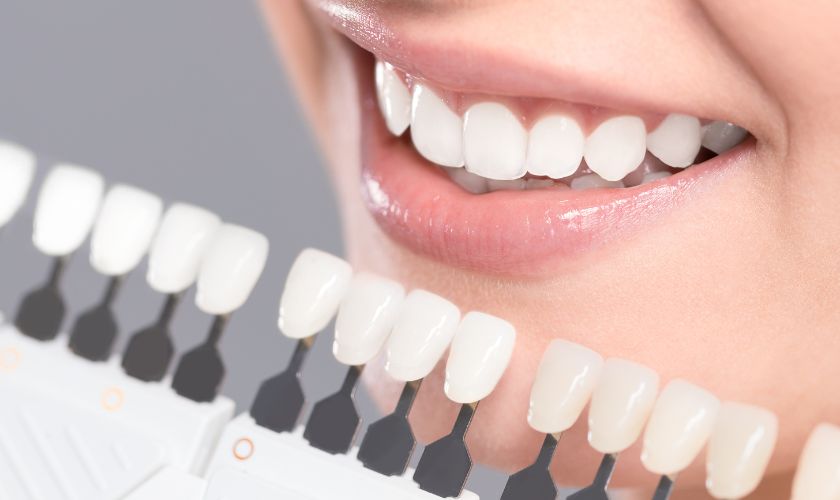
Do you want your smile to be more confident and brighter? Teeth whitening is a popular cosmetic dental procedure that can effectively remove stains and discoloration from your teeth. But how exactly does it work? In this blog post, we’ll delve into the science behind teeth whitening, explore different whitening options, and answer some frequently asked questions.
What Causes Teeth Stains?
Before we dive into whitening solutions, let’s understand the culprits behind teeth stains. Discoloration can result from a number of circumstances, including:
- Diet: Consuming dark-colored beverages like coffee, tea, red wine, and soda can stain teeth over time.
- Smoking: Tobacco use is a major cause of teeth stains. Tar and nicotine from cigarettes and cigars leave behind stubborn yellowing.
- Medications: Certain medications, such as tetracycline antibiotics, can cause tooth discoloration, especially when taken during childhood.
- Aging: As we age, the enamel on our teeth naturally thins, allowing the dentin underneath to show through. Dentin is a yellowish tissue, which contributes to a less white appearance.
How Does Teeth Whitening Work?
Teeth whitening products use bleaching agents to break down stain molecules on the surface of your teeth. The most common bleaching agent is hydrogen peroxide, which works by releasing oxygen molecules that break apart stain pigments.
Types of Teeth Whitening Treatments
There are several teeth whitening options available, each with its own advantages and disadvantages. Here’s a quick overview:
- Over-the-counter (OTC) whitening products: These are readily available at drugstores and supermarkets. When compared to expert treatments, over-the-counter remedies usually have lower doses of bleaching chemicals. They come in various forms, including whitening strips, toothpaste, gels, and rinses. While convenient and affordable, OTC products may take longer to achieve noticeable results.
- Professional teeth whitening: In-office whitening treatments performed by a dentist offer faster and more dramatic results. Dentists use higher concentrations of bleaching agents and may employ special lights or lasers to activate the whitening process. Professional whitening is generally more expensive than OTC options, but it can be a good choice for those who desire significant whitening or have stubborn stains.
- Take-home whitening kits: Dentists can provide you with custom-made whitening trays and a bleaching gel. You spend a set amount of time at home every day wearing the gel-filled trays. Take-home kits offer more control over the whitening process than OTC options but may not be as quick as in-office treatments.
Is Teeth Whitening Safe?
Teeth whitening is generally safe for most people when used as directed. On the other hand, certain individuals could have transient adverse effects like gum irritation or tooth sensitivity. If you have any concerns about teeth whitening, it’s always best to consult with your dentist.
Finding Teeth Whitening in Beaverton
A brighter smile is within reach! If you’re considering teeth whitening in Beaverton, schedule an appointment with a qualified dentist. They are able to evaluate your unique requirements and provide the best whitening procedure for you.
Recent Posts
August 18, 2026
Can Veneers Fix Gapped or Uneven Teeth?

August 13, 2026
Can Veneers Stain? What to Know About Coffee, Tea, and Wine

August 6, 2026
Best Dentist for Kids Near Beaverton, OR: What to Look For

July 29, 2026
7 Signs You Need a Dental Implant (And What to Do Next)

July 21, 2026