503-590-7574

Blog
What Are The 3 Types of Dental Implants?
March 26, 2024
Dental Implants
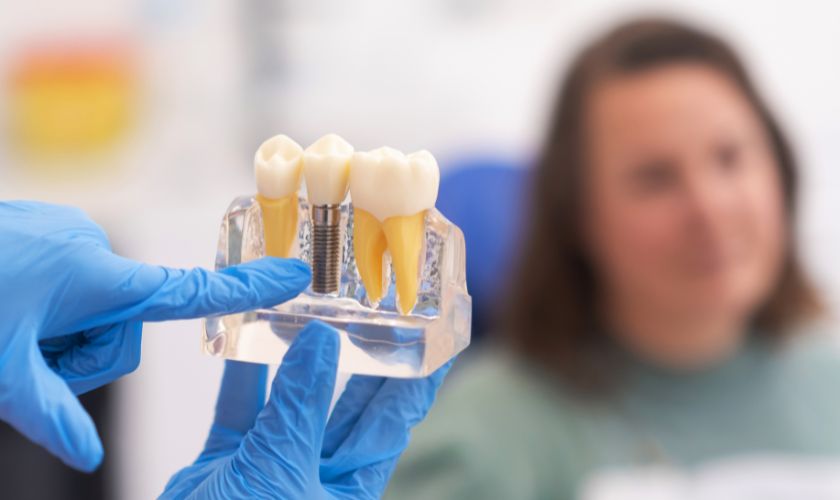
Dental implants have transformed modern dentistry by offering durable, natural-looking solutions for missing teeth. Whether you need to restore a single tooth or a complete smile, understanding the different types of dental implants is essential for making an informed choice. This guide explores the three main types of dental implants, their benefits, and how to determine the best option for your unique needs.
Understanding the Need for Dental Implants
Tooth loss can result from trauma, decay, or periodontal disease. Missing teeth not only affect your smile but also impact chewing, speaking, and jawbone health. Dental implants act as artificial tooth roots, supporting crowns, bridges, or dentures. Unlike traditional dental solutions, implants prevent bone loss, maintain facial structure, and restore full functionality.
Dental implants are highly effective because they integrate with the jawbone through osseointegration. This method offers reliable stability, allowing implants to serve as a lasting solution for tooth replacement. Choosing the correct type of implant can optimize your oral health and ensure better dental outcomes.
Three Types of Dental Implants
Dental implants are generally categorized into three main types: endosteal, subperiosteal, and zygomatic. Each type addresses specific situations and bone structures and offers unique advantages.
Endosteal Implants
Most dental professionals choose endosteal implants, which are surgically inserted into the jawbone in the shape of small screws or cylinders.
Benefits:
- Provide strong support for crowns, bridges, or dentures
- Suitable for patients with healthy jawbone density
- Promote natural chewing function and long-lasting results
- High success rate and widely used in the United States
Subperiosteal Implants
Subperiosteal implants rest on the jawbone beneath the gum, providing a strong foundation for replacement teeth. They are ideal for patients with insufficient bone height for traditional implants and who cannot undergo bone grafting.
Benefits:
- Avoids the need for extensive bone grafting
- Custom-designed framework fits securely over the jawbone
- Restores function and appearance for patients with low bone density
- Effective solution for complex dental cases
Zygomatic Implants
Zygomatic implants are anchored directly into the cheekbone (zygoma) rather than the jawbone. Though less common, they offer a highly effective solution for patients experiencing significant jawbone loss.
Benefits:
- Eliminates the need for bone grafts in severe cases
- Provides firm support for full-arch dental restorations
- Shorter treatment time for patients with significant bone resorption
- Enables immediate function in many cases
Benefits of Dental Implants
Choosing dental implants gives you more benefits than traditional dentures or bridges:
- Restore natural appearance and smile confidence
- Improve chewing efficiency and speech
- Preserve jawbone and prevent bone loss
- Offer long-lasting durability with proper care
- Minimize impact on adjacent teeth compared to bridges
Detailed Analysis of Each Type of Dental Implant
Endosteal implants suit most patients due to their simplicity and high success rate. Subperiosteal implants work best for patients with inadequate bone density, providing a secure foundation without grafting. Patients with extreme bone loss can benefit from zygomatic implants, which bypass the limitations of traditional implants. Discussing your specific condition with your dentist ensures the most effective treatment plan.
During a dental implant, your dentist evaluates bone structure, oral health, and personal goals to determine the ideal implant type. Advanced imaging and 3D modeling allow precise placement and predictable results.
Factors Influencing the Choice of Dental Implants
Several factors determine the best implant type for you:
- Bone density and jaw structure
- Number of missing teeth
- Overall oral and general health
- Budget and insurance coverage
- Desired treatment timeline
Your implant dentist in Beaverton will guide you through the decision-making process to ensure optimal results.
Making the Right Choice for Your Dental Implants
Choosing the right dental implant involves balancing function, aesthetics, and comfort. Consultation with an experienced dentist allows personalized recommendations based on oral health and lifestyle. Prioritizing quality and long-term success over short-term costs ensures your smile remains strong and healthy for years.
If you are considering dental implants, schedule an appointment with our experienced team at Murray Scholls Family Dental in Beaverton today. Our experts provide personalized treatment plans to restore your smile and confidence.
Recent Posts

August 18, 2026
Can Veneers Fix Gapped or Uneven Teeth?

August 13, 2026
Can Veneers Stain? What to Know About Coffee, Tea, and Wine

August 6, 2026
Best Dentist for Kids Near Beaverton, OR: What to Look For

July 29, 2026
7 Signs You Need a Dental Implant (And What to Do Next)

July 21, 2026