503-590-7574

Blog
When Should You Schedule an Oral Cancer Screening?
April 3, 2024
Oral Cancer Screening
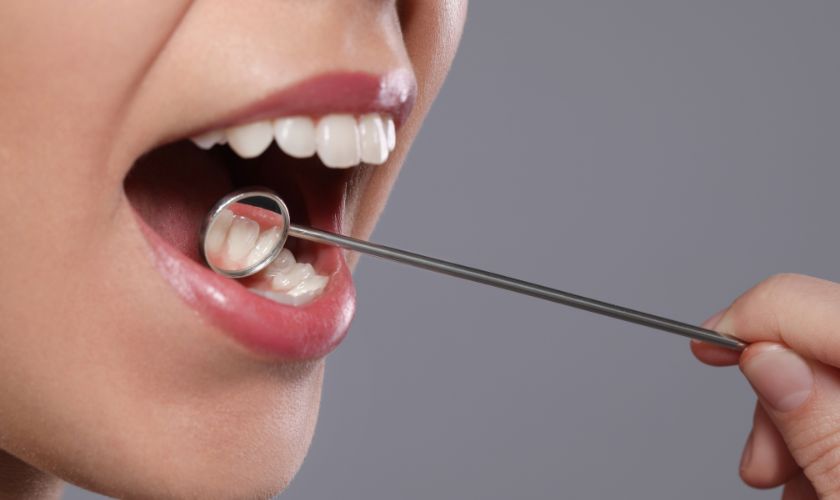
Oral cancer often develops quietly, with early signs that can be easy to miss without a professional exam. That’s why visiting a dentist in Beaverton for routine screenings plays an important role in protecting your long-term health. For patients in Beaverton and nearby communities like Hillsboro, Aloha, and Tigard, regular dental visits can help detect concerns early—when treatment is typically more effective.
Oral cancer affects the mouth, lips, tongue, and throat, and early detection significantly improves outcomes. Clinical guidelines continue to emphasize the importance of visual and tactile exams during routine dental visits to identify abnormal changes as early as possible.
In addition to professional screenings, staying aware of changes in your mouth between visits can help you take a proactive role in your oral health.
Who Should Get Screened for Oral Cancer?
The simple answer is everyone. Oral cancer can develop in anyone, regardless of age, gender, or risk factors. But some people are more vulnerable than others. Here’s a breakdown:
- Age: The majority of occurrences of oral cancer occur in those over 40, and the risk rises with age.
- Tobacco Use: Smoking, chewing tobacco, and smokeless cigarettes significantly increase the risk of oral cancer.
- Heavy Alcohol Use: Excessive alcohol consumption can weaken the body’s immune system and increase the risk of oral cancer, especially when combined with tobacco use.
- Human Papillomavirus (HPV): Certain strains of HPV, particularly HPV16 and HPV18, are linked to an increased risk of oropharyngeal cancer, a type of throat cancer.
- Family History: If you have a close relative (parent, sibling, child) who has had oral cancer, you may have a slightly higher risk.
Recommended Screening Frequency:
The recommended frequency for oral cancer screenings can vary depending on your individual risk factors. Here’s a general guideline:
- Low Risk: If you have no major risk factors, a screening once a year during your regular dental checkup is recommended.
- Increased Risk: For individuals with one or more risk factors, a screening every six months might be advised. To decide on the best course of action, talk about this with your dentist.
- High Risk: Those with multiple risk factors may need screenings even more frequently, potentially every three to four months.
It’s important to remember that these are merely recommendations. Always consult your dentist to determine the most appropriate screening schedule for you.
What Happens During an Oral Cancer Screening?
An oral cancer screening is a quick and painless procedure typically performed by your dentist during a routine checkup. It may involve the following:
- Visual Examination: Your mouth, tongue, throat, and the inside of your cheeks will all be visually examined by the dentist to check for any anomalies, such as sores, lumps, or color changes.
- Palpation: The dentist will feel your neck and jaw area for any lumps or swelling.
- Additional Tests: In some cases, additional tests like brush biopsies or oral rinses using special dyes might be needed for further investigation.
Don’t Forget Self-Exams!
While regular dental checkups with oral cancer screenings are essential, you can also play a proactive role by performing self-exams monthly. Here’s what to look for:
- Sores: Unexplained sores in your mouth that don’t heal within two weeks.
- Lumps: Any lumps or bumps on your tongue, cheeks, gums, or the roof or floor of your mouth.
- White Patches: Leukoplakia, which appears as white patches inside the mouth, can be a precancerous lesion.
- Red Patches: Erythroplakia, which appears as red, velvety patches, can also be a precancerous lesion.
- Bleeding: Unexplained bleeding in your mouth.
- Numbness: Numbness or a persistent burning sensation in your mouth or tongue.
- Loose Teeth: Teeth that become loose for no apparent reason.
If you notice any of these signs or symptoms, schedule an appointment with your dentist right away.
Take a Proactive Step Toward Your Oral Health
Staying consistent with preventive care can make a meaningful difference in detecting concerns early and maintaining long-term oral health. If you’ve noticed any unusual symptoms—or if it’s simply time for your routine checkup—an oral cancer screening can provide added peace of mind.
If you’re in Beaverton or nearby areas like Hillsboro, Aloha, or Tigard, you can visit our dental practice in Beaverton to receive comprehensive, patient-focused care in a comfortable setting.
Frequently Asked Questions
How often should I get an oral cancer screening?
Most adults benefit from an oral cancer screening at least once a year, often during a routine dental checkup. Those with higher risk factors—such as tobacco use or HPV—may need more frequent evaluations.
Is an oral cancer screening painful?
No, screenings are quick, non-invasive, and painless. Your dentist simply examines your mouth and gently checks for any unusual lumps or changes.
Can oral cancer develop without symptoms?
Yes, early-stage oral cancer may not cause noticeable symptoms, which is why routine screenings are so important for early detection.
What are the early warning signs I shouldn’t ignore?
Persistent sores, red or white patches, unexplained lumps, or difficulty swallowing should be evaluated by a dental professional as soon as possible.
Do I still need screening if I feel fine?
Yes. Many oral health conditions, including oral cancer, can develop without discomfort in the early stages. Preventive screenings help identify issues before symptoms appear.
Recent Posts

August 18, 2026
Can Veneers Fix Gapped or Uneven Teeth?

August 13, 2026
Can Veneers Stain? What to Know About Coffee, Tea, and Wine

August 6, 2026
Best Dentist for Kids Near Beaverton, OR: What to Look For

July 29, 2026
7 Signs You Need a Dental Implant (And What to Do Next)
July 21, 2026