503-590-7574

Blog
Can Gums Regrow After Periodontitis? The Truth About Gum Recession
August 5, 2024
Periodontal disease
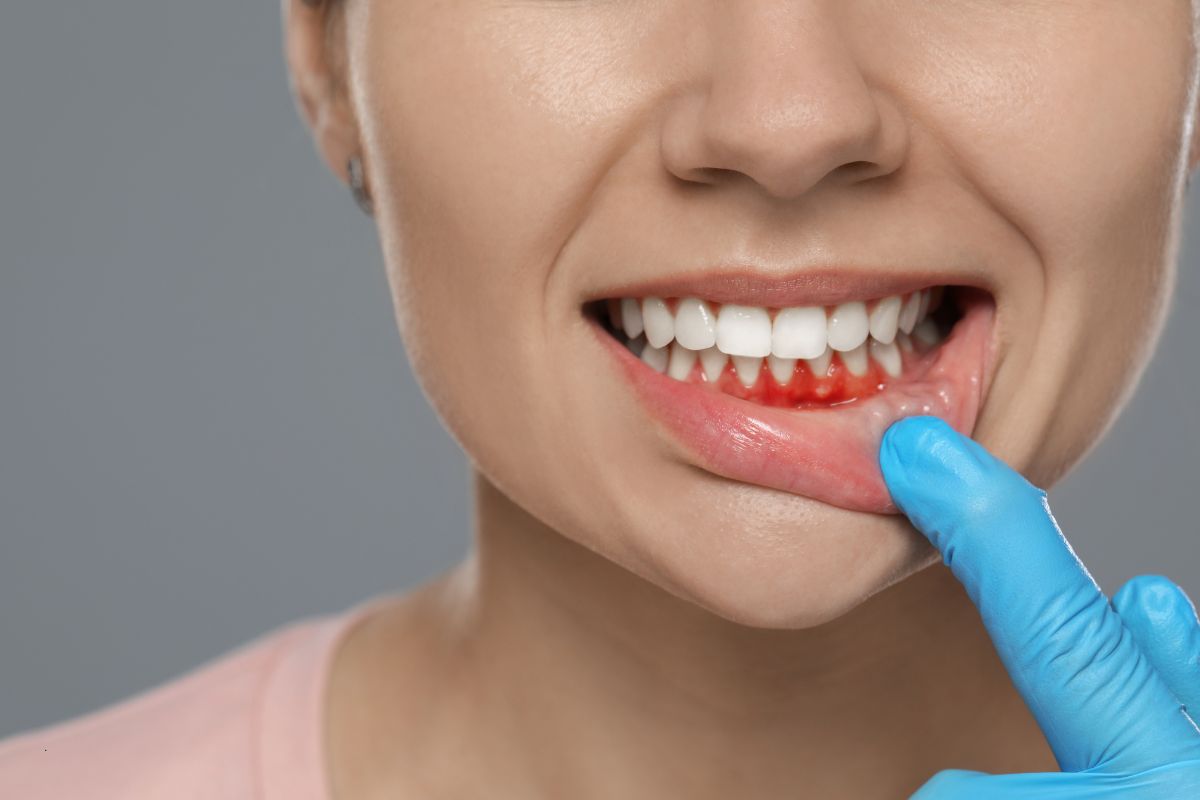
Periodontitis, a severe gum infection, threatens your dental health by damaging the soft tissue and bone that support your teeth. Many people wonder if their gums can regrow after periodontitis. The good news is that with proper treatment and care, you can significantly improve the health of your gums, though complete regeneration remains challenging.
Why Do Your Gums Recede?
Receding gums can be caused by several factors, including:
- Periodontal Diseases: As mentioned, diseases like periodontitis cause gum inflammation and damage the supporting tissue and bone.
- Poor Oral Hygiene: Not brushing or flossing regularly can lead to plaque buildup and gum disease, which causes gums to recede.
- Aggressive Brushing: Brushing too hard or using a hard-bristled toothbrush can wear down the enamel and cause gums to recede.
- Tobacco Use: Smoking or using other tobacco products damages the gum tissue and makes it more prone to infection.
- Genetics: Some people are more susceptible to gum disease due to their genetic makeup.
- Hormonal Changes: Hormonal fluctuations during pregnancy, menstruation, or menopause can make gums more sensitive and vulnerable to recession.
- Grinding and Clenching Teeth: These habits put excessive pressure on the gums and teeth, leading to recession.
- Misaligned Teeth or Bite: Abnormal positioning of teeth can put extra stress on gums and bone, contributing to recession.
Can Gums Regrow?
While gums won’t regrow to their original height after periodontitis, you can encourage some healing and reattachment with proper treatment and maintenance. Here’s how:
Medications: Sometimes, dentists prescribe special mouth rinses or gels to reduce bacteria and promote healing.
Professional Cleaning: Regular visits to your dentist in Beaverton for professional cleanings prevent further damage and help maintain gum health.
Good Oral Hygiene: Brushing twice a day with fluoride toothpaste and flossing daily removes plaque and prevents tartar buildup.
Healthy Diet: Eating a balanced diet rich in vitamins and minerals supports overall oral health and helps your gums recover.
Quit Smoking: Smoking weakens your immune system, making it harder for your gums to heal.
Gum Surgery: For more severe cases, gum surgery may be necessary to reduce gum pockets, regenerate bone, or perform soft tissue grafts.
The Role of a Dentist in Beaverton:
A skilled dentist in Beaverton plays a crucial role in managing periodontitis. They can diagnose the condition early, recommend appropriate treatments, and provide essential follow-up care. Regular check-ups and cleanings help monitor your progress and ensure that your gums and teeth remain healthy.
FAQs:
1. Can gums naturally regenerate after periodontitis?
No, gums do not naturally regenerate after periodontitis. Professional periodontal treatment and proper care can improve gum health and appearance but will not fully regrow destroyed tissue.
2. What is the best way to prevent periodontitis?
Maintain good oral hygiene by brushing and flossing daily, eating a balanced diet, avoiding tobacco, and visiting your dentist regularly.
3. How effective is gum graft surgery?
Gum graft surgery effectively covers exposed roots and enhances the appearance of your gums. While it does not regenerate gums, it provides protection and improves gum health.
4. Are there any new treatments for gum regeneration?
Researchers are exploring regenerative techniques like guided tissue regeneration and growth factors. These methods are still in the experimental stage but show promise for future treatments.
5. How often should I visit my dentist to prevent gum disease?
Schedule dental check-ups and cleanings every six months. Regular visits help prevent plaque buildup and monitor gum health, reducing the risk of gum disease.
Conclusion:
While you cannot completely regrow gums destroyed by periodontitis, proper treatment, and care can halt the disease and significantly improve gum health. Combining professional treatment with diligent home care ensures the best outcomes. Stay proactive in your dental hygiene to maintain healthy gums and a confident smile.
Recent Posts
June 12, 2026
Dental Implants in Beaverton, OR: Cost, Process & What to Expect
June 3, 2026
New Patient Dental Exam in Beaverton: What to Expect at Your First Visit

May 27, 2026
What to Eat and Avoid After Dental Implant Surgery
May 21, 2026
The Dental Crown Procedure, Step by Step: A Patient’s Complete Guide
May 13, 2026