503-590-7574

Blog
Managing Nerve Pain After Tooth Extraction: A Guide
December 23, 2024
Tooth Extractions
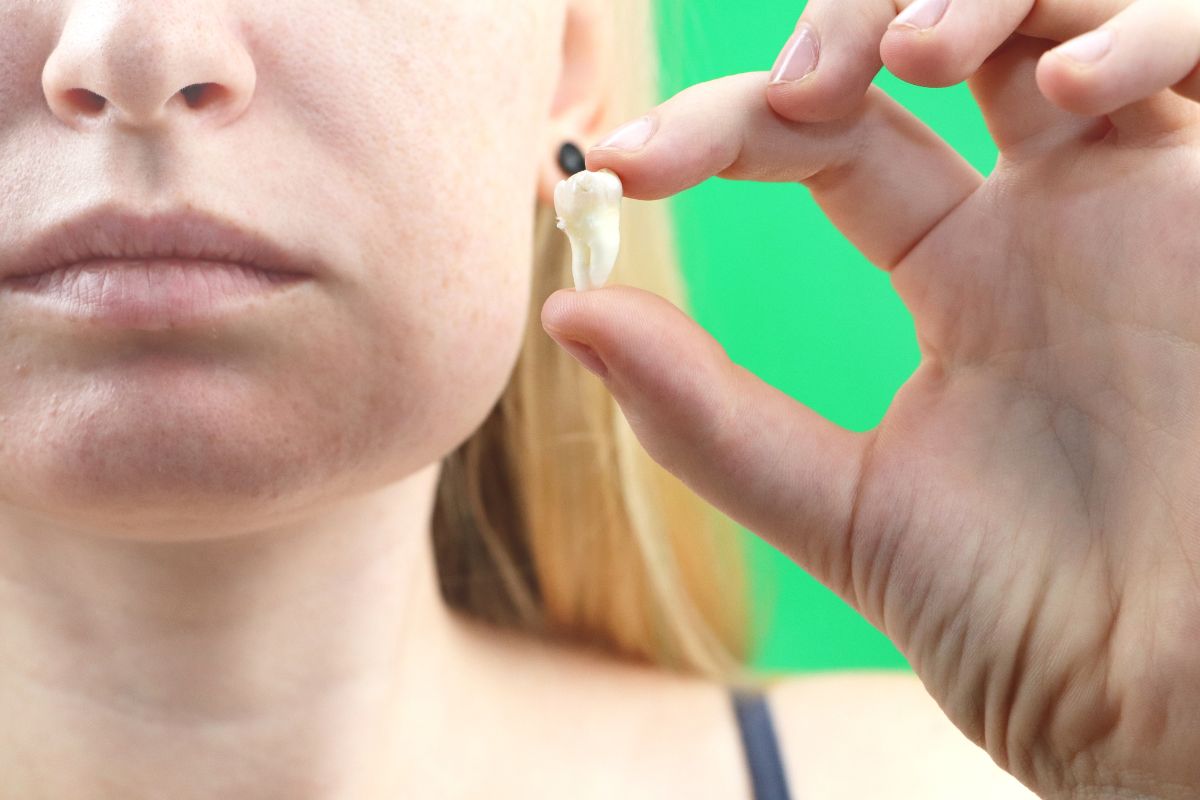
Experiencing nerve pain after tooth extraction can be challenging. Act swiftly to address a dull ache or sharp, shooting sensation to ensure a smoother recovery. Here’s a practical guide to help you manage nerve pain effectively and get back to feeling your best.
Understanding Nerve Pain Post-Extraction
After a tooth extraction, it’s common to feel some discomfort as your body heals. However, nerve pain is a more specific issue that may arise due to irritation or minor trauma to the surrounding nerves. Symptoms often include tingling, numbness, or a burning sensation that can linger in the affected area.
While mild nerve pain often resolves independently, persistent pain may require a more proactive approach. Understanding the root cause can help you determine the best course of action for relief.
Practical Tips to Relieve Nerve Pain after Tooth Extraction
- Stay Ahead with Pain Management: Over-the-counter pain relievers, such as ibuprofen or acetaminophen, can help reduce inflammation and discomfort. Follow the recommended dosage and consult your dentist if unsure of what works best for your situation.
- Apply Cold Compresses: A cold pack placed on the outside of your cheek near the extraction site can help numb the area and minimize swelling. Use it for 10-15 minutes, especially in the first 48 hours after your procedure.
- Practice Gentle Oral Hygiene: Keeping the extraction site clean is crucial for preventing infection, which can worsen nerve pain. Rinse gently with a saltwater solution twice daily to promote healing, and avoid using a toothbrush directly on the affected area.
- Modify Your Diet: Stick to soft, nutrient-rich foods like yogurt, mashed potatoes, or soups to prevent aggravating the extraction site. Avoid hot, spicy, or crunchy foods that could irritate the area further.
- Consider Nerve-Soothing Remedies: Some patients find relief from natural remedies such as clove oil or aloe vera gel, which are applied carefully to the gums. These options may provide a soothing effect, though you should always confirm their safety with your dentist.
When to Contact Your Dentist in Beaverton
If nerve pain persists beyond a few days or worsens significantly, contact your dental professional in Beaverton immediately. Signs of a potential issue include prolonged numbness, swelling that doesn’t subside, or signs of infection like fever or pus near the extraction site. Your dentist in Beaverton may recommend additional treatments such as nerve desensitization or prescribe medication tailored to your needs.
Preventing Long-Term Complications
Proactively managing nerve pain aids in short-term recovery and reduces the risk of long-term complications. To ensure optimal healing, follow all post-operative care instructions provided by your dental team.
Your Next Step to a Pain-Free Smile
At Murray Scholls Family Dental, we’re committed to helping you recover comfortably after your dental procedures. If you’re struggling with nerve pain or have concerns about your healing process, schedule a consultation with our experienced team. We’ll work with you to create a personalized care plan and ensure your smile stays healthy and pain-free.
Call us today to book your appointment and experience compassionate, expert dental care. Your comfort is our priority!
Recent Posts

August 18, 2026
Can Veneers Fix Gapped or Uneven Teeth?

August 13, 2026
Can Veneers Stain? What to Know About Coffee, Tea, and Wine

August 6, 2026
Best Dentist for Kids Near Beaverton, OR: What to Look For

July 29, 2026
7 Signs You Need a Dental Implant (And What to Do Next)

July 21, 2026