503-590-7574

Blog
The Benefits of Dental Implants for Tooth Restoration
February 27, 2026
Dental Implants
Losing a tooth changes more than your smile. Many patients tell us they first notice it when eating feels different, when certain foods become harder to chew, or when they catch themselves avoiding a full smile in photos. Others feel frustrated with dentures that shift at inconvenient moments. Some are simply concerned about long-term bone changes and want a solution that feels stable and lasting.
For individuals exploring restorative dentistry in Beaverton and looking for reliable tooth replacement, dental implants are often part of the conversation. As part of our broader approach to restorative dental care, implants are designed to rebuild both function and appearance in a way that supports long-term oral health.
What Are Dental Implants?
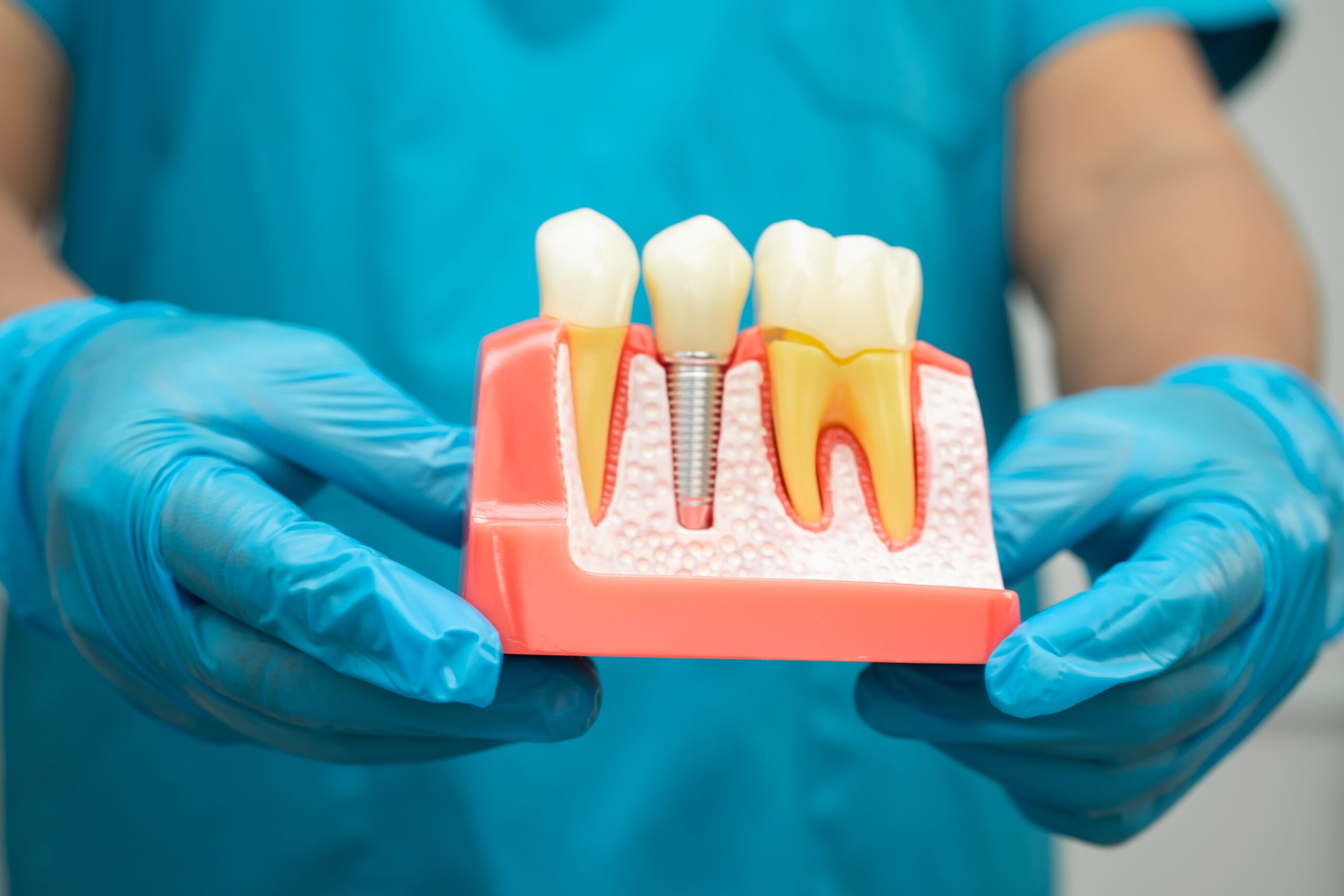
A dental implant is a small titanium post that functions as an artificial tooth root. It is placed in the jawbone where a tooth is missing. Over time, the bone integrates with the implant, creating a stable foundation.
Once healed, a custom-made crown, bridge, or denture is attached to the implant. Unlike removable options, implants are fixed in place. They do not rely on neighboring teeth for support and do not need to be taken out at night.
In simple terms, implants replace both the visible part of the tooth and the root underneath. That root replacement is what makes them unique compared to traditional removable prosthetics.
Why Dental Implants Are Considered a Long-Term Solution
One of the most important benefits of implants is bone preservation. When a tooth is lost, the jawbone in that area begins to shrink over time because it no longer receives stimulation from chewing. An implant restores that stimulation, helping maintain bone structure.
Implants also provide stability. Because they are anchored into the jawbone, they help prevent adjacent teeth from shifting into the empty space. This protects your bite alignment and reduces the risk of additional dental complications.
Compared to bridges or removable dentures, implants are often longer-lasting. With proper care and regular dental visits, many implants function for decades. Longevity depends on overall health, oral hygiene, and routine maintenance.
Improved Comfort and Chewing Function
Patients often describe one of the biggest benefits as the ability to eat comfortably again. Foods that once felt difficult — crisp vegetables, lean meats, or nuts — can become manageable once more.
Because implants do not slip or move, they restore natural bite force more effectively than removable options. This stability allows for more confident chewing and speaking. For many busy professionals commuting along SW Murray Scholls Drive or families enjoying outdoor weekends in Oregon, not having to think about their teeth during meals makes daily life simpler.
A Natural Look and Feel
Modern implant restorations are carefully designed to blend with surrounding teeth. The crowns placed on implants are custom-shaped and color-matched to complement your smile.
Beyond aesthetics, implants often feel more natural than other options. Patients frequently report improved clarity when speaking and greater confidence in social settings — whether attending community events or professional meetings.
The goal is not to create an artificial look, but to restore what was lost in a way that feels balanced and authentic.
Protecting Adjacent Healthy Teeth
Traditional bridges require reshaping neighboring teeth to support the restoration. While bridges remain a valuable option in certain cases, implants offer independent support.
Because an implant stands on its own, it preserves the structure of nearby healthy teeth. From a restorative standpoint, maintaining as much natural tooth structure as possible is always a priority.
Dental Implants vs. Other Tooth Replacement Options
There are several ways to replace missing teeth, and each has advantages depending on the situation.
Bridges are fixed restorations supported by adjacent teeth. They can be effective when neighboring teeth already need crowns.
Partial dentures are removable and can replace multiple missing teeth. They may be appropriate when several teeth are missing in different areas.
Removable full dentures replace an entire arch of teeth. However, they rely on the gums for support and may shift over time as bone changes occur.
Implants differ because they replace the root structure and provide stability from within the bone. In some cases, implants can also support bridges or dentures for added retention.
The right choice depends on oral health, bone levels, medical history, and personal goals.
How a Restorative Dentist Plans Implant Treatment Thoughtfully
Implant treatment begins with a comprehensive examination. This includes evaluating bone density, reviewing periodontal health, and analyzing bite alignment.
X-rays or 3D imaging may be used to assess bone volume and determine whether additional procedures are needed for support. A careful bite analysis ensures the implant restoration will function harmoniously with existing teeth.
In many cases, preserving a natural tooth is considered before recommending extraction and replacement. Conservative planning remains central to restorative dentistry. When implants are appropriate, collaboration with a periodontist or oral surgeon may be part of the process to ensure proper placement and healing.
The focus is always on long-term stability rather than short-term fixes.
A Thoughtful Next Step
If you are considering tooth replacement, it helps to have an open conversation about your goals, comfort, and expectations. Every situation is unique. Some patients prioritize chewing strength, others aesthetics, and many want both.
You’re welcome to visit our Beaverton dental office to discuss your options in a relaxed, informative setting. A personalized evaluation allows you to understand what is possible and make a decision that supports your long-term oral health.
FAQs
Are dental implants painful?
Most patients report mild discomfort rather than significant pain. The area is numbed during the procedure, and post-treatment soreness is typically manageable with standard recommendations. Healing experiences vary, but discomfort is generally temporary.
How long do dental implants last?
With consistent oral hygiene and routine dental care, implants can function for decades. The crown attached to the implant may need replacement over time due to normal wear, but the implant itself is designed to be long-lasting.
Am I too old for dental implants?
Age alone does not disqualify someone from implant treatment. Overall health, bone quality, and gum condition are more important factors than age.
How long does the implant process take?
The timeline varies. Healing between placement and final restoration typically takes several months, allowing the implant to integrate with the bone. Your dentist will outline a timeline based on your specific case.
What happens if I don’t replace a missing tooth?
Leaving a gap can lead to shifting teeth, bite imbalance, and gradual bone loss in the area. Over time, this may affect chewing efficiency and overall oral health.
Recent Posts

August 18, 2026
Can Veneers Fix Gapped or Uneven Teeth?

August 13, 2026
Can Veneers Stain? What to Know About Coffee, Tea, and Wine

August 6, 2026
Best Dentist for Kids Near Beaverton, OR: What to Look For

July 29, 2026
7 Signs You Need a Dental Implant (And What to Do Next)

July 21, 2026