503-590-7574

Blog
Can Veneers Stain? What to Know About Coffee, Tea, and Wine
August 13, 2026
Cosmetic Dentistry

If you enjoy coffee in the morning, tea during the day, or an occasional glass of wine, you may wonder: can veneers stain? It’s an important question if you’re considering cosmetic dentistry in Beaverton or already have veneers and want to protect your smile.
The good news is that the porcelain veneers offered by Murray Scholls Family Dental are highly resistant to stains from substances such as coffee and tea. However, stain resistance does not mean veneers are completely maintenance-free. Your natural teeth, the areas around your veneers, and your overall oral health still need regular care.
Can Veneers Stain From Coffee, Tea, or Wine?
Porcelain veneers are highly stain-resistant, but the teeth surrounding them can still discolor.
Murray Scholls Family Dental describes its ultra-thin porcelain veneers as highly resistant to stains from coffee, tea, and tobacco. Veneers are bonded to the front surfaces of teeth and can improve the appearance of teeth that are stained, uneven, chipped, or crooked.
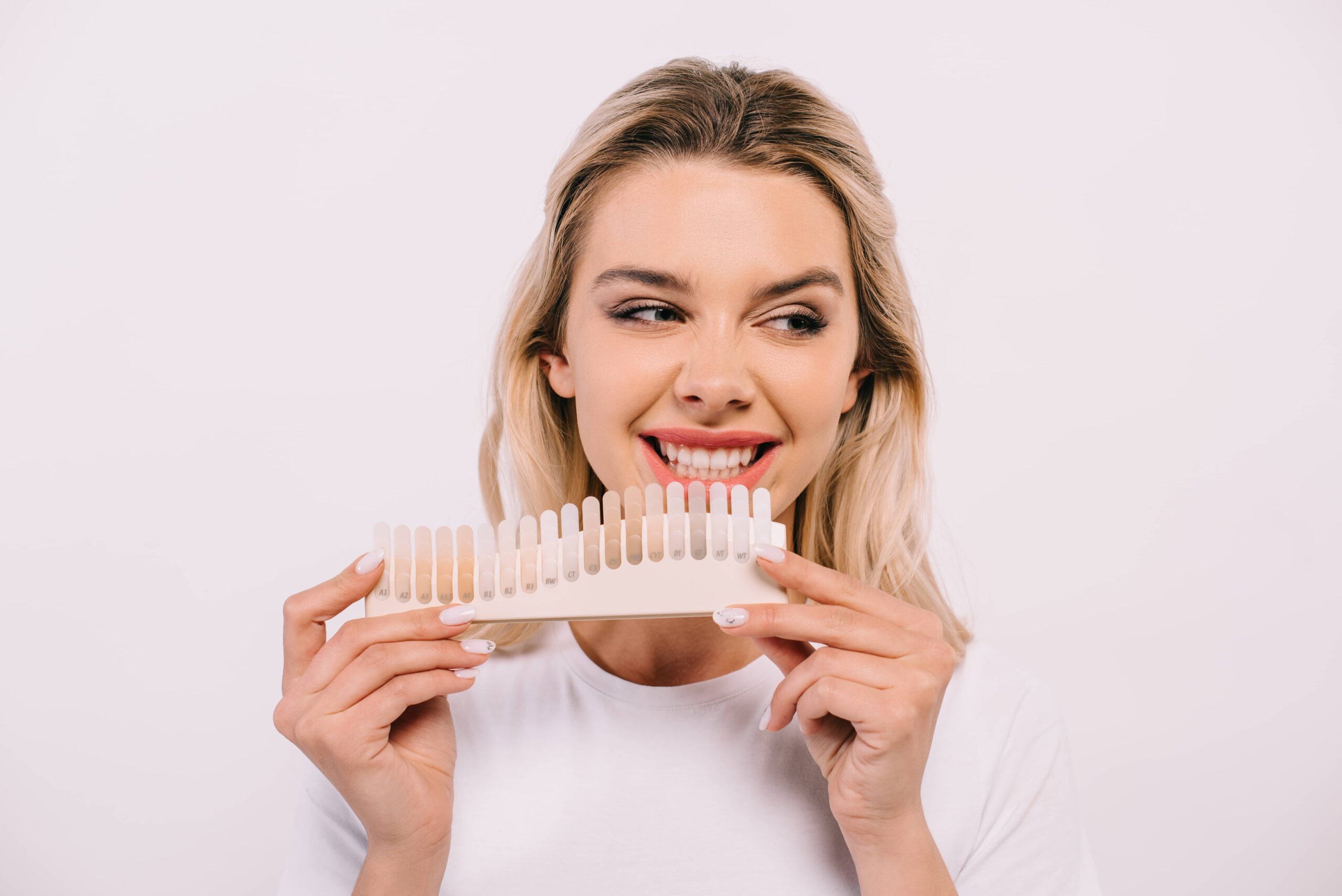
That distinction matters. If you drink coffee or tea regularly, your porcelain veneers generally resist the type of surface discoloration that can affect natural enamel. But your natural teeth can still accumulate stains over time, potentially creating a difference in shade between natural tooth structure and a veneer.
Red wine is another beverage commonly associated with tooth staining. Rather than assuming you must eliminate every staining beverage after getting veneers, focus on consistent oral hygiene and professional dental care.
Why Are Porcelain Veneers More Resistant to Staining?
Porcelain is a ceramic material with a smooth surface, which contributes to its resistance to external staining.
Natural teeth have enamel that can accumulate discoloration from foods, beverages, tobacco, and other factors. Composite or resin-based cosmetic materials can also have different staining characteristics than porcelain.
The American Dental Association notes that composite materials can be susceptible to discoloration, while porcelain veneers are generally strong, long-lasting, and natural-looking.
This is one reason material selection matters when discussing a cosmetic treatment plan with your dentist.
Does Coffee Stain Veneers?
For patients asking can veneers stain from coffee, porcelain veneers are designed to be highly stain-resistant.
Still, coffee can contribute to discoloration around a veneer. The natural tooth structure, the edges around the restoration, or other teeth in your smile may develop surface staining even when the porcelain itself remains relatively unchanged.
If coffee is part of your daily routine:
- Maintain your normal brushing routine.
- Clean between your teeth every day.
- Drink water regularly.
- Keep routine dental cleaning appointments.
- Ask your dentist whether professional cleaning or another cosmetic treatment is appropriate if you notice discoloration.
Murray Scholls Family Dental’s preventive dental care includes professional cleaning and polishing, which can remove stains that build up from coffee, tea, and wine.
Does Tea Stain Veneers?
Tea can also contribute to tooth staining, particularly with frequent consumption. However, porcelain veneers are highly resistant to this type of surface discoloration.
If your veneers appear darker or less uniform over time, don’t assume the porcelain itself has necessarily stained. The change may involve surrounding natural teeth, plaque or calculus buildup, or other factors affecting the appearance of your smile.
A dental examination can help determine what’s actually causing the color difference before you try a whitening product or other treatment.
What About Red Wine?
Red wine contains strong pigments that can contribute to tooth discoloration. The American Dental Association recommends being cautious with beverages such as coffee, tea, and red wine when caring for veneers.
You don’t necessarily need to give up wine entirely because you have veneers. Instead, think about your overall habits and oral hygiene. If you regularly consume staining beverages, keeping up with professional dental cleanings becomes especially important.
How to Keep Your Veneers Looking Their Best
Veneers still require the same basic type and amount of care as regular teeth, according to Murray Scholls Family Dental. The practice recommends brushing twice daily, flossing once a day, and maintaining regular dental visits.
A practical veneer-care routine includes:
- Brush twice a day: Use fluoride toothpaste and a soft-bristled toothbrush.
- Clean between your teeth daily: Floss or use another dentist-recommended interdental cleaner.
- Don’t neglect natural teeth: Veneers don’t protect the surrounding tooth structure from cavities or gum problems.
- Keep professional cleanings: Dental polishing can address surface stains on natural teeth and support overall oral health.
- Avoid using teeth as tools: Veneers are durable, but they are not indestructible.
- Tell your dentist about changes: New sensitivity, a loose veneer, chipping, or an unexpected color change deserves an evaluation.
Can You Whiten Veneers if They Become Discolored?
This is where expectations are important.
Professional teeth whitening can improve the color of natural teeth and remove certain types of tooth discoloration. Murray Scholls Family Dental offers KöR Teeth Whitening and explains that its whitening treatment is designed to address stains accumulated over time.
However, whitening natural teeth does not simply change the shade of an existing porcelain veneer in the same way. If you already have veneers and are considering whitening, talk with your dentist before treatment so the color of your natural teeth and existing restorations can be considered together.
If you’re deciding between whitening, bonding, and veneers in the first place, the appropriate treatment depends on your smile goals, dental health, and the type of discoloration involved. Murray Scholls Family Dental emphasizes consultation and personalized treatment planning rather than assuming one cosmetic procedure is right for every patient.
When Should You Have a Veneer Evaluated?
A color change isn’t the only reason to contact your dentist.
Schedule an evaluation if you notice:
- A veneer becoming loose
- A chip or crack
- Persistent sensitivity
- Changes around the gumline
- A noticeable difference between the veneer and neighboring teeth
- Discoloration that doesn’t improve with routine cleaning
Veneers are intended as a long-term cosmetic treatment, but they still depend on healthy teeth, gums, good oral hygiene, and regular dental care.
For patients considering veneers, a consultation can also help determine whether veneers are appropriate or whether a more conservative option, such as professional whitening or dental bonding, may better address the concern.
Choosing Cosmetic Dentistry in Beaverton
If you’re researching can veneers stain because you’re considering a smile makeover, the bigger question is whether veneers are the right treatment for your goals.
Murray Scholls Family Dental provides cosmetic dentistry in Beaverton, including professional teeth whitening, dental bonding, porcelain veneers, and Invisalign. Visit our clinic, our practice’s cosmetic team includes Dr. Scott Walker, Dr. Nicolas Maxim, and Dr. Jessica Walker Hall.
A consultation gives you an opportunity to discuss discoloration, tooth shape, symmetry, and your expectations before deciding on treatment. The goal is not simply a whiter smile, but a result that looks natural and can be maintained with appropriate dental care.
Conclusion: Can Veneers Stain?
So, can veneers stain? Porcelain veneers are highly resistant to stains from coffee and tea, and they can provide a durable cosmetic solution for teeth that are stained, chipped, uneven, or crooked. However, the natural teeth around veneers can still discolor, and your veneers still require regular brushing, flossing, professional cleanings, and dental examinations.
If you’re considering porcelain veneers or are concerned about discoloration in an existing smile, a personalized evaluation is the best way to understand your options. For patients in Beaverton, contact Murray Scholls Family Dental; we can discuss veneers, professional whitening, bonding, and other cosmetic dentistry options based on your individual smile goals.
FAQs
Can veneers stain from coffee?
Porcelain veneers are highly resistant to staining from coffee. However, coffee can still stain natural teeth surrounding the veneers, which may affect the overall appearance of your smile.
Can you drink coffee after getting veneers?
Yes. Porcelain veneers are designed to be highly stain-resistant. Continue practicing good oral hygiene and maintain regular professional dental cleanings to protect your smile.
Does red wine stain porcelain veneers?
Porcelain veneers are highly stain-resistant, but red wine can contribute to staining of natural teeth and buildup around restorations. The ADA recommends being cautious with coffee, tea, and red wine when caring for veneers.
Can you whiten veneers?
Whitening is designed to change the color of natural teeth rather than simply bleaching an existing porcelain veneer. If you have veneers and want to whiten your smile, discuss your options with your dentist first.
How do you keep veneers white?
Brush twice daily, clean between your teeth once a day, maintain regular dental visits, and follow your dentist’s recommendations for caring for your veneers. Murray Scholls Family Dental recommends the same basic care for veneers as for regular teeth.
Recent Posts
August 18, 2026
Can Veneers Fix Gapped or Uneven Teeth?
August 13, 2026
Can Veneers Stain? What to Know About Coffee, Tea, and Wine

August 6, 2026
Best Dentist for Kids Near Beaverton, OR: What to Look For

July 29, 2026
7 Signs You Need a Dental Implant (And What to Do Next)
July 21, 2026