503-590-7574

Blog
How to Know When You Need a Full-Mouth Restoration: A Comprehensive Guide
November 12, 2024
Restorative Dentistry
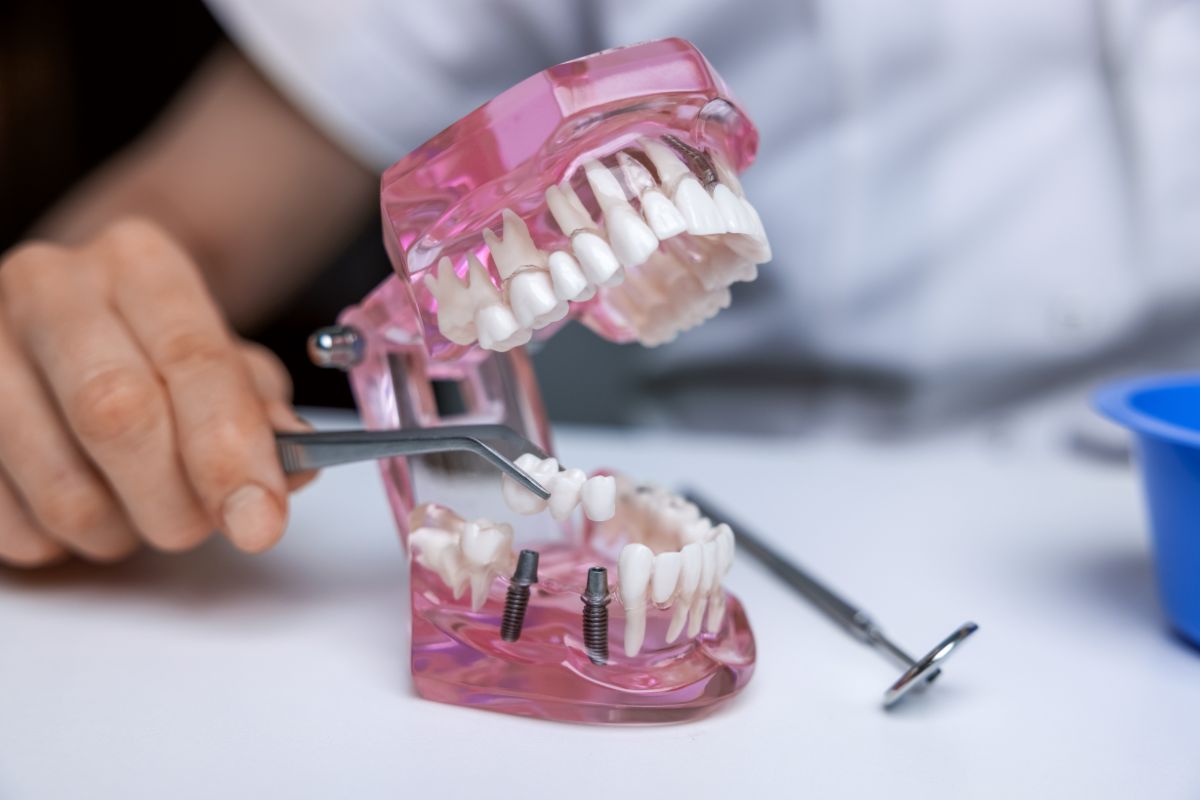
You might wonder if it’s time for a full-mouth restoration when you face ongoing dental problems. But what exactly is a full-mouth restoration, and how can you know if it’s the right solution for you? We’ll break down everything you need to know so you can make an informed decision.
What is a Full-Mouth Restoration?
A full-mouth restoration, also known as full-mouth reconstruction, is a comprehensive treatment plan designed to rebuild or restore all the teeth in your upper and lower jaws. This process includes procedures like crowns, bridges, dental implants, veneers. It goes beyond cosmetics by restoring the health and functionality of your teeth and gums.
Signs You Might Need a Full-Mouth Restoration:
If you’re experiencing any of the following symptoms, it may be time to consider a full-mouth restoration:
- Severe Tooth Decay or Damage: Simple fillings or crowns may not restore their function if your teeth are severely decayed or broken. When many of your teeth are compromised, a full-mouth restoration can be the most effective way to regain a healthy smile.
- Missing Multiple Teeth Missing teeth can lead to bone loss in the jaw, misalignment, and difficulty chewing. Dental implants, bridges, or dentures used in a full-mouth restoration can fill these gaps, preventing further dental complications.
- Chronic Jaw Pain or TMJ Issues Jaw pain, headaches, or issues with your temporomandibular joint (TMJ) can result from misaligned teeth or an improper bite. Full-mouth restoration can correct the bite, relieve pain, and restore proper function.
- Advanced Gum Disease Periodontal disease can cause your gums to recede, weaken the bone that supports your teeth, and even lead to tooth loss. A full-mouth restoration can repair damage caused by gum disease.
- Worn-Down Teeth Due to Grinding (Bruxism) Teeth grinding can wear down your enamel, making teeth shorter and more sensitive. If your teeth are significantly worn, a full-mouth restoration can help restore their structure, protect against further damage, and improve your smile.
What to Expect During a Full-Mouth Restoration?
The process of a full-mouth restoration is customized to your specific needs and may take several months to complete. Here’s what you can generally expect:
- Comprehensive Evaluation: Your dentist will start with a thorough exam, including digital X-rays, 3D imaging, and dental impressions. This helps them understand the extent of the damage and determine the best course of action.
- Personalized Treatment Plan: Based on your dental condition, your dentist will develop a treatment plan that may include dental implants, crowns, bridges, or orthodontics. The goal is to restore both function and aesthetics.
- Phased Treatment Approach Full-mouth restoration is often performed in stages. For example, you may start by addressing gum disease or infections, followed by tooth replacements and restorations. The timeline will vary depending on the procedures involved.
Benefits of a Full-Mouth Restoration:
Opting for a full-mouth restoration offers several advantages:
- Improved Oral Health: Addressing multiple dental issues simultaneously can significantly enhance oral health.
- Boosted Confidence: Restoring your smile can boost your self-esteem and make you more comfortable in social situations.
- Enhanced Functionality: A full-mouth restoration ensures you can chew, speak, and smile confidently.
- Long-Lasting Results: Many procedures, such as dental implants, provide durable solutions that can last years with proper care.
Is a Full-Mouth Restoration Right for You?
If you’re unsure whether you need a full-mouth restoration, consult your dentist in Beaverton for guidance. They’ll evaluate your dental health, discuss your goals, and recommend the best options tailored to your needs. Remember, addressing dental issues sooner rather than later can prevent them from worsening and becoming more costly.
A full-mouth restoration can be life-changing for those with extensive dental issues. It’s not just about improving your smile—it’s about reclaiming your quality of life. If you’re experiencing any of the symptoms mentioned, don’t hesitate to consult a dental professional to explore your options.
You’re investing in your overall well-being by taking the first step towards a healthier smile. So, if you’ve been dealing with dental problems for a while, consider a full-mouth restoration to restore your confidence and dental health.
Recent Posts

August 18, 2026
Can Veneers Fix Gapped or Uneven Teeth?

August 13, 2026
Can Veneers Stain? What to Know About Coffee, Tea, and Wine

August 6, 2026
Best Dentist for Kids Near Beaverton, OR: What to Look For

July 29, 2026
7 Signs You Need a Dental Implant (And What to Do Next)

July 21, 2026