503-590-7574

Blog
The Comprehensive Guide to Dental Implants: What You Need to Know
September 14, 2023
Uncategorized
Missing teeth can have a significant impact on your confidence, appearance, and overall oral health. Thankfully, dental implants offer a permanent solution that not only restores your smile but also improves the functionality of your mouth. If you’re considering dental implants or simply curious about this remarkable tooth replacement option, you’ve come to the right place! In this comprehensive guide to dental implants, we’ll take you through everything you need to know – from how they work and the different types available to what you can expect after getting an implant. So let’s dive in and discover why dental implants are revolutionizing smiles worldwide!
What are Dental Implants?
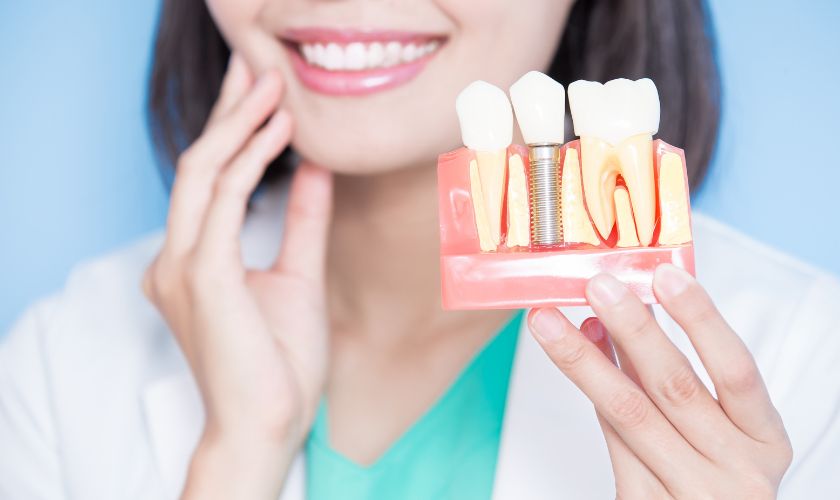
Dental implants are artificial tooth roots that provide a strong foundation for replacement teeth. They are typically made of titanium, a biocompatible material that fuses with the jawbone through a process called osseointegration. This integration ensures stability and durability, mimicking the natural function of real teeth.
Unlike dentures or bridges that sit on top of the gums or rely on adjacent teeth for support, dental implants are surgically placed into the jawbone. This secure placement eliminates slippage or movement while speaking or eating, giving you the confidence to enjoy your favorite foods without restrictions.
The visible part of the implant is known as an abutment, which serves as a connector between the implant and the prosthetic tooth. The prosthesis can be either a single crown for replacing one missing tooth or a bridge/denture if multiple teeth need to be replaced.
One of the major advantages of dental implants is their ability to preserve bone structure in your jaw. When you lose a tooth, bone loss can occur over time due to lack of stimulation from chewing forces. Dental implants stimulate bone growth and help maintain facial structure and integrity.
Moreover, dental implants look and feel like natural teeth – they blend seamlessly with your existing smile and no one will even know you have them! They also allow for normal speech patterns since there’s no worry about slurring words or shifting dentures.
Cosmetic Dentistry offer an innovative solution for replacing missing teeth by providing stability, functionality, preserving oral health and enhancing aesthetics all at once. With their long-term success rates exceeding 95%, it’s clear why dental implants have become such a popular choice among individuals seeking permanent solutions for their smiles!
How do Dental Implants Work?
How do dental implants work? Dental implants are a revolutionary solution for replacing missing teeth. Unlike traditional dentures or bridges, dental implants provide a permanent and stable foundation for replacement teeth.
The process of getting dental implants involves several steps. First, the dentist will assess your oral health to determine if you are a suitable candidate for implant surgery. This may involve taking X-rays or performing a CT scan to evaluate the condition of your jawbone.
If you are deemed eligible, the next step is the placement of the implant itself. This involves surgically inserting a titanium post into your jawbone to act as an artificial tooth root. Over time, this post fuses with the bone through a process called osseointegration, providing exceptional stability and support.
After the implant has fully integrated with your jawbone, an abutment is attached to it. The abutment serves as a connector between the implant and the prosthetic tooth or crown that will be placed on top.
Once everything has healed and settled into place, your dentist will custom-create and attach your replacement tooth onto the abutment. The end result is a natural-looking tooth that functions just like any other in your mouth!
Dental implants offer numerous benefits such as improved appearance, enhanced chewing ability, increased comfort, and long-lasting durability. They truly revolutionize how we can restore missing teeth effectively!
Types of Dental Implants
When it comes to dental implants, there are several types available, each designed to address specific needs and preferences. Let’s explore some of the most common options:
- Endosteal Implants: These are the most popular type of dental implants and involve placing a titanium post directly into the jawbone. Once healed, an artificial tooth is attached to the post.
- Subperiosteal Implants: Unlike endosteal implants that go into the bone, subperiosteal implants sit on top of the jawbone but underneath the gum tissue. This option is suitable for patients who have insufficient bone height or don’t want invasive surgery.
- All-on-4 Implants: This innovative technique allows for full arch restoration using only four strategically placed implants in each jaw. It provides stability and support for dentures or bridges without requiring individual implant placement.
- Zygomatic Implants: For individuals with severe bone loss in their upper jaws, zygomatic implants offer a solution by anchoring prosthetic teeth onto cheekbones instead of relying solely on deteriorated jawbone structure.
- Mini Dental Implants (MDIs): As their name suggests, MDIs are smaller than traditional implants and can be used in cases where space is limited or when replacing small teeth like incisors or premolars.
Remember that your dentist will evaluate your oral health condition and discuss which type of implant is best suited for you based on various factors such as bone density and overall dental health.
If you’re considering dental implants, consult with a skilled professional who can guide you through the process and help determine which type will provide optimal results for your unique situation
What to Expect after Getting a Dental Implant
After getting a dental implant, it’s important to know what to expect during the recovery process. While each person’s experience may vary, there are some common factors that can give you an idea of what to anticipate.
Immediately after the procedure, you may experience some swelling and discomfort in the treated area. This is normal and can be managed with over-the-counter pain medication prescribed by your dentist or oral surgeon. It’s also recommended to apply ice packs on your face intermittently for the first 24 hours to help reduce swelling.
In terms of eating, it’s best to stick with soft foods initially as your mouth may be tender. Avoid hard or crunchy foods that could potentially damage the implant site. Gradually introduce firmer foods back into your diet as advised by your dental professional.
Maintaining good oral hygiene is crucial during this time. Your dentist will provide instructions on how to care for your implant properly, including brushing gently around the surgical site and using a prescribed antimicrobial mouthwash.
It’s normal for there to be some minor bleeding during the first few days after surgery. However, if excessive bleeding occurs or persists beyond a couple of days, contact your dentist immediately.
During follow-up appointments, your dentist will monitor healing progress and make any necessary adjustments or modifications if needed. Be sure to attend these appointments as they are essential for ensuring successful integration of the implant with surrounding bone tissue.
Remember that everyone heals at their own pace, so patience is key throughout this process. If you have any concerns or questions about post-operative care, don’t hesitate to reach out to your dental professional for guidance and reassurance.
Complications Associated with Dental Implants
While dental implants are a highly successful and long-lasting solution for missing teeth, like any medical procedure, there can be complications. It’s important to be aware of these potential issues before deciding to get dental implants.
One common complication is infection. This can occur if proper oral hygiene practices are not followed after the implant surgery. Bacteria can enter the surgical site and cause an infection, leading to discomfort, swelling, and even implant failure. To prevent this, it’s crucial to maintain good oral hygiene habits and follow your dentist’s instructions for post-surgery care.
Another possible complication is nerve damage. During the placement of dental implants, nearby nerves may be affected or injured unintentionally. This can result in numbness or tingling sensations in the mouth or face. While most cases of nerve damage resolve on their own over time, some individuals may experience long-term effects.
Implant failure is also a concern that patients should be aware of. Although rare, it is possible for an implant to fail due to factors such as poor osseointegration (the fusion between bone and implant), improper placement technique, or systemic health issues impacting healing ability.
In addition, peri-implantitis is a condition that affects the tissues surrounding the implant. Similar to gum disease around natural teeth (periodontitis), peri-implantitis causes inflammation and bone loss around the implant site if left untreated.
It’s important to note that while complications associated with dental implants exist, they are relatively rare when performed by experienced professionals using proper techniques and materials.
If you’re considering getting dental implants or have concerns about potential complications,
consulting with a qualified dentist will help address any questions you may have.
Remember always speak directly with your dentist about all risks involved as every patient has unique circumstances!
Cost of Dental Implants
Cost is an important consideration when it comes to dental implants. While the price can vary depending on various factors, such as the number of implants needed and any additional treatments required, it’s essential to understand what you’re investing in.
Dental implant costs typically consist of several components. First, there’s the cost of the implant itself, which includes the titanium post that serves as a replacement root for your missing tooth. Next, there’s the abutment, which connects the implant to the crown or bridge. There’s the restoration – whether it’s a crown or bridge that attaches to the implant.
It’s worth noting that dental implant costs may also include pre-implant procedures like X-rays and scans to determine bone density and ensure proper placement. Additionally, if extractions or bone grafts are necessary before placing implants, these will incur additional fees.
As for specific numbers regarding dental implant costs, they can vary significantly based on your location and individual case requirements. On average though, expect each dental implant to range from $1,500 to $6,000 or more – this excludes other associated expenses like consultations and follow-up visits.
Remember that while cost is undoubtedly an important factor when deciding on dental implants,
it shouldn’t be your sole determining factor. The long-term benefits of dental implants in terms of improved oral health, functionality, and aesthetics make them well worth considering. Consult with a qualified dentist who can assess your unique situation and provide you with an accurate estimate tailored specifically for you. Investing in quality care now will lead to better results and satisfaction over time.
Dental implants offer a long-term solution for individuals who have lost one or more teeth. They provide stability, functionality, and aesthetic appeal that can significantly enhance your quality of life. By understanding what dental implants are and how they work, you can make an informed decision about whether they are the right option for you.
Remember to consult with a qualified dentist or oral surgeon to discuss your specific needs and determine if you are a suitable candidate for dental implant surgery. Additionally, it is essential to maintain good oral hygiene practices after getting dental implants to ensure their longevity.
While complications can arise with any surgical procedure, the majority of patients experience successful outcomes with minimal discomfort or side effects. The cost of dental implants may vary depending on various factors such as the number of implants needed and any additional procedures required.
If you’re considering dental implants, take the time to research and find a reputable dentist near you who specializes in this area. They will guide you through each step of the process while addressing any concerns or questions along the way.
Investing in your oral health is investing in yourself. Dental implants offer not just functional benefits but also boost self-confidence by restoring your beautiful smile. So why wait? Schedule a consultation today and take that first step towards regaining your natural-looking teeth with dental implants!
Recent Posts

April 29, 2026
Why You Should Tell Your Dentist if You Have Allergies
April 22, 2026
How Do I Care for Dental Implants After Surgery?
April 15, 2026
Battling Insecurity from Worn-Down Edges on My Teeth

April 6, 2026
What Your Tongue Says About Your Oral Health
March 30, 2026