503-590-7574
Blog
How Age Affects Your Cosmetic Dentistry Options
June 26, 2026
Cosmetic Dentistry
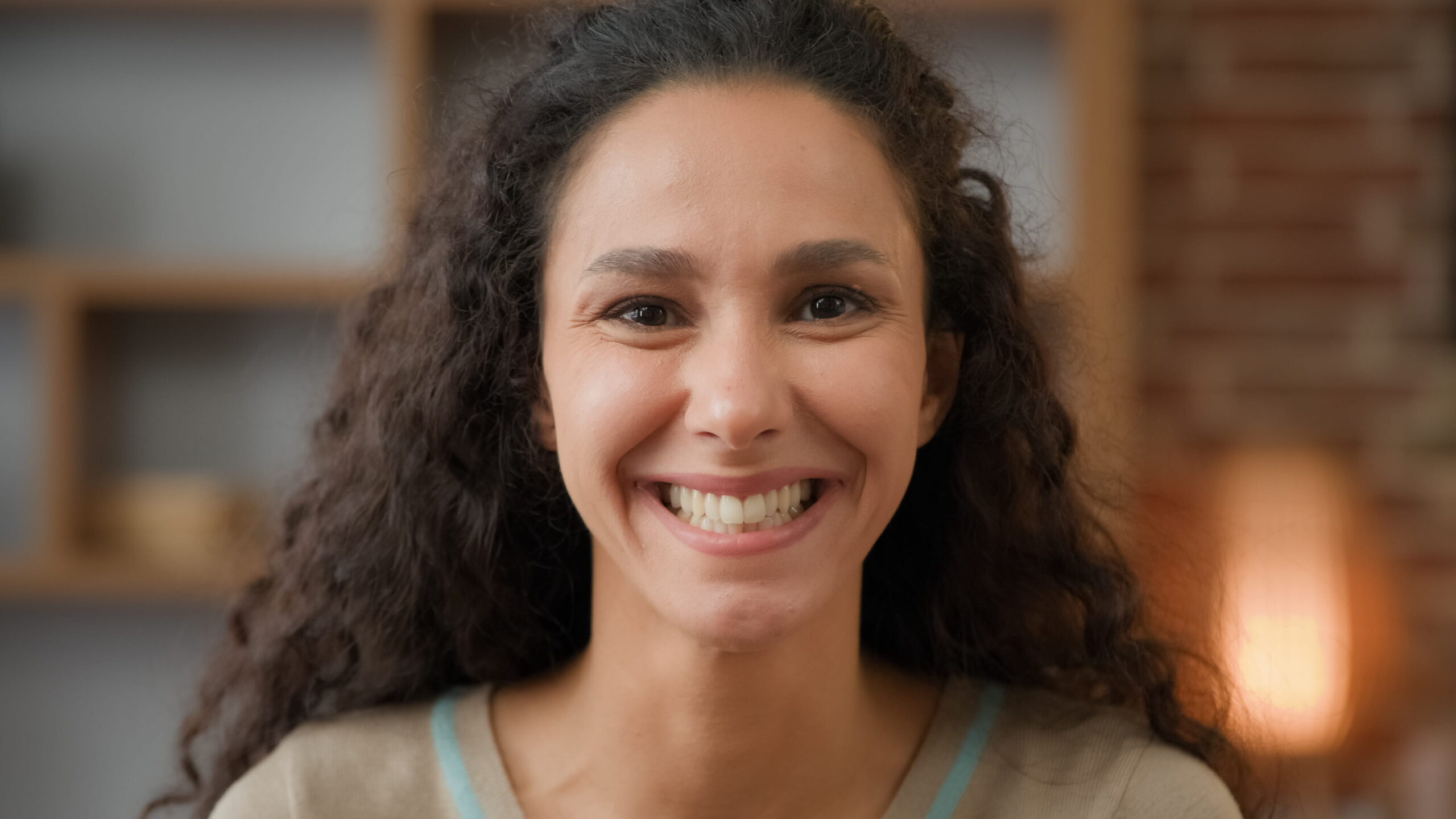
Cosmetic dentistry isn’t one-size-fits-all, and age plays a real role in which treatments make the most sense for your smile. A 25-year-old dealing with coffee stains and a 60-year-old dealing with decades of wear, old fillings, and thinning enamel are working with very different starting points, even if both are simply looking to feel more confident about their smile. At Murray Scholls Family Dental in Beaverton, OR, Dr. Scott Walker and his team tailor cosmetic treatment plans based on where your teeth actually are, not just what you’d like them to look like.
Younger Adults: Building a Foundation with Minimal Intervention
Patients in their twenties and thirties typically have healthier enamel and less cumulative wear, which means many cosmetic concerns at this age are surface-level: staining from coffee, tea, or tobacco, minor gaps, or slightly uneven edges. This is often the ideal window for teeth whitening, since KöR Teeth Whitening Treatments work by improving how teeth absorb oxygen, allowing the whitening formula to penetrate enamel and dissolve built-up stains. Because enamel hasn’t been compromised by decades of grinding or old dental work, whitening results tend to be dramatic and long-lasting.
Tooth bonding is also a strong option at this stage. Bonding uses a resin to close minor gaps, lighten stains, or correct slightly crooked teeth, and because it’s typically completed in a single visit, it appeals to patients who want a quick cosmetic improvement without committing to a multi-step process. Bonding generally lasts three to five years, which fits well for younger patients who may want to reassess their smile goals again down the road.
Adults in Their Thirties and Forties: Addressing Alignment and Wear
By this stage, many patients are dealing with more than surface stains. Years of minor grinding, old orthodontic relapse, or teeth that were never quite straightened in adolescence become more noticeable. This is where Invisalign often enters the conversation. Dr. Walker and his team are Preferred providers for Invisalign in Beaverton, and the clear aligner system effectively treats crowding, spacing, misalignment, overbite, and underbite, without the metal brackets that some adult patients want to avoid for professional or social reasons. Because the trays are removable, patients can continue eating normally and keep up with brushing and flossing exactly as before.
This age group is also where porcelain veneers become more relevant. If chips, cracks, or years of minor wear have started to change the shape or evenness of the front teeth, veneers, thin porcelain shells bonded to the front of the tooth, can correct unevenness, staining, and minor structural issues in a way that whitening alone can’t. Veneers require three visits: a consultation, an impression appointment, and a final bonding appointment, and once placed, they’re highly resistant to future staining from coffee, tea, or tobacco, which is a meaningful advantage for patients who’ve already dealt with stubborn stains once.
Adults in Their Fifties and Beyond: Working Around Existing Dental History
By the time patients reach their fifties, sixties, and beyond, cosmetic goals rarely exist in isolation from other dental history. Many patients in this age range already have crowns, old fillings, or bridges, and any cosmetic plan needs to account for that existing work. Whitening, for instance, only affects natural tooth enamel, not crowns or composite fillings, so a patient with visible dental work in their smile line needs a plan that considers how whitening natural teeth will affect the color match with existing restorations.
This is often where bonding and veneers do double duty, cosmetic and restorative. A veneer placed over a tooth with minor wear or an old chip isn’t just about appearance, it’s also protecting a tooth that has already been through decades of use. Similarly, patients considering Invisalign later in life are often doing so not purely for aesthetics but because shifting teeth, sometimes caused by years of missing teeth elsewhere in the mouth, have started to affect their bite. Because Invisalign has no upper age limit, it remains a viable option for adult patients well into their senior years, provided the surrounding gum and bone health can support tooth movement.
Why the Starting Point Matters More Than the Number
The real variable isn’t age itself; it’s what your teeth have been through. A 50-year-old who has maintained excellent oral hygiene and has minimal restorative work may have more options open to them than a 30-year-old who has several old fillings and a history of grinding. This is why every cosmetic consultation at Murray Scholls Family Dental starts with a real look at your current dental condition, not an assumption based on your age bracket.
Getting an Honest Assessment
If you’re wondering whether whitening, bonding, veneers, or Invisalign make the most sense for your smile at this stage of life, the answer depends on your teeth’s specific history far more than your birthdate. Dr. Walker can walk you through what’s realistic, what will last, and how your existing dental work factors into the plan.
To schedule a cosmetic dentistry consultation at Murray Scholls Family Dental in Beaverton, OR, call 971-405-7535 or request an appointment online.
Recent Posts
October 27, 2026
Immediate Implants After Tooth Extraction: Can You Get One the Same Day?

October 22, 2026
Crown or Filling Fell Out? What to Do Before Your Dentist Visit
October 14, 2026
How Does Diabetes Change What Happens at Your Dental Visits?
October 12, 2026
Your Cosmetic Dental Results: How Long They Really Last
October 7, 2026