503-590-7574

Blog
How Long Do You Actually Wear Invisalign?
May 13, 2025
Invisalign
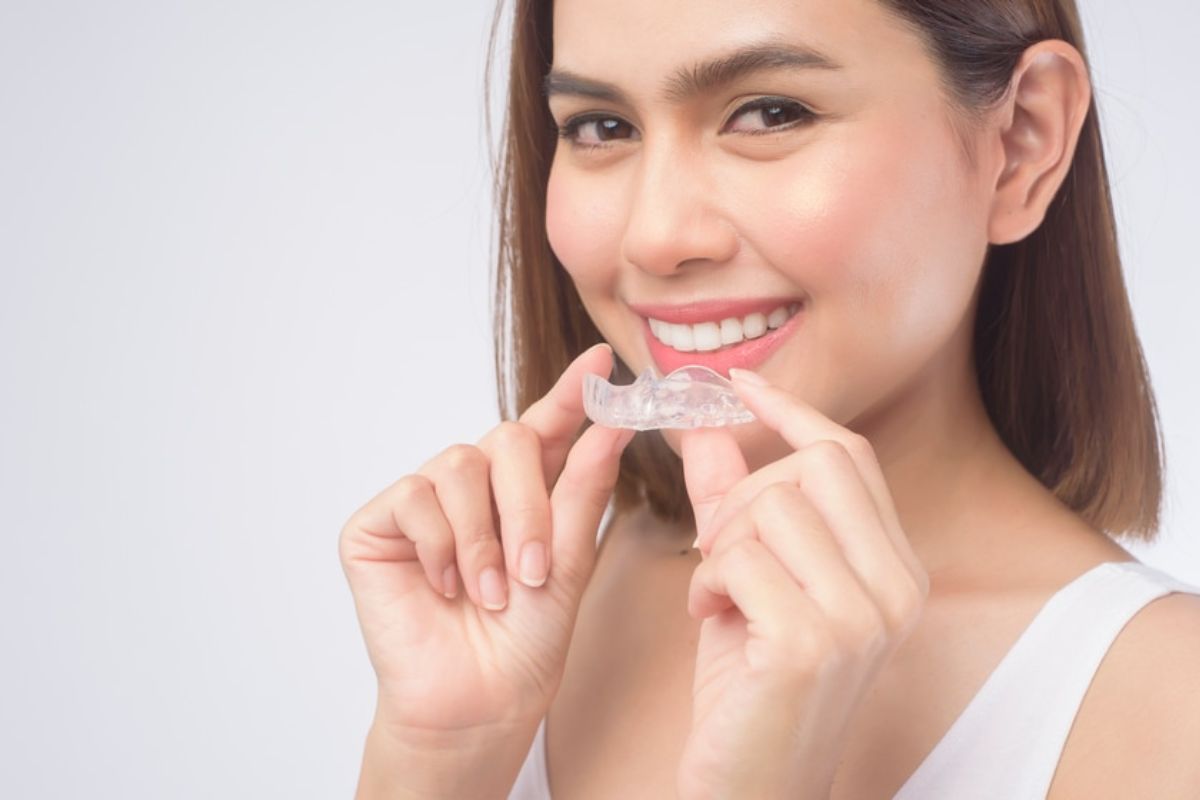
If you’re considering straightening your teeth with Invisalign, you probably wonder how long the process takes. Invisalign has become a go-to solution for teens and adults who want a discreet, comfortable alternative to braces. But like any orthodontic treatment, the time frame depends on several factors, including your specific alignment issues, how often you wear the aligners, and overall dental health.
The Average Timeline for Invisalign Treatment
Most patients complete their Invisalign treatment in 12 to 18 months. Some notice results in as little as six months, while those with more complex cases may need up to two years. Unlike traditional braces that stay fixed in place, patients can remove Invisalign aligners when needed. That’s both a benefit and a responsibility.
Wear your aligners 20 to 22 hours per day to keep on track with your treatment and get the optimum outcomes. Removing them for extended periods can delay your progress. Consistency is key—slipping up on wear time can stretch your treatment longer than expected.
If you’re looking for an Invisalign dentist in Beaverton, choose someone who can customize a treatment plan and guide you through each stage with clarity and care.
What Influences Your Invisalign Treatment Duration?
Several factors determine how long you’ll wear Invisalign:
1. Severity of Alignment Issues
Mild crowding or spacing can be corrected faster than significant bite misalignments like overbites, underbites, or crossbites. Your dentist will evaluate your teeth and create a digital treatment plan to estimate the timeline.
2. Patient Compliance
Invisalign only works if you wear the trays as instructed. That means 20 to 22 hours daily—removing them only to eat, drink anything besides water, and brush or floss. Missing hours here and there can add weeks or even months to your timeline.
3. Age and Bone Density
Because their jawbones are still developing, younger patients typically achieve results more quickly. Adults can benefit from Invisalign, but treatment may take longer depending on bone density and gum health.
4. Attachment Use
Dentists bond small, tooth-colored attachments to some patients’ teeth to improve the aligners’ grip and enhance tooth movement. These attachments can help speed up complex movements and improve overall alignment.
5. Refinements
At the end of your initial plan, your Invisalign provider may recommend refinements—extra trays to perfect your alignment. These are common and often add a few more weeks to your overall treatment.
What Happens After Invisalign Treatment?
After you complete your Invisalign treatment, you need to wear a retainer to keep your teeth in their new position. Most people start with full-time wear, eventually transitioning to nighttime use only. Skipping this step risks undoing all your hard work.
Tips to Stay on Track
- Stick to the 20-22 hour daily wear time.
- Clean your aligners properly to avoid buildup and odor.
- Change trays on time as prescribed by your dentist.
- Attend all check-ins and follow your provider’s instructions.
Staying disciplined helps you finish your treatment on schedule—and keeps your smile on track.
Final Thoughts
Invisalign offers flexibility, comfort, and a nearly invisible appearance. While treatment time varies from person to person, staying consistent and working with an experienced provider can keep you on schedule. Straightening your smile doesn’t happen overnight, but with dedication, Invisalign delivers predictable, lasting results.
Visit our dental office to schedule your Invisalign consultation and get started on your journey to a healthier, straighter smile today.
Recent Posts
August 18, 2026
Can Veneers Fix Gapped or Uneven Teeth?

August 13, 2026
Can Veneers Stain? What to Know About Coffee, Tea, and Wine

August 6, 2026
Best Dentist for Kids Near Beaverton, OR: What to Look For

July 29, 2026
7 Signs You Need a Dental Implant (And What to Do Next)
July 21, 2026