503-590-7574

Blog
Are Whitening Strips Safe For Your Teeth?
May 9, 2024
Teeth Whitening

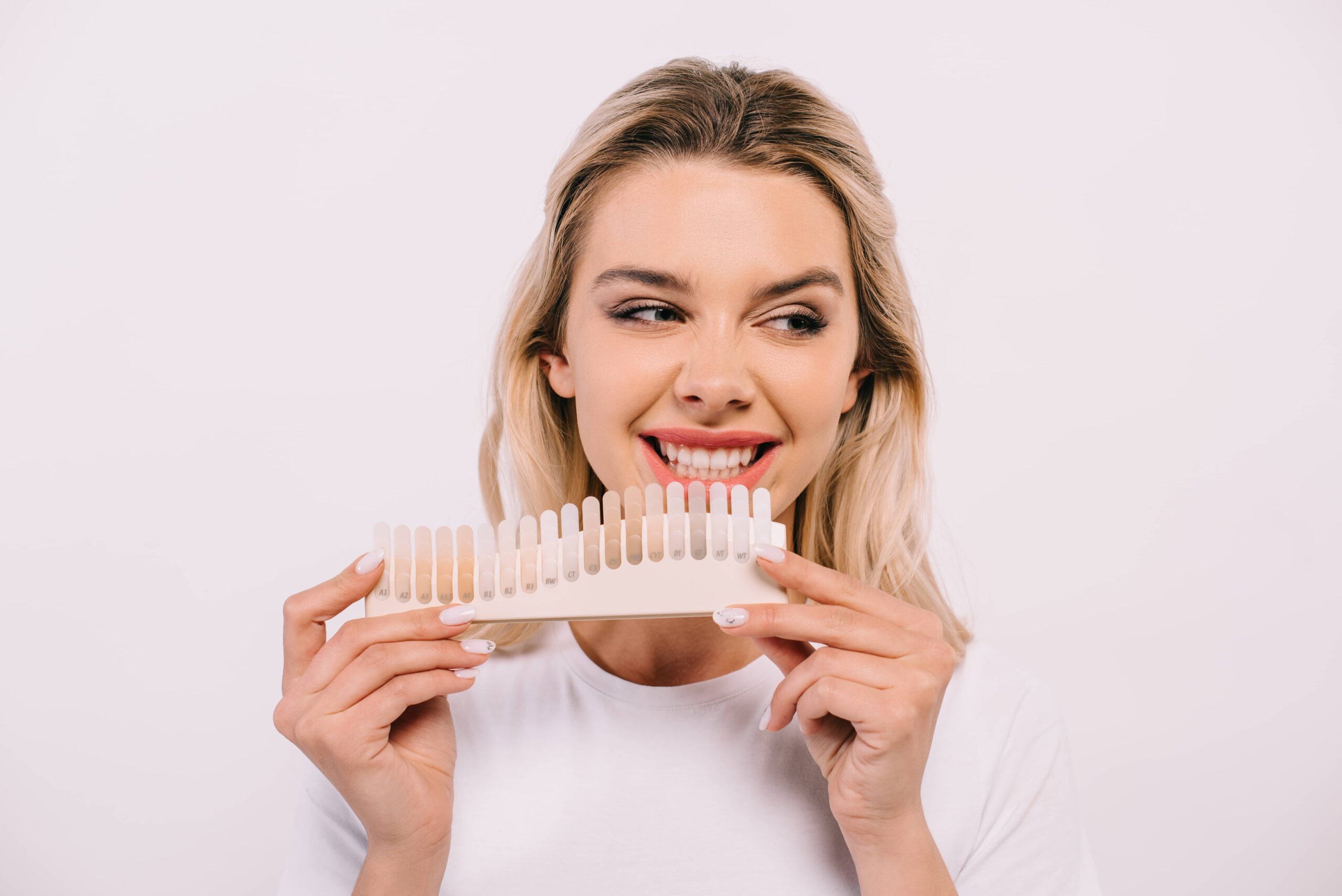
A gleaming smile is often associated with confidence and beauty. No wonder teeth whitening treatments have become so popular! Whitening strips, a convenient at-home option, offer a tempting solution for achieving a brighter smile. But before you stock up on these strips, a crucial question arises: are they safe for your teeth?
The Power of Whitening Strips:
Teeth whitening strips are thin, flexible adhesives coated with a bleaching agent, typically hydrogen peroxide or carbamide peroxide. When applied to your teeth, the peroxide breaks down stain molecules, resulting in a whiter appearance.
Safety Considerations:
While generally safe for most people when used correctly, there are some potential downsides to consider:
- Tooth Sensitivity: The most common side effect is increased tooth sensitivity, especially during the initial stages of treatment. This sensitivity usually subsides after a few days.
- Gum Irritation: Some people may experience mild gum irritation, particularly if the strips come into contact with the gums. Using strips for the recommended time and proper application can help minimize this risk.
- Uneven Results: Whitening strips may not whiten all teeth uniformly. Teeth with deeper stains or restorations might not respond as well to the treatment.
Factors Affecting Safety:
The safety of whitening strips depends on several factors:
- Ingredients: Hydrogen peroxide and carbamide peroxide are the most common whitening agents, with hydrogen peroxide generally considered more potent. Choose strips with a concentration appropriate for your sensitivity level.
- Application: Using the strips correctly is crucial. Follow the manufacturer’s instructions on application time and frequency. Applying them for longer than recommended can increase the risk of sensitivity.
- Overall Oral Health: If you have pre-existing dental problems like cavities, gum disease, or exposed tooth roots, consult your dentist before using whitening strips.
Alternatives to Whitening Strips:
If whitening strips seem too harsh, consider these alternatives:
- Whitening Toothpaste: Many toothpastes contain mild abrasives and low-concentration peroxide to remove surface stains. They offer a more gradual whitening effect.
- Professional Whitening: For the most dramatic and even results, consult your cosmetic dentist in Beaverton for professional whitening treatments. These treatments use higher concentrations of peroxide and can be customized for your specific needs.
Maximizing Safety and Effectiveness:
These pointers can help you use whitening strips in a safe and efficient manner:
- Consult Your Dentist: Before starting any whitening treatment, talk to your dentist. They can assess your oral health and advise on the best whitening option for you.
- Follow Instructions Carefully: Read and follow the manufacturer’s instructions on application time and frequency. Don’t use the strips for longer than recommended.
- Maintain Good Oral Hygiene: Brushing and flossing regularly before and after whitening treatment is crucial.
- Take Breaks: Consider taking breaks during your whitening regimen to minimize tooth sensitivity.
FAQ – Whitening Strips
Q: How long do whitening strips results last?
A: The results of whitening strips can last anywhere from a few months to a year, depending on your individual habits like coffee or tea consumption and your overall oral hygiene routine.
Q: Can I use whitening strips if I have sensitive teeth?
A: There are whitening strips formulated for sensitive teeth with lower peroxide concentrations. Consult your dentist for recommendations on suitable options.
Q: Are whitening strips safe for pregnant or breastfeeding women?
A: The safety of whitening strips during pregnancy or breastfeeding is not definitively established. It’s best to consult your doctor before using any whitening products.
Q: Will whitening strips damage my dental restorations like crowns or veneers?
A: Whitening strips typically don’t whiten dental restorations. This can lead to a noticeable color difference between your natural teeth and restorations. Discuss options with your dentist for whitening these restorations if desired.
Conclusion:
Whitening strips can be a safe and effective way to achieve a brighter smile at home. However, it’s crucial to prioritize your oral health and use them with caution. Consulting your dentist before starting any whitening treatment and choosing strips appropriate for your sensitivity level will ensure a safe and successful journey to a brighter smile.
Recent Posts
August 18, 2026
Can Veneers Fix Gapped or Uneven Teeth?

August 13, 2026
Can Veneers Stain? What to Know About Coffee, Tea, and Wine

August 6, 2026
Best Dentist for Kids Near Beaverton, OR: What to Look For

July 29, 2026
7 Signs You Need a Dental Implant (And What to Do Next)
July 21, 2026