503-590-7574

Blog
KöR Whitening vs. Traditional Methods: A Comparative Analysis
January 24, 2024
Cosmetic Dentistry
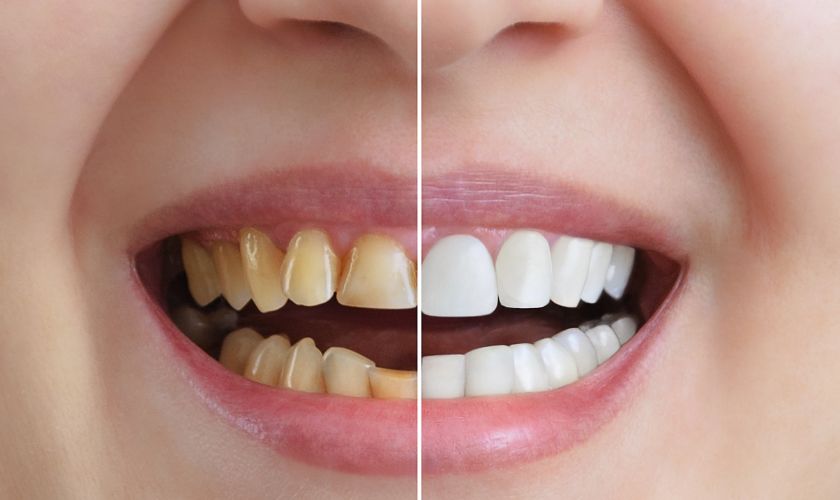
A bright, radiant smile is often considered a key element of a person’s overall appearance. As advancements in cosmetic dentistry continue to evolve, individuals seeking teeth whitening solutions are faced with a multitude of options. Among these, KöR Whitening has emerged as a popular choice, offering a unique approach to teeth whitening compared to traditional methods. In this article, we will delve into the comparative analysis of KöR Whitening and traditional whitening methods, exploring the benefits and considerations for those looking to enhance their smiles in the context of Cosmetic Dentistry in Beaverton.
Understanding KöR Whitening:
KöR Whitening is a revolutionary teeth whitening system that utilizes a combination of in-office and at-home treatments. Unlike traditional methods, KöR Whitening tackles both intrinsic and extrinsic stains, making it a comprehensive solution for a wider range of discoloration issues.
The process begins with an in-office treatment, where a specially formulated KöR Whitening gel is applied to the teeth. This is followed by a two-week at-home maintenance program, ensuring the longevity of the results. KöR Whitening is known for its ability to rejuvenate even deep-seated stains, providing patients with a consistently brighter and natural-looking smile.
Advantages of KöR Whitening:
- Deep Stain Removal: KöR Whitening is designed to target deep-seated stains caused by factors such as aging, certain medications, or fluorosis. This makes it particularly effective for patients with stubborn discoloration issues.
- Reduced Sensitivity: One common concern with traditional whitening methods is tooth sensitivity. KöR Whitening, however, is formulated with desensitizers to minimize sensitivity, ensuring a comfortable experience for patients.
- Long-Lasting Results: KöR Whitening’s at-home maintenance program contributes to the longevity of results, allowing patients to enjoy their brighter smiles for an extended period.
- Comprehensive Whitening: Traditional methods may not always address intrinsic stains effectively. KöR Whitening’s unique formulation makes it a more comprehensive solution for a broader range of staining issues.
Traditional Whitening Methods:
Traditional teeth whitening methods typically involve the use of hydrogen or carbamide peroxide-based gels applied to the teeth, often activated by a light source. While these methods have been widely used and can provide noticeable results, they may not be as effective in addressing certain types of stains.
Considerations for Cosmetic Dentistry in Beaverton:
- Patient-specific Needs: Every patient is unique, and their teeth whitening needs may vary. Cosmetic Dentistry in Beaverton emphasizes the importance of considering individual factors such as the severity and type of stains when choosing a whitening method.
- Budgetary Constraints: Traditional whitening methods may be more budget-friendly for some patients, while others may prioritize the long-term benefits and comprehensive approach offered by KöR Whitening.
- Professional Guidance: Seeking advice from a cosmetic dentist is crucial in determining the most suitable whitening method. A qualified professional can assess the patient’s oral health, discuss their goals, and recommend the best approach for achieving the desired results.
Conclusion:
In the realm of Cosmetic Dentistry in Beaverton, the choice between KöR Whitening and traditional methods ultimately boils down to individual preferences, specific needs, and budget considerations. While traditional methods remain effective for many patients, KöR Whitening stands out as a cutting-edge solution, providing comprehensive and long-lasting results for those seeking a radiant, confident smile. Before making a decision, it is advisable to consult with a cosmetic dentist who can guide individuals toward the most suitable whitening option based on their unique circumstances.
Recent Posts
August 18, 2026
Can Veneers Fix Gapped or Uneven Teeth?

August 13, 2026
Can Veneers Stain? What to Know About Coffee, Tea, and Wine

August 6, 2026
Best Dentist for Kids Near Beaverton, OR: What to Look For

July 29, 2026
7 Signs You Need a Dental Implant (And What to Do Next)

July 21, 2026