503-590-7574

Blog
The Link Between Periodontal Disease and Heart Health: What Science Says
August 4, 2025
Periodontal disease
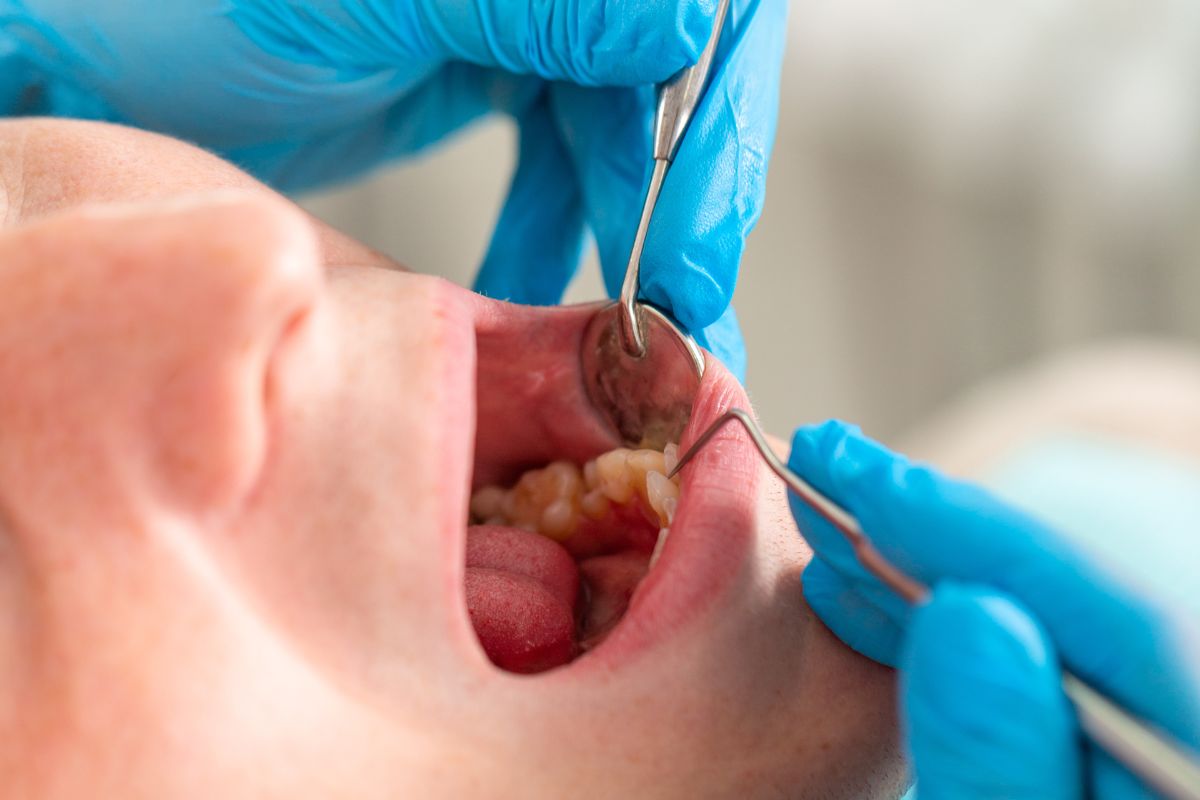
Did you know your gums might say more about your health than you think? For years, dentists and physicians have studied the connection between periodontal disease and heart health, and growing research continues to support a powerful link between the two. While brushing and flossing are often seen as basic routines, neglecting your gum health can affect much more than your smile.
How Gum Disease May Impact Your Heart
Periodontal disease is a chronic inflammatory condition affecting the gums and bones supporting teeth. Left untreated, it can lead to tooth loss and severe oral infections. But what’s startling is its potential role in cardiovascular disease, including heart attacks and strokes.
Researchers believe that inflammation triggered by gum disease doesn’t stay confined to the mouth. The bacteria responsible for gum infections can enter the bloodstream, travel to other parts of the body, and cause inflammation in blood vessels. This may contribute to plaque buildup in arteries, a key risk factor for heart attacks and other cardiovascular conditions.
The Science Behind the Connection
Inflammation is a common factor in both gum disease and heart disease. When the body constantly fights off harmful oral bacteria, it produces a response that could damage the vascular system.
That’s why restorative dentistry doesn’t just aim to repair smiles—it plays a vital role in reducing bacterial load and inflammation, which may lower your risk of systemic complications, including cardiovascular disease.
According to the Centers for Disease Control and Prevention (CDC), nearly half of adults over 30 have some form of periodontal disease. Meanwhile, heart disease remains the leading cause of death in the United States. The overlap is too significant to ignore.
Signs You Shouldn’t Ignore
You may not realize you have gum disease until it becomes severe. Here are early warning signs to look out for:
- Red, swollen, or bleeding gums
- Persistent bad breath
- Receding gums or loose teeth
- Pain when chewing
If you experience these symptoms, don’t delay scheduling a dental check-up. Early detection and treatment can make a significant difference—not just for your smile but also for your heart.
Who Is Most at Risk?
People with certain risk factors should pay extra attention to their oral health:
- Smokers
- Diabetics
- Individuals with a family history of heart disease
- People over the age of 40
- Those with poor oral hygiene habits
If you fall into these groups, discuss preventive care and periodontal treatment options with your dentist.
What You Can Do Right Now
Here are some actionable steps to protect your gum and heart health:
- Brush your teeth twice daily with fluoride toothpaste
- Floss daily to remove plaque between teeth
- Visit your dentist every six months for routine cleanings and checkups.
- Avoid tobacco products
- Eat a heart-healthy diet rich in vegetables, fruits, and lean proteins
- Manage chronic conditions like diabetes and high blood pressure
By caring for your oral health, you also protect one of your most vital organs—your heart.
Take the Next Step Toward Better Health
At our Beaverton dental office, we believe that caring for your gums is caring for your whole body. If you’re experiencing any signs of gum disease or haven’t had a checkup in a while, we’re here to help. Our experienced dental team is committed to providing personalized care that supports both oral and heart health. Call us to schedule your periodontal screening. Your smile—and your heart—deserve expert care.
Recent Posts

August 18, 2026
Can Veneers Fix Gapped or Uneven Teeth?

August 13, 2026
Can Veneers Stain? What to Know About Coffee, Tea, and Wine

August 6, 2026
Best Dentist for Kids Near Beaverton, OR: What to Look For

July 29, 2026
7 Signs You Need a Dental Implant (And What to Do Next)

July 21, 2026