503-590-7574

Blog
Transform Your Smile with Tooth Bonding: A Comprehensive Guide
September 28, 2023
Uncategorized

Are you tired of hiding your smile because of chipped, cracked, or discolored teeth? Do you dream of having a picture-perfect smile that radiates confidence and vitality? Look no further than tooth bonding! This simple yet effective cosmetic dental procedure can transform your smile and give you the confidence to show off those pearly whites.
In this comprehensive guide, we’ll dive deep into the world of tooth bonding. From how it works to its numerous benefits and common dental issues that can be fixed with it, we’ll cover everything you need to know. So, get ready to say goodbye to imperfections and hello to a stunning new smile! Let’s get started on our journey towards dental perfection.
How Does Tooth Bonding Work?
Tooth bonding is a popular cosmetic dental procedure that can transform your smile and give you the confidence you’ve always wanted. But how does it work? Let’s take a closer look.
First, the dentist will start by preparing your tooth for bonding. They will clean and dry the surface of the tooth before applying a conditioning liquid. This helps to roughen up the surface of the tooth so that the bonding material adheres better.
Next, the dentist will apply a putty-like resin material to your tooth. They will carefully shape and mold it to achieve the desired result, whether it’s filling in chips or gaps, reshaping uneven teeth, or covering up stains.
Once they are satisfied with the shape and appearance of the bonded material, they will use a special light to harden it. This process usually takes just a few minutes per tooth.
Afterward, they may do some final adjustments and polishing to ensure that everything looks natural and seamless. The end result is a beautiful smile transformation that looks completely natural!
Tooth bonding involves applying a resin material to your teeth and shaping it to improve their appearance. It’s quick, painless, and can fix various dental issues like chips, gaps, discoloration or misshapen teeth. So if you’re looking for an affordable way to enhance your smile without invasive procedures like veneers or braces., consider tooth bonding as an option!
Benefits of Tooth Bonding
Tooth bonding is a simple and effective dental procedure that offers several benefits for those looking to transform their smile. One of the main advantages of tooth bonding is its ability to repair and enhance the appearance of teeth in just one visit to the dentist.
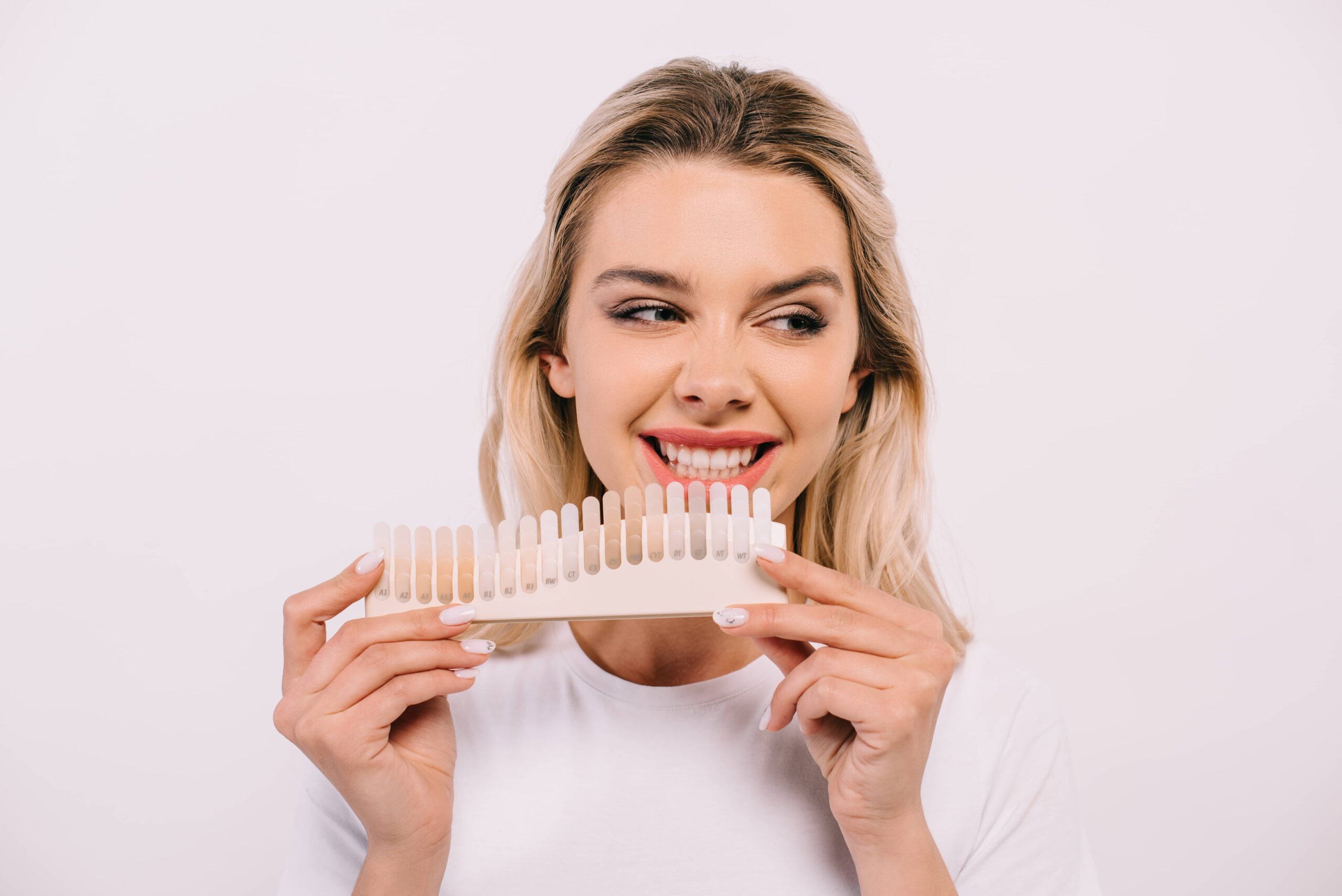
One major benefit of tooth bonding is its versatility. It can be used to address various dental issues, such as chipped or cracked teeth, gaps between teeth, discoloration, and even misshapen teeth. The composite resin used in tooth bonding is matched to your natural tooth color, ensuring a seamless blend with your existing teeth.
Another advantage of tooth bonding is that it requires minimal enamel removal compared to other procedures like veneers or crowns. This means less damage to your natural teeth while still achieving remarkable results.
Furthermore, tooth bonding is a non-invasive procedure that typically does not require anesthesia unless there are underlying issues. This makes it an ideal option for those who may have dental anxiety or fear needles.
In addition to being relatively quick and painless, tooth bonding provides immediate results. Once the composite resin has been applied and shaped by your dentist, it will be hardened using a special light before being polished for a smooth finish. You’ll leave the dental office with an improved smile right away!
The benefits of tooth bonding make it an attractive choice for individuals seeking a cost-effective and efficient way to enhance their smiles without extensive procedures or multiple visits. If you’re looking for an easy solution that delivers noticeable results quickly, consider exploring what tooth bonding can do for you!
Common Dental Issues That Can Be Fixed with Tooth Bonding
Tooth bonding is a versatile dental procedure that can address various cosmetic issues, helping you achieve a beautiful smile. Whether you’re dealing with chipped, cracked, or discolored teeth, tooth bonding may be the solution you’ve been looking for.
One common issue that can be fixed with tooth bonding is chips and cracks. Small chips and minor cracks in your teeth can not only affect their appearance but also make them more vulnerable to further damage. With tooth bonding, composite resin material is applied to the affected area and sculpted into shape. This helps restore the integrity of your teeth while improving their overall aesthetics.
Another dental problem that tooth bonding can effectively address is discoloration or staining. If you have stubborn stains on your teeth that cannot be removed through regular whitening methods, tooth bonding offers an excellent alternative. The dentist will carefully match the color of the composite resin to your natural tooth shade and apply it to cover up any discoloration, leaving you with a brighter and more uniform smile.
Gaps between teeth are another issue that people often seek treatment for. Tooth bonding can help close these gaps by applying composite resin between the teeth to create a seamless appearance.
Additionally, if you have unevenly shaped or excessively small teeth that are affecting your smile’s harmony, tooth bonding can provide an effective solution. By adding layers of composite resin material to reshape or lengthen your teeth, dentists can give you a more balanced and proportionate smile.
Tooth bonding is a minimally invasive procedure compared to other alternatives like veneers or crowns. It requires no extensive preparation or removal of existing enamel from your natural teeth—making it less time-consuming and preserving as much of your natural tooth structure as possible.
Remember: maintaining good oral hygiene practices such as regular brushing, flossing, and professional cleanings will help prolong the longevity of bonded teeth!
The Procedure: What to Expect
When it comes to tooth bonding, many people may wonder what the procedure entails and what they can expect. Well, let’s walk through it step by step!
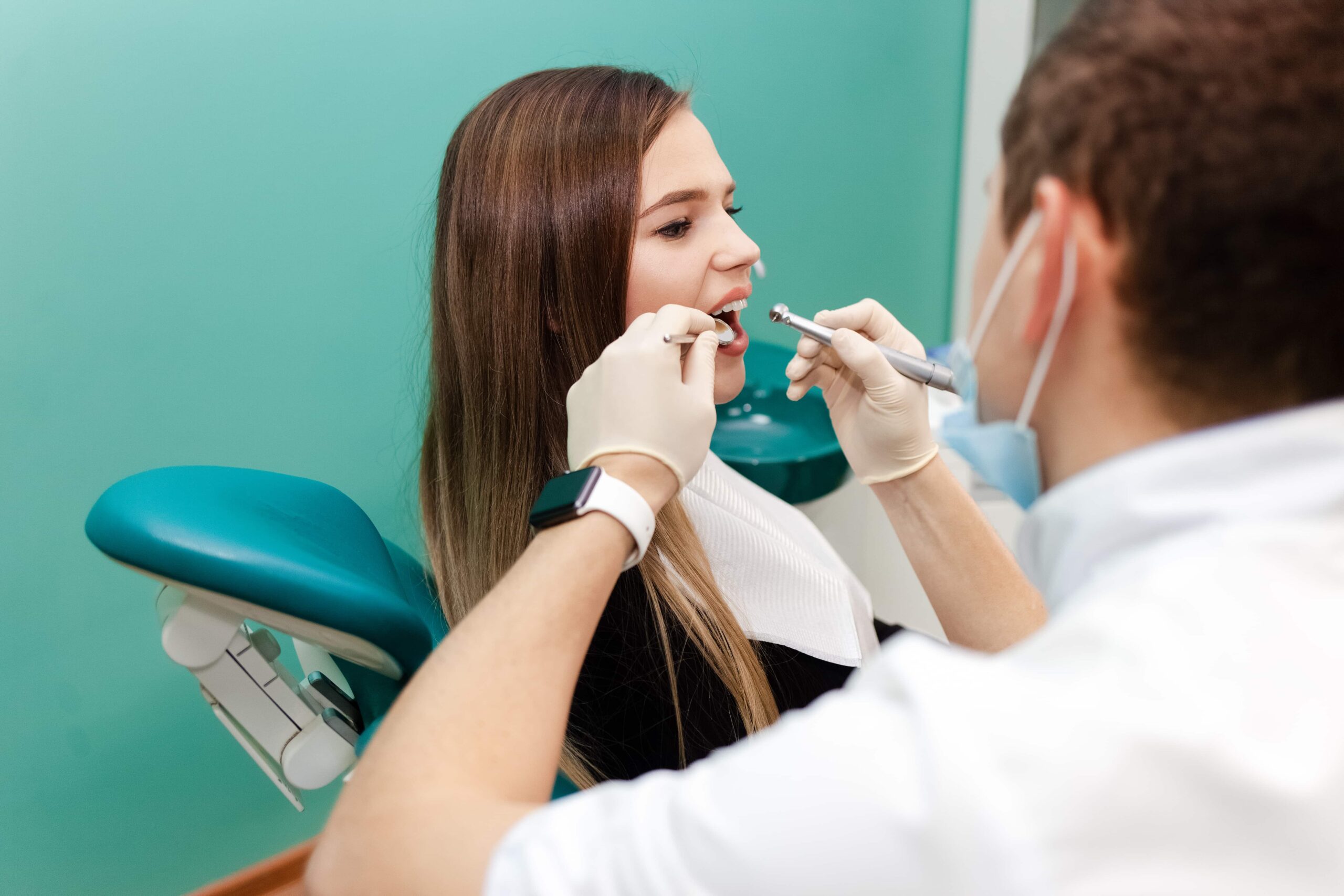
First things first, you’ll schedule a consultation with your dentist. During this initial appointment, your dentist will examine your teeth and determine if tooth bonding is the right solution for you. If so, they will discuss the process in detail and address any questions or concerns you may have.
Once you’re ready to proceed, the actual bonding procedure begins. Your dentist will start by applying a mild etching solution to roughen up the surface of your tooth slightly. This helps create a stronger bond between the resin material and your natural tooth enamel.
Next, your dentist will carefully apply layers of composite resin onto your tooth. They will shape and mold it until it matches the desired appearance. This is where their artistic skills really come into play! They’ll ensure that the color and shape blend seamlessly with your surrounding teeth.
After shaping the resin material, a special light is used to harden it quickly. Once hardened, any necessary adjustments are made to perfect its look and feel.
Once everything looks just right, your dentist will polish and buff the bonded tooth for a smooth finish that matches beautifully with your other teeth.
And that’s it! The entire procedure typically takes about 30 minutes to an hour per tooth depending on complexity. It’s generally painless with little or no need for anesthesia unless there are existing dental issues being addressed simultaneously.
In our next section we’ll discuss aftercare tips because taking care of those newly bonded teeth is important! So stay tuned!
Aftercare and Maintenance Tips
Once you’ve undergone tooth bonding and achieved your desired smile transformation, it’s important to take proper care of your bonded teeth to ensure their longevity. Here are some aftercare and maintenance tips to keep in mind:
- Good Oral Hygiene: Maintaining a regular oral hygiene routine is essential for the health of your bonded teeth. Brushing twice a day with a soft-bristled toothbrush and using fluoride toothpaste will help remove plaque buildup and prevent cavities.
- Avoid Staining Substances: While composite resin used in tooth bonding is resistant to staining, it’s still important to avoid excessive consumption of coffee, tea, red wine, or tobacco products as they can cause discoloration over time.
- Be Mindful of Your Diet: Certain foods like hard candies or ice can potentially damage the bond between the resin material and your natural teeth. It’s best to avoid biting on hard objects or excessively chewing sticky foods that could dislodge the bonded material.
- Regular Dental Check-ups: Schedule regular visits with your dentist for professional cleanings and check-ups. They can monitor the condition of your bonded teeth and make any necessary adjustments or repairs if needed.
- Protect Your Teeth During Physical Activities: If you participate in contact sports or activities that pose a risk of dental injury, consider wearing a mouthguard to protect both your natural teeth and bonded restorations.
By following these aftercare tips, you can maintain the beauty and integrity of your newly transformed smile through tooth bonding!
Alternative Options for Smile Transformation
In addition to tooth bonding, there are several other options available for transforming your smile. Each option has its own unique benefits and considerations, so it’s important to discuss these with your dentist or orthodontist to determine the best choice for you.
One popular alternative is dental veneers. These thin porcelain shells are custom-made to fit over the front of your teeth, creating a natural-looking and durable solution. Veneers can correct a wide range of cosmetic issues, including discoloration, misalignment, gaps between teeth, and even chipped or worn-down enamel.
Another option is orthodontic treatment using clear aligners such as Invisalign. This method involves wearing a series of virtually invisible aligners that gradually shift your teeth into their desired position. Clear aligners offer the advantage of being removable and discreet while still achieving effective results.
For more severe cases of misalignment or jaw issues, traditional braces may be necessary. Braces use brackets and wires to apply gentle pressure on the teeth over time, bringing them into proper alignment.
Teeth whitening treatments also provide an alternative way to enhance your smile by removing stains and brightening your teeth several shades lighter. Whether done in-office by a professional or at home with take-home kits prescribed by your dentist, this simple procedure can make a noticeable difference in the appearance of your smile.
The best approach will depend on individual factors such as budgetary concerns, severity of dental issues present, personal preferences regarding aesthetics and convenience. Consulting with a dental professional will help ensure you select the most suitable option for achieving the smile transformation you desire without compromising oral health.
Tooth bonding is a versatile and effective cosmetic dentistry that can transform your smile and boost your confidence. Whether you have chipped teeth, gaps between your teeth, or discoloration that just won’t go away, tooth bonding may be the solution you’re looking for.
By using a composite resin material that matches the color of your natural teeth, dentists can reshape and repair damaged teeth with precision. The procedure is relatively quick and painless, making it an attractive option for those who want immediate results without extensive dental work.
One of the greatest benefits of tooth bonding is its affordability compared to other cosmetic treatments like veneers or crowns. Additionally, it requires minimal enamel removal in most cases, preserving the integrity of your natural teeth.
After undergoing tooth bonding, it’s important to maintain good oral hygiene habits such as regular brushing and flossing. Avoid biting on hard objects or foods that could potentially damage the bonded area. It’s also essential to schedule regular check-ups with your dentist to ensure the longevity of your bonded teeth.
While tooth bonding is a fantastic option for many individuals seeking smile transformation, there are alternative treatments available depending on specific needs and preferences. Veneers offer a more permanent solution while providing additional durability against staining and wear over time.
Invisalign braces are another viable choice if misalignment or crookedness is affecting not only the appearance but also the functionality of your smile.
Consulting with a qualified dentist will help determine which treatment option suits you best based on factors such as desired outcome, budget considerations, and overall oral health condition.
So why wait any longer? Take charge of transforming your smile today by exploring all options available – including tooth bonding – under professional guidance from an experienced dental practitioner! Your dream smile awaits!
Remember: A stunning smile not only enhances aesthetics but also contributes to improved self-esteem and overall well-being. Embrace this opportunity for positive change in achieving a smile that you can confidently share with the world.
Recent Posts
August 18, 2026
Can Veneers Fix Gapped or Uneven Teeth?

August 13, 2026
Can Veneers Stain? What to Know About Coffee, Tea, and Wine

August 6, 2026
Best Dentist for Kids Near Beaverton, OR: What to Look For

July 29, 2026
7 Signs You Need a Dental Implant (And What to Do Next)
July 21, 2026