503-590-7574

Blog
What is the Best Method to Whiten Teeth?
April 10, 2024
Teeth Whitening
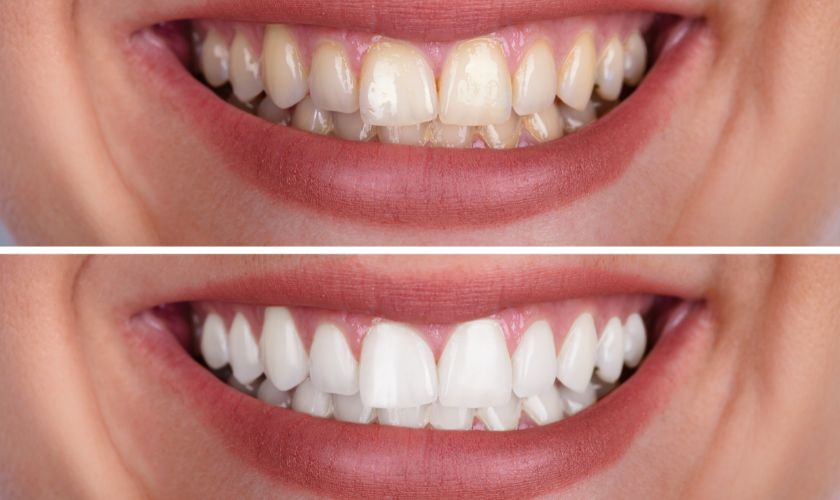
A radiant white grin can rejuvenate your appearance and give you a sense of confidence. But with so many whitening options available, from over-the-counter strips to professional in-office treatments, choosing the best method can be confusing. This blog post will break down the different ways to whiten teeth, helping you find the perfect option for your needs and budget.
Understanding Teeth Whitening:
Before diving into methods, let’s understand how teeth whitening works. Teeth stains can be categorized into two types:
- Surface stains: Caused by consuming staining foods and beverages like coffee, red wine, and berries. These are easier to remove.
- Intrinsic stains: Penetrate deeper into the tooth enamel due to aging, medications, or excessive fluoride. These require stronger whitening agents.
Whitening products typically contain peroxides (carbamide peroxide or hydrogen peroxide) that break down stain molecules, lightening the tooth’s color.
Popular Teeth Whitening Methods:
Now, let’s explore the different ways you can achieve a whiter smile:
In-Office Whitening (Professional Treatments)
In-office whitening offers the most dramatic and quickest results, making it ideal for those seeking a fast turnaround. A dentist applies a concentrated whitening gel and activates it with a special light or laser. This method can whiten teeth by several shades in just one appointment.
Pros:
- Fastest and most effective whitening method
- Dentist supervision ensures safe application
- Good option for stubborn stains
Cons:
- Most expensive option
- Can cause temporary tooth sensitivity
At-Home Whitening Kits
These kits provide a convenient and more affordable way to whiten teeth at home. They typically include custom-fitted trays that hold a whitening gel. You wear the trays for a specific time each day for several weeks.
Pros:
- More affordable than in-office treatments
- Convenient for home use
- Effective for moderate staining
Cons:
- Slower results than in-office treatment
- Requires consistent use for desired outcome
- Trays may cause discomfort for some users
Whitening Toothpaste
Whitening toothpastes contain mild abrasives and low concentrations of peroxide to remove surface stains. They’re a gentle option for maintaining a white smile after professional treatment or for those with mild staining.
Pros:
- Most affordable option
- Easy to incorporate into your daily routine
- Mild whitening effect
Cons:
- Least effective whitening method
- Not suitable for significant whitening needs
Whitening Strips
Whitening strips are thin, flexible adhesives coated with a peroxide-based gel. You apply them directly to your teeth for a set time each day. Strips are a convenient option for moderate whitening needs.
Pros:
- More effective than whitening toothpaste
- Easier to use than at-home trays
- Relatively affordable
Cons:
- May cause gum irritation for some users
- Uneven whitening if strips don’t fit perfectly
Choosing the Right Method for You:
The best whitening method depends on your individual needs and preferences. Consider these factors:
- Desired level of whitening: For a dramatic change, in-office treatment is best. At-home kits and strips are suitable for moderate whitening. Whitening toothpaste offers mild maintenance.
- Sensitivity: If you have sensitive teeth, opt for a gentler method like whitening toothpaste or consult your dentist for a professional option with lower sensitivity.
- Budget: In-office treatments are the most expensive, followed by at-home kits and strips. Whitening toothpaste is the most budget-friendly option.
- Time commitment: In-office treatment offers the quickest results. At-home kits require consistent use for several weeks. Whitening toothpaste provides ongoing maintenance.
Maintaining Your White Smile:
No whitening method is permanent. To maintain your white teeth, practice good oral hygiene by brushing twice daily, flossing regularly, and visiting your dentist for regular checkups and cleanings. Additionally, limit your intake of staining foods and beverages, and consider using a whitening toothpaste for ongoing maintenance.
By understanding the different whitening methods and considering your individual needs, you can achieve a brighter, whiter smile that boosts your confidence and enhances your overall appearance. Remember, consulting your dentist before starting any whitening treatment is essential to ensure it’s safe and appropriate for you.
Recent Posts
August 18, 2026
Can Veneers Fix Gapped or Uneven Teeth?

August 13, 2026
Can Veneers Stain? What to Know About Coffee, Tea, and Wine

August 6, 2026
Best Dentist for Kids Near Beaverton, OR: What to Look For

July 29, 2026
7 Signs You Need a Dental Implant (And What to Do Next)
July 21, 2026