503-590-7574

Blog
What Your Tongue Says About Your Oral Health
April 6, 2026
Dental Care

Have you ever looked in the mirror and noticed a white coating on your tongue that doesn’t seem to go away? Or maybe you’ve experienced persistent bad breath, even after brushing. Changes in your tongue’s color or texture can feel confusing, especially when everything else seems normal.
It’s a common experience, and many people aren’t quite sure what these changes mean or when they should pay closer attention.
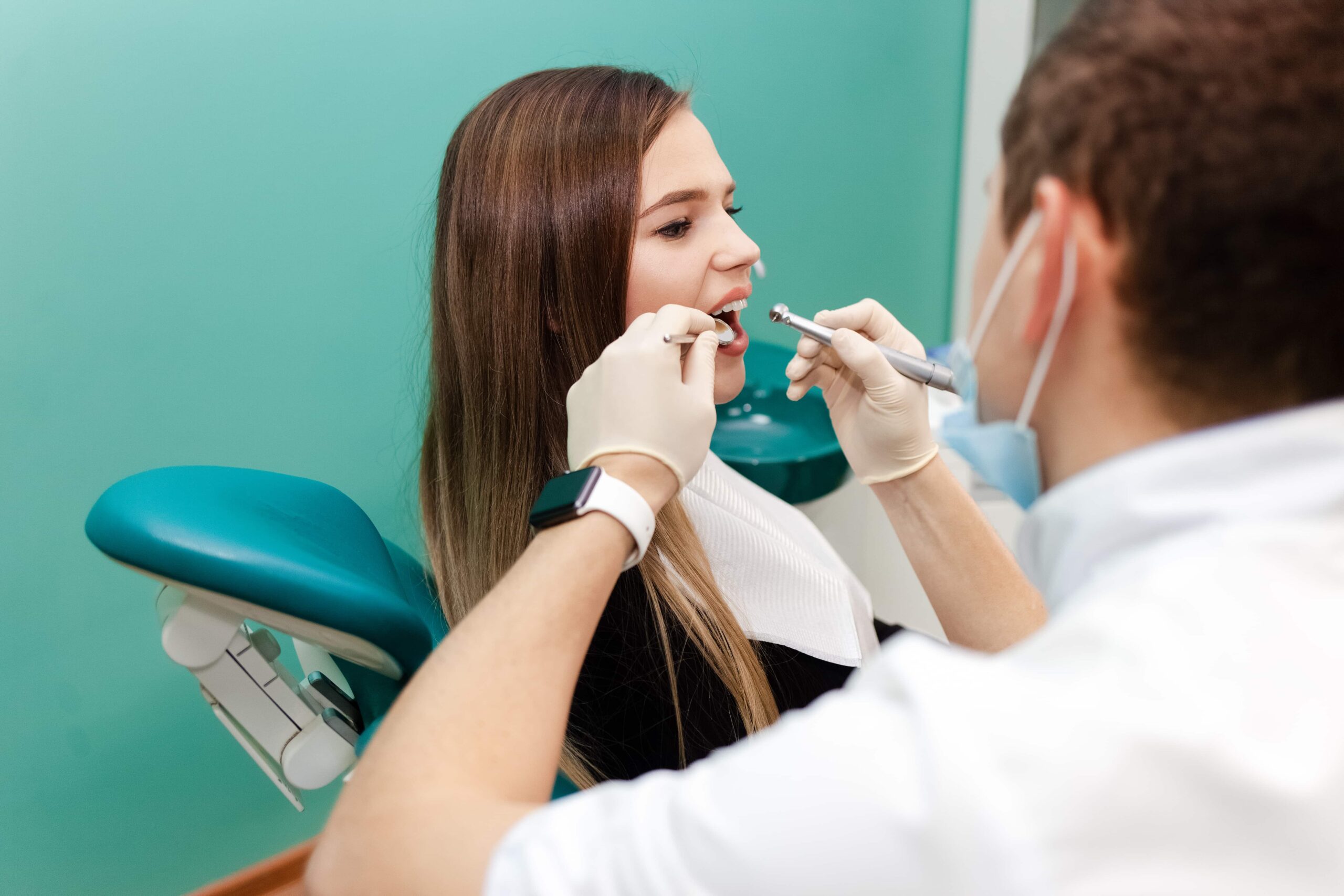
In many cases, your tongue can offer early clues about your oral health. A routine dental visit is often the best way to understand whether these changes are harmless or something that needs attention. If you’re in the area, a dentist in Beaverton can help evaluate what you’re noticing and guide you with clear, practical advice.
A Dentist’s Perspective on Tongue Health

From a clinical standpoint, Dr. Nicolas Maxim often emphasizes that oral health goes beyond just teeth and gums. The tongue plays an important role in understanding what’s happening inside the mouth. Subtle changes—like a shift in color or texture—can reflect habits, hydration levels, or even how well someone is maintaining their oral hygiene.
Rather than focusing only on treatment, the goal is to help patients understand these signs early. When patients feel informed, they’re better equipped to take simple steps that support long-term oral health.
What a Healthy Tongue Should Look Like
A healthy tongue is typically pink in color with a slightly textured surface made up of tiny bumps called papillae. These are completely normal and help with taste and sensation.
It’s also normal for the tongue to have a thin, light coating, especially in the morning. This often clears after brushing or drinking water.
What matters most is consistency. When your tongue suddenly looks very different—whether in color, coating, or texture—it may be your body’s way of signaling that something has changed.
What Different Tongue Changes May Indicate
Your tongue can respond to everyday habits, diet, and oral hygiene routines. Here are some common changes and what they may suggest:
White Coating or Patches
A white-coated tongue is one of the most common concerns. This can happen due to:
- Buildup of bacteria and debris
- Dry mouth, especially after sleeping
- Inconsistent brushing or tongue cleaning
In many cases, improving oral hygiene and staying hydrated helps resolve it. However, if the coating doesn’t go away or appears patchy, it’s worth having it checked.
Red or Smooth Tongue
A tongue that looks unusually red or smooth may feel slightly sensitive. This can sometimes be linked to:
- Irritation from foods or beverages
- Nutritional imbalances
- General inflammation
It’s not always serious, but persistent changes should be evaluated to rule out underlying causes.
Dark or Coated Tongue
A darker coating—sometimes appearing brown or even black—can be surprising. This is often associated with:
- Coffee or tea consumption
- Smoking or tobacco use
- Certain medications
In a busy lifestyle, especially with early morning coffee routines or long workdays, these habits can gradually affect how the tongue looks.
Geographic or Patchy Tongue
This condition appears as irregular, map-like patches on the tongue. It may look concerning, but it’s usually harmless.
Some people notice that these patches shift over time. While it typically doesn’t require treatment, it’s always helpful to mention it during a dental visit for reassurance.
Why Dentists Check Your Tongue During Exams
During a routine dental exam, checking the tongue is a standard part of care. This isn’t just a quick glance—it’s a meaningful step in preventive dentistry.
Your tongue can provide early signs of:
- Changes in oral hygiene habits
- Effects of diet or hydration
- Irritation or inflammation
By identifying small changes early, dentists can guide patients toward simple adjustments before issues become more noticeable. It’s all part of a proactive approach that supports overall oral health.
Everyday Habits That Influence Tongue Health
For many families in Beaverton, OR and nearby areas like Tigard and the Portland metro, daily routines can have a subtle impact on oral health.
- Busy mornings may lead to rushed brushing
- Coffee or tea habits can affect tongue coating
- School drop-offs and packed schedules can make hydration easy to overlook
These are all normal parts of life. The key is being mindful and making small adjustments where possible.
Simple steps like brushing your tongue, drinking enough water, and maintaining regular dental visits can make a noticeable difference.
When Should You Pay Closer Attention?
While many tongue changes are temporary, it’s important to notice when something doesn’t improve.
Consider having your tongue evaluated if you notice:
- Persistent white patches or coating
- Ongoing discomfort or sensitivity
- Unusual color changes that don’t resolve
- Bad breath that doesn’t improve with hygiene
These signs don’t always indicate a serious issue, but they do deserve attention.
A Thoughtful Approach to Oral Health
Your tongue is more than just part of your smile—it’s a reflection of your overall oral environment. Paying attention to small changes can help you stay ahead of potential concerns.
Routine dental visits offer an opportunity to ask questions, understand what’s normal, and feel confident about your oral health. If you’re living in Beaverton or nearby areas and have noticed changes you’re unsure about, you’re always welcome to visit our dental practice for guidance in a comfortable, supportive setting.
FAQs
Is a white tongue always a problem?
Not always. A light coating is common, especially in the morning. However, if it’s thick, persistent, or patchy, it’s worth getting evaluated.
What color should a healthy tongue be?
A healthy tongue is usually pink with a slightly textured surface.
Can diet affect tongue appearance?
Yes, foods and drinks like coffee, tea, and certain spices can influence the color and coating of your tongue.
When should I see a dentist for tongue changes?
If changes last more than a couple of weeks, cause discomfort, or seem unusual, it’s a good idea to have them checked.
How do I keep my tongue healthy?
Brush your tongue gently, stay hydrated, maintain good oral hygiene, and keep up with regular dental visits.
Recent Posts

August 18, 2026
Can Veneers Fix Gapped or Uneven Teeth?

August 13, 2026
Can Veneers Stain? What to Know About Coffee, Tea, and Wine

August 6, 2026
Best Dentist for Kids Near Beaverton, OR: What to Look For

July 29, 2026
7 Signs You Need a Dental Implant (And What to Do Next)
July 21, 2026