503-590-7574

Blog
Can a Restorative Dentist Save a Badly Damaged Tooth?
March 13, 2026
Restorative Dentistry
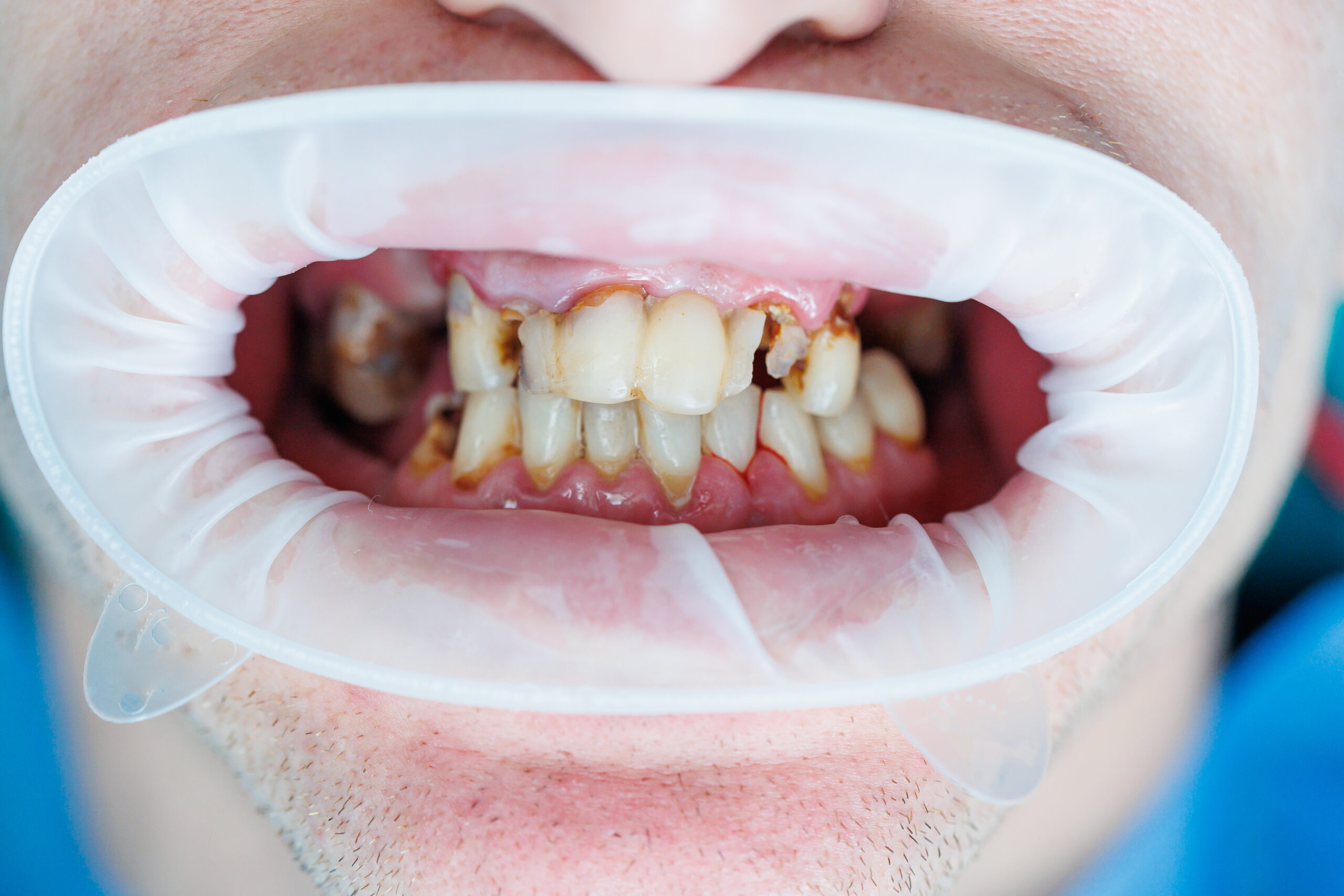
Many people are surprised by how quickly a tooth can become damaged. It might start with biting into something unexpectedly hard, noticing pain from deep decay, or realizing an old filling has failed after many years. In those moments, patients often assume the tooth will need to be removed.
In reality, modern dentistry offers many ways to repair and strengthen teeth that appear severely compromised. For individuals exploring treatments designed to repair damaged teeth, dentists often evaluate several options before considering extraction. Today’s restorative techniques focus on rebuilding tooth structure, restoring chewing comfort, and preserving as much of the natural tooth as possible.
For many adults balancing busy workdays, family responsibilities, and everyday life around Beaverton, protecting the health and function of natural teeth is an important part of maintaining long-term oral health.
How Dentists Evaluate a Severely Damaged Tooth
Before recommending treatment, a dentist carefully evaluates the condition of the affected tooth. Even teeth that appear significantly damaged can sometimes be restored if enough healthy structure remains.
A typical evaluation may include:
- A detailed visual examination of the tooth and surrounding gums
- Digital X-rays to view internal structures and root health
- Assessment of remaining tooth structure
- Checking for infection or inflammation around the root
- Evaluating bite pressure and how the tooth functions with neighboring teeth
These steps help determine whether the tooth can be strengthened and protected. In many cases, the goal is to stabilize the tooth and prevent further deterioration while maintaining natural chewing ability.
When a Dental Filling Can Restore the Tooth
If damage is limited to a cavity or a small area of weakened enamel, a dental filling may be enough to repair the tooth.
Modern composite fillings are designed to match the color and texture of natural teeth. They bond directly to the tooth structure, which helps restore strength while preserving as much of the natural tooth as possible.
Fillings are commonly recommended when:
- Tooth decay is detected early
- An old filling has worn down or fractured
- A small portion of enamel has chipped
Because composite materials bond to the tooth, dentists can often remove less natural structure compared to older restoration techniques.
Root Canal Therapy: Saving Teeth With Internal Infection
Sometimes damage goes deeper than the outer layers of the tooth. When decay or trauma reaches the inner pulp, infection may develop inside the tooth.
Root canal therapy is designed to address this situation while preserving the tooth itself. During treatment, the dentist removes infected tissue, carefully cleans the root canals, and seals them to prevent further infection.
The purpose of this procedure is not simply to relieve discomfort—it is to keep the natural tooth in place whenever possible.
After root canal treatment, a dental crown is often placed over the tooth to strengthen and protect it during everyday chewing.
Dental Crowns for Strong Structural Support
When a tooth has lost significant structure due to decay, fractures, or large fillings, a crown may be recommended.
A crown is a custom-made restoration that fits over the visible portion of the tooth like a protective cap. Once placed, it helps restore:
- Structural strength
- Natural shape
- Comfortable chewing function
Crowns are often used when a tooth has become weakened but the root remains healthy. They are also commonly placed following root canal therapy to protect the tooth from future fractures.
Many patients find that a well-made crown feels very similar to a natural tooth once it is fully integrated into their bite.
Dental Bridges for Replacing Teeth That Cannot Be Saved
In some cases, a tooth may be too damaged to repair. When this happens, dentists focus on restoring the gap in a way that maintains balance in the bite.
Dental bridges are one solution. A bridge replaces a missing tooth by attaching a prosthetic tooth to crowns placed on the neighboring teeth. This allows patients to regain chewing function and maintain proper tooth alignment.
Bridges are designed to look natural and blend with surrounding teeth while restoring everyday comfort.
Dental Implants as a Long-Term Replacement Option
If a tooth cannot be preserved, dental implants offer another way to restore the smile.
An implant acts as an artificial tooth root placed within the jawbone. Once healed, a custom crown is attached on top to recreate the function and appearance of a natural tooth.
Implants can provide:
- Strong chewing ability
- Stability within the bite
- A natural-looking replacement tooth
For many adults maintaining active lifestyles in Oregon—whether commuting to work or spending weekends outdoors—implants can offer reliable, long-term support for oral health.
How Restorative Dentists Try to Preserve Natural Teeth
In restorative dentistry, preserving the natural tooth is often the first priority. Dentists typically consider several factors before recommending removal.
A thoughtful treatment plan may involve:
- Listening carefully to patient concerns and symptoms
- Studying diagnostic images and clinical findings
- Evaluating how the tooth functions in the bite
- Considering long-term stability and durability
- Recommending conservative solutions whenever possible
This careful approach helps ensure that treatment decisions support both the immediate health of the tooth and the long-term well-being of the entire smile.
Considering Treatment Options for a Damaged Tooth
If you are experiencing discomfort, noticing structural damage, or wondering whether a tooth can still be saved, it may be helpful to speak with a dentist about your options. A professional evaluation can help determine whether the tooth can be strengthened or restored and which treatment may best support your long-term oral health. If you would like to talk through your concerns or explore possible solutions, you are always welcome to visit our dental practice in Beaverton to have a thoughtful conversation about the condition of your tooth and the treatment options available.
FAQs
Can a cracked tooth be saved?
Yes, many cracked teeth can be preserved depending on the depth and location of the fracture. Treatments such as crowns or bonding may strengthen the tooth and prevent further damage.
Is a root canal always necessary for a damaged tooth?
Not always. Root canal therapy is only recommended when infection or inflammation reaches the inner pulp of the tooth. If the damage is limited to the outer layers, other treatments may be sufficient.
How long do dental crowns last?
Dental crowns can often last many years when cared for properly. Maintaining good oral hygiene and attending regular dental checkups helps extend their longevity.
What happens if a damaged tooth is not treated?
Untreated damage can worsen over time. Decay may spread deeper into the tooth, fractures can enlarge, and infection may develop, potentially leading to tooth loss.
How do dentists decide whether to save or remove a tooth?
Dentists evaluate the amount of remaining healthy tooth structure, the condition of the root, and the long-term stability of the tooth within the bite. If restoration can provide lasting function and comfort, saving the natural tooth is usually preferred.
Recent Posts

August 18, 2026
Can Veneers Fix Gapped or Uneven Teeth?

August 13, 2026
Can Veneers Stain? What to Know About Coffee, Tea, and Wine

August 6, 2026
Best Dentist for Kids Near Beaverton, OR: What to Look For

July 29, 2026
7 Signs You Need a Dental Implant (And What to Do Next)

July 21, 2026