503-590-7574

Blog
How Do I Care for Dental Implants After Surgery?
April 22, 2026
Dental Implants
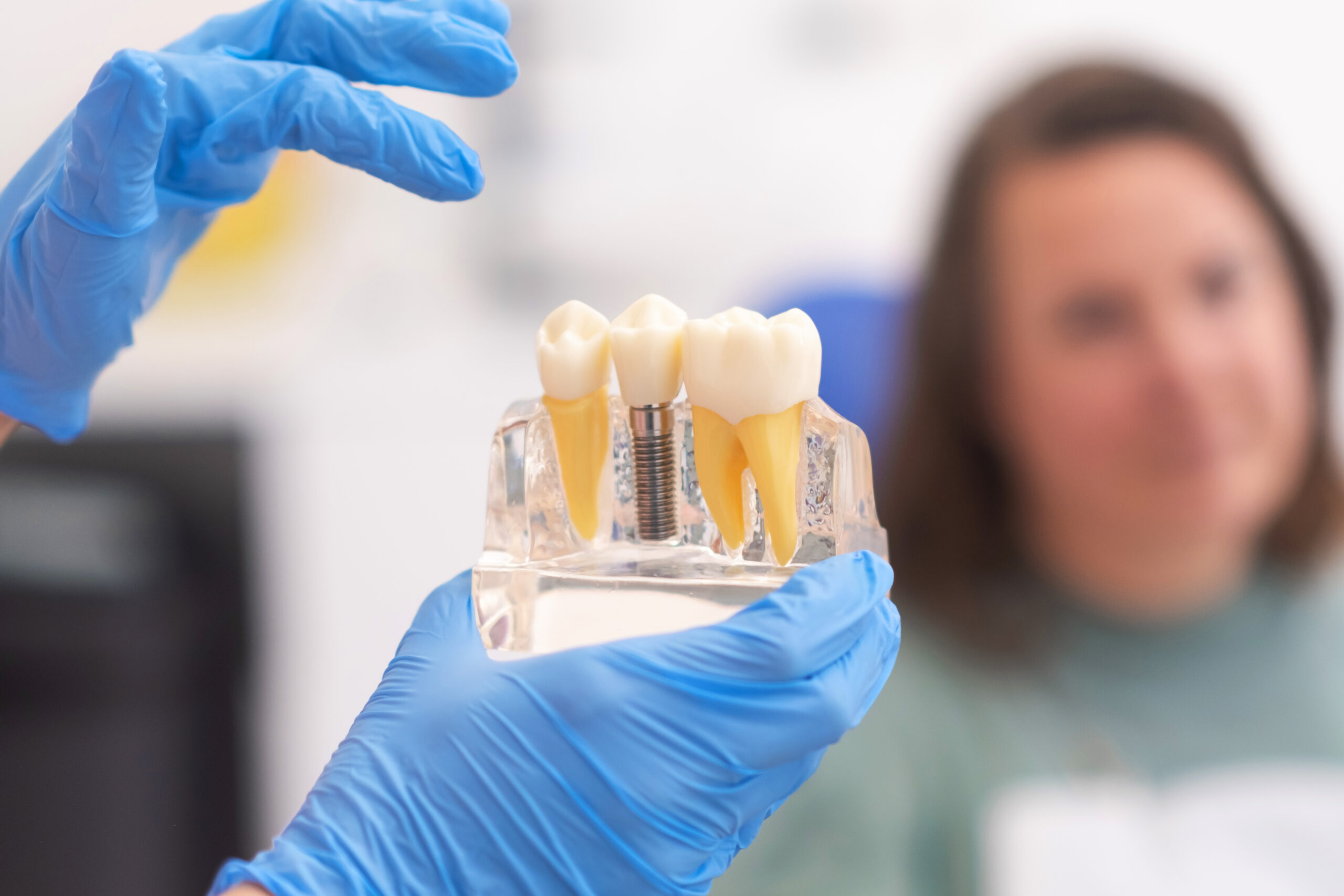
It’s common to leave implant surgery feeling both relieved and a little unsure about what comes next. Many patients ask simple but important questions: “When can I eat normally again?” “Is this soreness expected?” “Am I brushing the right way?” These are the kinds of conversations we have every day with people recovering at home and trying to balance healing with work and family routines.
If you’ve recently received a dental implant in Beaverton, understanding how to care for the area during recovery can make a meaningful difference in how smoothly you heal and how well your implant performs over time.
What to Expect After Dental Implant Surgery
Healing after implant placement happens in stages. In the first few days, it’s normal to notice mild swelling, slight bleeding, and tenderness around the area. These are expected signs that your body is beginning the healing process.
Over the next several weeks and months, something important happens beneath the surface. The implant gradually bonds with your jawbone in a process called osseointegration. While you won’t feel this happening, it’s what gives the implant its long-term stability.
Most patients recovering after implant surgery in Beaverton find that initial discomfort improves within a week, while complete healing takes a few months. If something feels unusual or worsens instead of improving, it’s always reasonable to check in.
Immediate Aftercare: First 24–48 Hours
The first couple of days set the foundation for healing.
Focus on rest and avoid strenuous activity. Keeping your head slightly elevated, even while sleeping, can help reduce swelling. Applying a cold compress in short intervals can also provide relief.
Some light bleeding is normal early on. Gently biting on gauze as instructed can help manage this. Try to avoid frequent rinsing or spitting during this time, as it may disturb the healing site.
This is also a time to be mindful of your daily routine. If you have a busy schedule or family responsibilities, planning ahead for a quieter couple of days can make recovery more comfortable.
Eating and Drinking After Implant Surgery
Food choices matter more than many patients expect.
In the first few days, stick to soft, easy-to-eat options like yogurt, smoothies, mashed vegetables, or soups that are not too hot. Cooler foods are often more soothing during early healing.
Avoid crunchy, sticky, or hard foods that could put pressure on the implant site. Chewing on the opposite side can help protect the area while it heals.
Staying hydrated is equally important. Drinking enough water supports healing and helps prevent dry mouth, which can sometimes occur after surgery.
Oral Hygiene During Healing
Keeping your mouth clean is essential, but it requires a gentle approach.
For the first few days, you may be advised to rinse with a saltwater solution or a prescribed mouthwash. When brushing, continue cleaning your other teeth normally, but avoid direct contact with the surgical area until it has had time to begin healing.
As the area improves, you can gradually return to your regular routine. Many people with dental implants find that maintaining consistent oral hygiene becomes one of the most important habits for long-term success.
Habits to Avoid During Recovery
Certain habits can slow healing or increase the risk of complications.
Smoking and alcohol are two of the most important to avoid, especially in the early stages. Both can interfere with your body’s ability to heal properly.
Try not to touch or disturb the implant area with your fingers or tongue. Even small, repeated pressure can affect healing.
It’s also helpful to be mindful of food textures. Hard or sticky foods can place unnecessary stress on the area before it’s ready.
Long-Term Care for Dental Implants
Once healing is complete, implants are designed to function much like natural teeth—but they still require ongoing care.
Daily brushing and flossing remain essential. Regular dental visits allow your dentist to monitor the implant and surrounding tissues, helping catch small concerns before they become bigger issues.
Many patients in Beaverton find that once they settle into a routine, caring for an implant feels very similar to caring for their natural teeth. Consistency is what supports long-term stability and comfort.
How Dentists Support Healing and Long-Term Implant Success
Dental care doesn’t end after the procedure. Follow-up visits play an important role in making sure everything is progressing as expected.
During these visits, your dentist evaluates how the implant is integrating, checks the health of your gums, and may adjust care recommendations based on how you’re healing.
If needed, guidance can be tailored to your daily habits, diet, or oral hygiene routine. This kind of ongoing support helps reduce the risk of complications and supports long-term success without adding unnecessary complexity to your routine.
Supporting Your Recovery with the Right Guidance
Recovering from implant surgery can feel like a learning process, especially in the first few days. Asking questions, following care instructions, and paying attention to how your body responds are all important parts of healing.
If you’d like guidance about your recovery or want to better understand what’s normal, you can schedule a visit at our Beaverton location to talk through your concerns and next steps.
FAQs
How long does implant healing take?
Initial healing typically takes about 1–2 weeks, while full integration with the jawbone can take several months.
What can I eat after implant surgery?
Soft foods like yogurt, mashed potatoes, and smoothies are recommended at first. Gradually reintroduce firmer foods as healing progresses.
Is swelling normal after implants?
Yes, mild swelling is common in the first few days and usually improves with rest and cold compresses.
When can I brush normally again?
You can brush your other teeth right away, but avoid the surgical area initially. Your dentist will guide you on when to resume full brushing.
What signs should I watch for during healing?
Persistent pain, swelling that worsens, or unusual discharge are signs you should bring to your dentist’s attention.
Recent Posts
August 18, 2026
Can Veneers Fix Gapped or Uneven Teeth?

August 13, 2026
Can Veneers Stain? What to Know About Coffee, Tea, and Wine
August 6, 2026
Best Dentist for Kids Near Beaverton, OR: What to Look For

July 29, 2026
7 Signs You Need a Dental Implant (And What to Do Next)
July 21, 2026