503-590-7574

Blog
Battling Insecurity from Worn-Down Edges on My Teeth
April 15, 2026
Cosmetic Dentistry
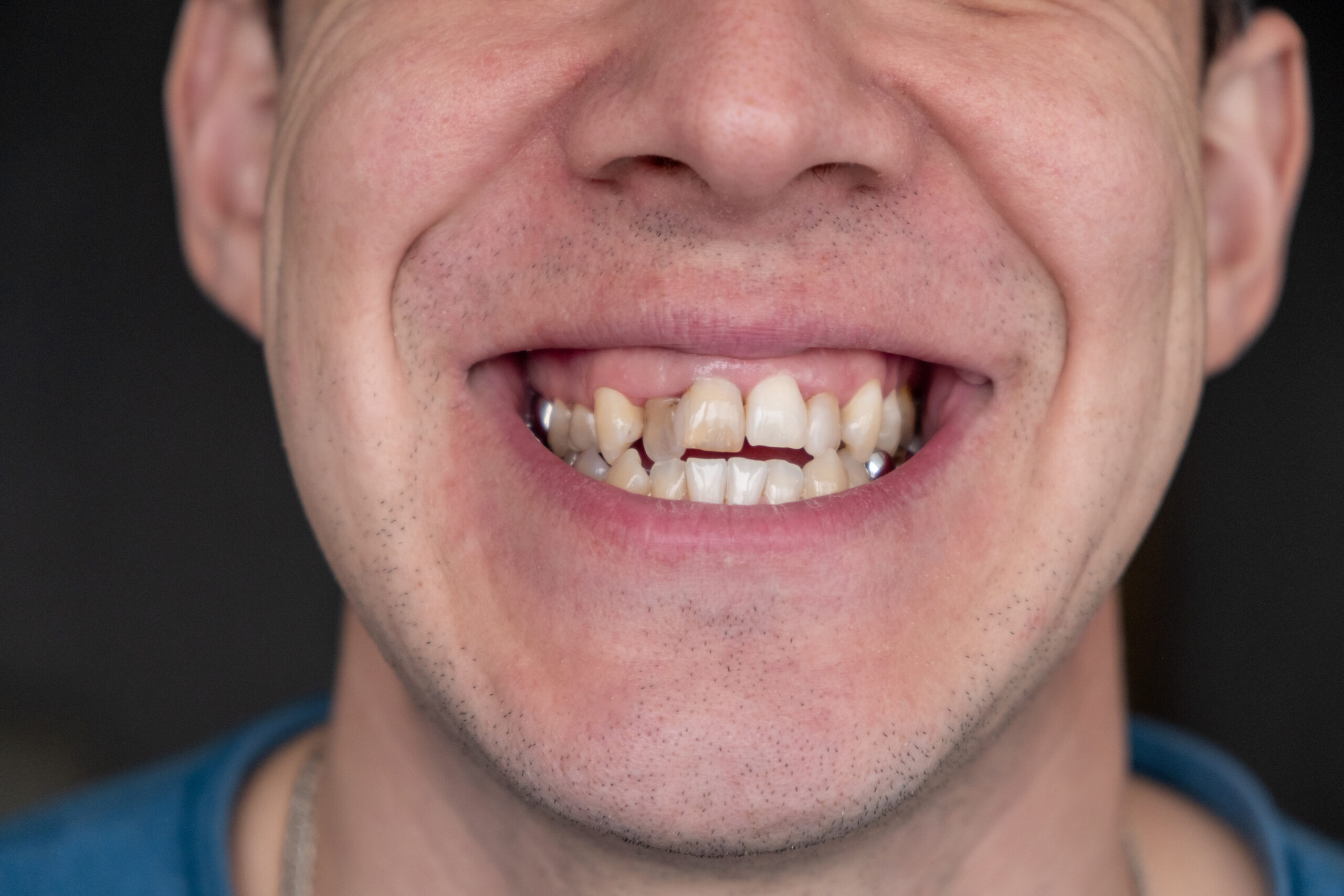
It started with something small—catching my reflection during a video call and noticing that my teeth didn’t look the same anymore. The edges seemed uneven, a little shorter than I remembered. Over time, I found myself smiling less in photos and even covering my mouth when I laughed. It wasn’t pain or a major dental issue—it was a quiet, growing insecurity.
This is something we hear often from patients exploring cosmetic dentistry in beaverton—noticing subtle changes that slowly begin to affect confidence in everyday life.
What Causes Worn-Down Edges on Teeth?
Worn edges don’t usually happen overnight. In many cases, it’s the result of small, repeated habits or natural changes over time.
One of the most common causes is grinding or clenching, often happening during sleep without you realizing it. Over time, this pressure gradually wears down the enamel. Acidic foods and drinks—like coffee, citrus, or soda—can also soften enamel, making teeth more vulnerable to wear.
Aging plays a role as well. Just like other parts of the body, teeth naturally experience wear after years of daily use. For some people, even minor alignment issues can cause certain teeth to take on more pressure than others, leading to uneven edges.
Why It Affects More Than Just Appearance
At first, worn edges may seem like a purely cosmetic concern. But for many people, it goes deeper than that.
Teeth play a big role in how we express ourselves. When they begin to look uneven or shortened, it can subtly affect how often you smile, how confidently you speak, and even how you show up in social or professional settings.
In some cases, worn teeth can also signal early functional concerns. Changes in bite or enamel loss may increase sensitivity or lead to additional wear if left unaddressed.
Cosmetic Dentistry Options to Restore Worn Teeth
The good news is that there are several conservative ways to restore the natural look of your teeth, depending on your specific situation.
Tooth bonding is often one of the simplest approaches. A tooth-colored resin is carefully shaped and polished to rebuild worn edges, helping restore a more even appearance.
For more noticeable wear, veneers may be recommended. These thin layers are designed to cover the front of the teeth, improving both shape and symmetry while maintaining a natural look.
If discoloration is also present, whitening treatments can help create a more balanced, refreshed appearance. And in cases where alignment contributes to uneven wear, Invisalign may be part of the conversation.
Each option is considered thoughtfully, with a focus on preserving as much natural tooth structure as possible.
How Dentists Decide the Right Approach
There’s no one-size-fits-all solution when it comes to worn teeth. The right approach depends on a combination of factors unique to each patient.
Dentists look at your smile goals—what you’d like to improve—as well as the current condition of your teeth. This includes evaluating enamel thickness, the way your teeth come together when you bite, and how much wear has already occurred.
Equally important is long-term durability. The goal isn’t just to improve appearance temporarily, but to choose a solution that supports lasting oral health and function.
Preventing Further Wear Over Time
Restoring worn edges is only part of the process. Preventing future wear is just as important.
For patients who grind or clench, a custom night guard can help protect teeth during sleep. Being mindful of dietary habits—especially frequent exposure to acidic foods and drinks—can also make a meaningful difference.
Regular dental visits allow for early detection of wear patterns, making it easier to address small concerns before they become more noticeable. In many cases, simple adjustments and preventive care can help maintain results for years to come.
How Cosmetic Dentistry Balances Appearance and Oral Health
Cosmetic dentistry is often associated with aesthetics, but its role goes beyond appearance. Restoring worn teeth is about improving function, protecting enamel, and supporting overall oral health.
A well-planned approach considers how your teeth work together, not just how they look. Preserving natural tooth structure is always a priority, and treatments are selected to align with both your goals and long-term dental health.
This balance is what allows patients to feel more confident while also maintaining a healthy, stable smile.
Taking the Next Step Toward a More Confident Smile
If you’ve noticed subtle changes in your teeth or find yourself feeling less confident about your smile, it’s completely reasonable to explore your options at your own pace. Even small adjustments can make a meaningful difference over time.
If you’d like to talk through your concerns or better understand what might be contributing to the changes you’re seeing, you can visit our Beaverton dental office to have a relaxed, informative conversation about your goals.
FAQs
Can worn teeth be fixed without veneers?
Yes, in many cases, tooth bonding can be used to restore worn edges without the need for veneers. The best option depends on how much wear has occurred.
Is tooth bonding a long-term solution?
Bonding can last several years with proper care, though it may need occasional maintenance or touch-ups over time.
Why are my teeth wearing down so quickly?
Common causes include grinding, clenching, acidic diets, and alignment issues. A dental evaluation can help identify the underlying reason.
Does grinding always cause tooth wear?
Not always, but frequent or untreated grinding can significantly contribute to enamel wear over time.
Are cosmetic treatments safe for enamel?
When planned carefully, cosmetic treatments are designed to preserve and protect enamel while improving the overall appearance and function of your teeth.
Recent Posts
August 18, 2026
Can Veneers Fix Gapped or Uneven Teeth?

August 13, 2026
Can Veneers Stain? What to Know About Coffee, Tea, and Wine

August 6, 2026
Best Dentist for Kids Near Beaverton, OR: What to Look For

July 29, 2026
7 Signs You Need a Dental Implant (And What to Do Next)
July 21, 2026