503-590-7574
Blog
Veneers vs. Bonding: Which Actually Lasts Longer and Costs Less
November 10, 2026
Dental Health
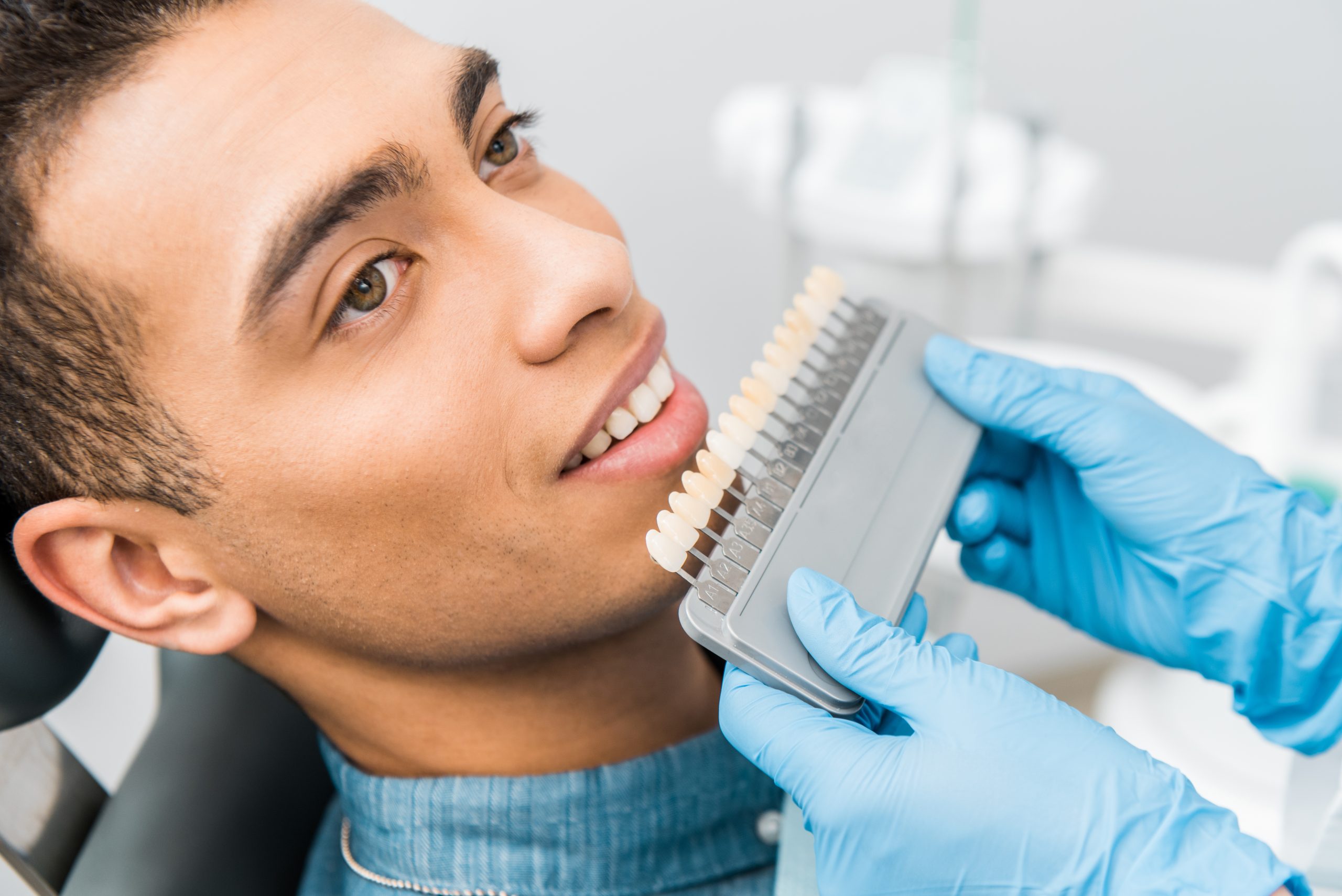
If you have chipped, stained, or uneven teeth, two treatment options probably come up fast: veneers and dental bonding. When weighing Veneers vs. Bonding: Which Actually Lasts Longer and Costs Less in Beaverton, the answer depends on your goals, budget, and dental health. Both treatments can dramatically improve your smile. But they work very differently — and choosing the wrong one can cost you more in the long run. Dr. Scott R. Walker at Murray Scholls Family Dental helps Beaverton patients make this decision every day.
What Are Veneers and What Is Dental Bonding?
Veneers are thin porcelain or composite shells bonded permanently to the front of your teeth. They cover discoloration, chips, gaps, and uneven edges. Most veneers require light enamel removal before placement. That makes the process irreversible.
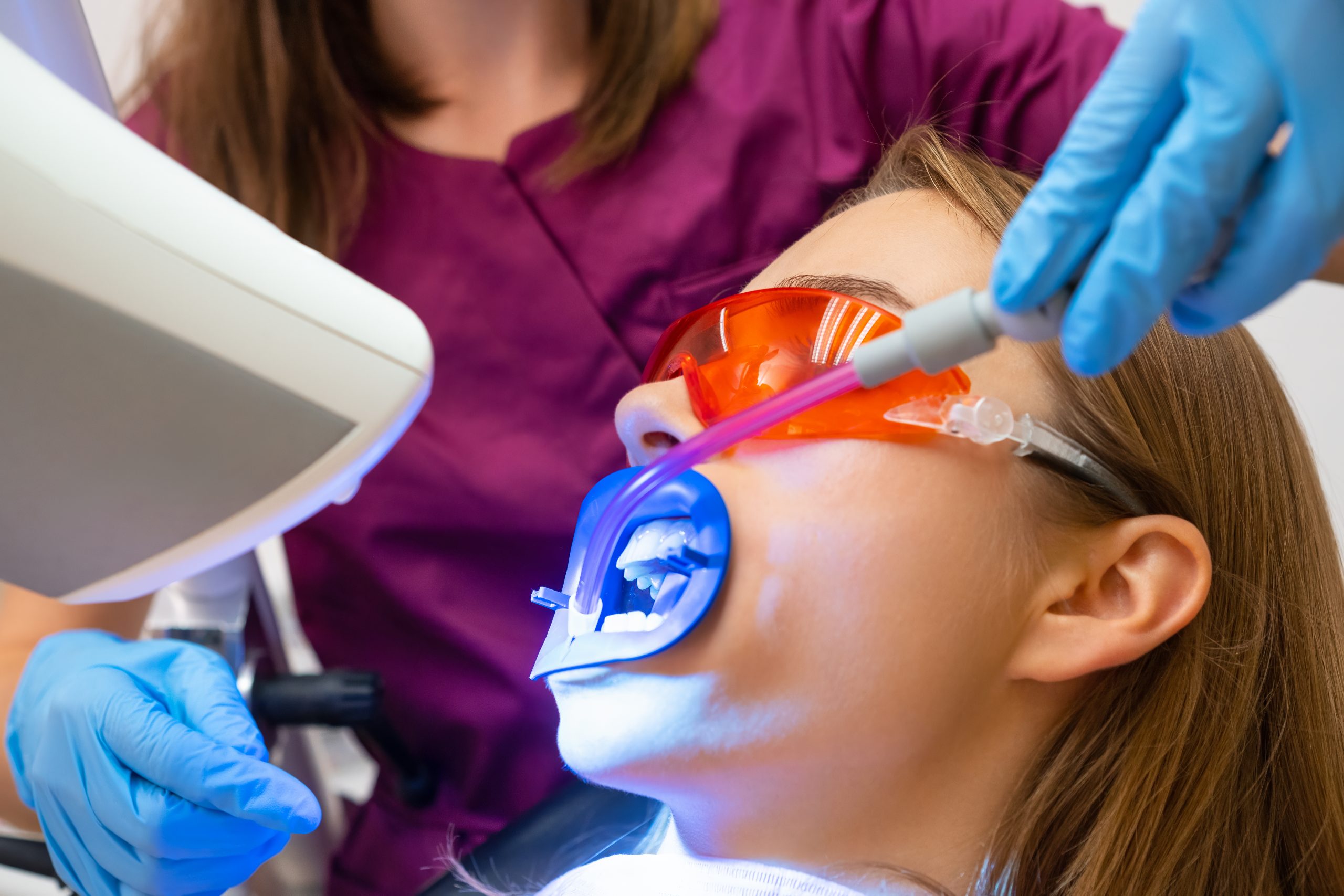
Dental bonding uses a tooth-colored composite resin applied directly to the tooth surface. Your dentist sculpts and hardens the resin with a curing light. Bonding usually requires little to no enamel removal. It is a minimally invasive, same-visit procedure.
Both treatments fall under Beaverton Cosmetic Dentistry in Beaverton services. Understanding their differences helps you choose the right path for your specific smile concern.
Cost Comparison: Which Option Costs Less in Beaverton?
Cost is often the first question patients ask. Dental bonding is almost always the more affordable upfront option. Per tooth, bonding typically ranges from $300 to $600. Porcelain veneers can range from $900 to $2,500 per tooth.
For a single chipped tooth, bonding offers excellent value. For a full smile makeover involving multiple teeth, the cost difference becomes significant. Beaverton patients on a budget often start with bonding for immediate results.
However, cost over time tells a different story. Bonding may need repairs or replacement every 5 to 7 years. Veneers, when properly maintained, can last 10 to 20 years. The long-term cost per year may actually favor veneers for some patients.
- Bonding cost per tooth: approximately $300–$600
- Porcelain veneer cost per tooth: approximately $900–$2,500
- Bonding lifespan: 5–7 years before touch-up or replacement
- Veneer lifespan: 10–20 years with proper care
- Bonding repairs are simple and inexpensive
- Veneer replacements require a larger investment
Longevity and Durability: Which Treatment Lasts Longer?
Porcelain veneers win on longevity. Porcelain is stain-resistant, strong, and holds its appearance for decades. With proper brushing, flossing, and regular cleanings, veneers rarely need early replacement. They bond tightly to enamel and resist daily wear well.
Composite bonding is durable but more vulnerable to staining and chipping. Coffee, tea, and red wine can gradually discolor bonding material. Biting into hard foods or grinding your teeth can chip the resin. Patients who grind their teeth may find bonding wears down quickly.
That said, bonding repairs are fast and simple. Your dentist can often fix a chipped bond in one short visit. Veneer damage, while rare, typically requires replacing the entire shell. For Beaverton patients with active lifestyles or heavy bite pressure, your dentist will factor this in.
- Veneers resist staining far better than composite resin
- Bonding can chip under biting force or grinding
- Veneer repairs are less frequent but more complex
- Bonding touch-ups are quick and low-cost
- Both options require regular professional cleanings to last
Invasiveness: Which Procedure Is Easier on Your Teeth?
This is where bonding has a clear advantage. Dental bonding is one of the least invasive cosmetic procedures available. Your dentist adds material to your tooth without removing enamel. The procedure is usually complete in under an hour, with no anesthesia needed.
Veneers require your dentist to gently remove a thin layer of enamel first. This creates a surface for the veneer to bond securely. Because enamel does not grow back, veneers commit you to that treatment permanently. Some patients prefer composite veneers as a middle ground — less removal, lower cost, moderate lifespan.
For patients nervous about dental procedures, bonding is often the gentler introduction to cosmetic care. It is also reversible in concept — no permanent tooth structure is lost. If you later want veneers, that option remains open. Murray Scholls Family Dental also offers Restorative Dentistry in Beaverton services for patients who need structural repairs alongside cosmetic improvements.
Which Treatment Is Right for Your Specific Concern?
The best choice depends on what you want to fix and how long you want results to last. Dr. Walker evaluates each patient’s teeth, bite, and lifestyle before recommending either option. There is no single right answer — only the right answer for you.
Consider bonding if you have a minor chip, small gap, or mild discoloration on one or two teeth. It is fast, affordable, and preserves your natural tooth structure. Consider veneers if you want a complete smile transformation with long-lasting, stain-resistant results.
Patients with severe decay, gum disease, or significant structural damage may need restorative work before either cosmetic treatment. Your dentist will always address dental health first.
Quick Guide: Bonding vs. Veneers by Concern
- Single chipped tooth: Bonding is usually ideal
- Deep or stubborn staining: Veneers offer more lasting whiteness
- Small gap between front teeth: Bonding closes gaps quickly
- Multiple teeth with uneven shape: Veneers create a more uniform result
- Tight budget: Bonding provides immediate improvement at lower cost
- Long-term investment: Veneers offer better durability over time
Your Next Step With Murray Scholls Family Dental in Beaverton
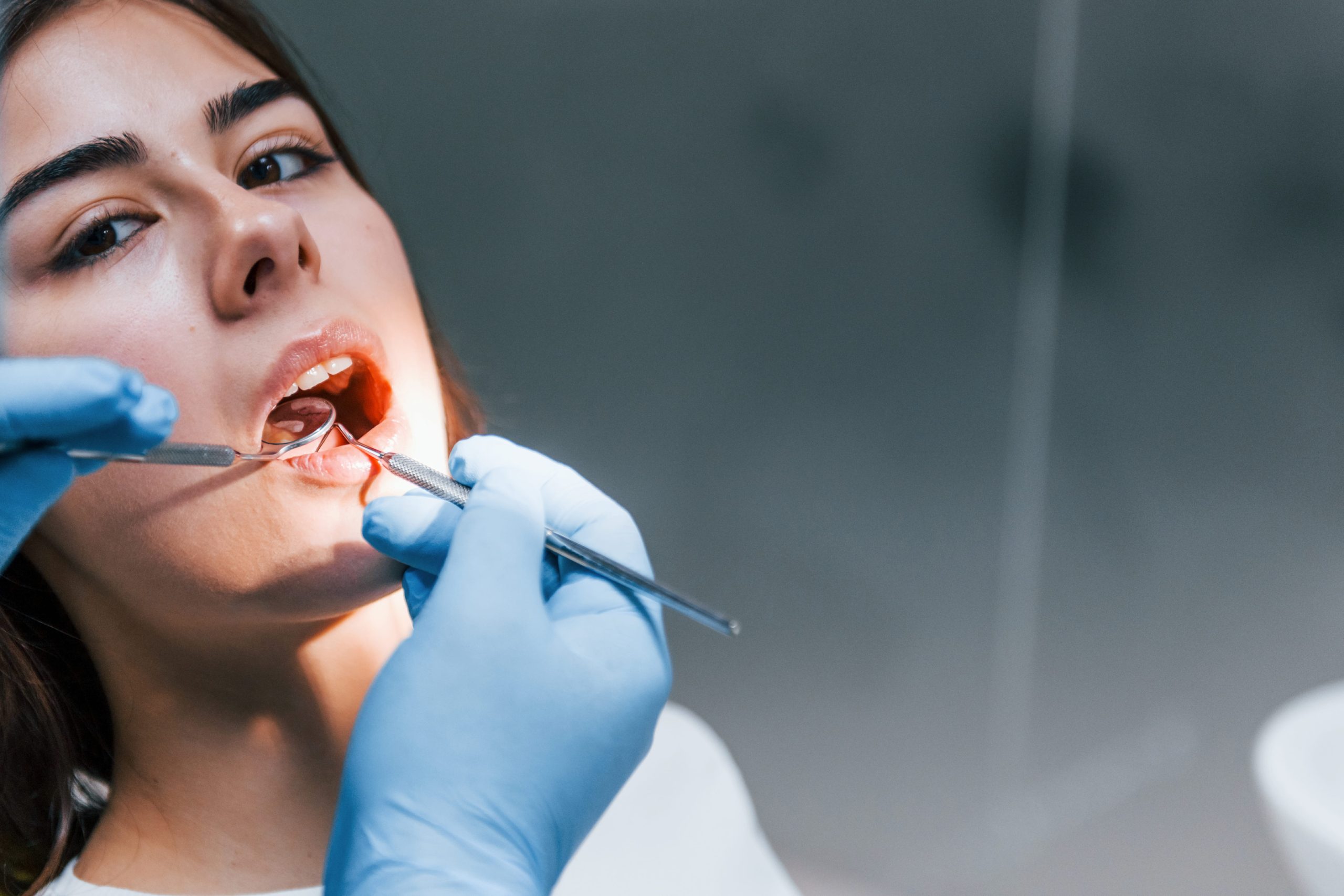
Choosing between veneers and bonding does not have to be complicated. A simple consultation with Dr. Scott R. Walker gives you a clear, personalized recommendation. He will examine your teeth, discuss your goals, and walk you through realistic expectations for each option. Beaverton patients leave that appointment with clarity — not confusion.
Murray Scholls Family Dental is located in Beaverton and proudly serves nearest community. Whether you are leaning toward bonding for a quick fix or veneers for a lasting transformation, our team will guide you every step of the way. We make cosmetic dentistry approachable, educational, and stress-free. Book Now to schedule your appointment with our team.
Frequently Asked Questions
Is dental bonding painful?
Dental bonding is typically painless. Most procedures require no anesthesia because so little tooth structure is involved. You may feel mild sensitivity afterward, but it usually fades within a day or two.
Can veneers be removed if I change my mind?
Traditional porcelain veneers are considered a permanent treatment. Because enamel is removed during preparation, your teeth will always need some form of covering. Composite veneers involve less enamel removal and offer slightly more flexibility.
How long does dental bonding take?
Most bonding procedures take between 30 and 60 minutes per tooth. It is typically a single-visit procedure, making it one of the fastest cosmetic dental treatments available.
Do veneers look natural?
Yes. Modern porcelain veneers are custom-crafted to match the color, shape, and translucency of natural teeth. Most people cannot tell the difference between veneers and natural enamel.
How do I care for bonded teeth or veneers?
Both treatments require regular brushing, flossing, and dental cleanings. Avoid biting hard objects like ice or pen caps. Limit staining foods and drinks for bonded teeth. Veneers are more stain-resistant but still benefit from good oral hygiene habits.
Recent Posts
November 10, 2026
Veneers vs. Bonding: Which Actually Lasts Longer and Costs Less
November 10, 2026
Will Professional Teeth Whitening Actually Work For You
November 6, 2026
Is Murray Scholls Family Dental Accepting New Patients, and What Should You Bring?
October 27, 2026
Immediate Implants After Tooth Extraction: Can You Get One the Same Day?

October 22, 2026