503-590-7574

Blog
Will Professional Teeth Whitening Actually Work For You
November 10, 2026
Dental Health
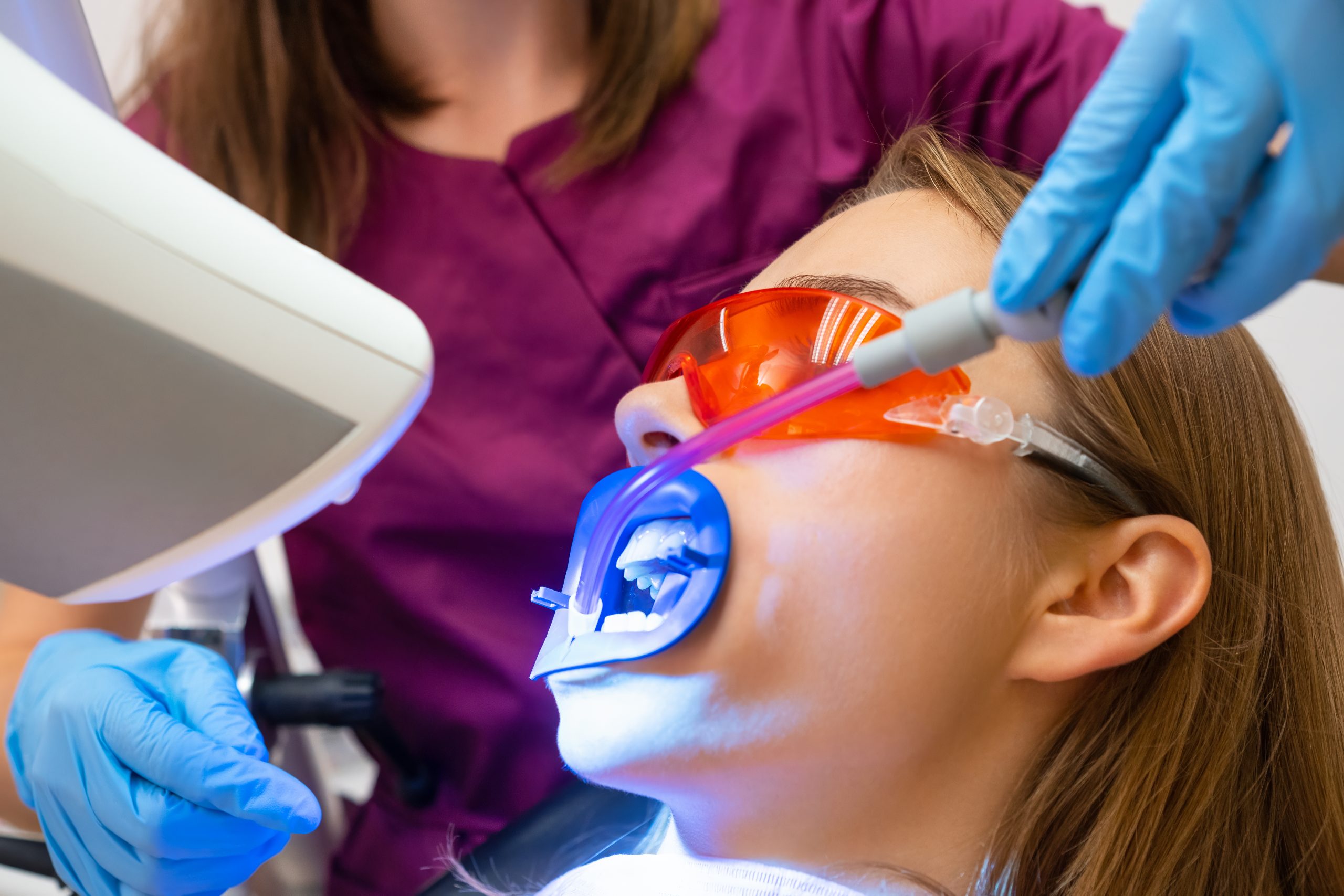
If you’ve been asking yourself, will professional teeth whitening actually work for you in Beaverton, you’re not alone. Many patients come to us with this exact question. Whitening is one of the most popular cosmetic treatments available today. But it doesn’t deliver the same results for everyone — and understanding why can save you time, money, and frustration.
At Murray Scholls Family Dental, Dr. Scott R. Walker helps patients in the Beaverton area figure out exactly where they stand. This article walks you through who responds best to whitening, who may not see results, and what your alternatives might be.
How Professional Teeth Whitening Actually Works
Professional whitening uses a peroxide-based gel to break apart stain molecules inside your enamel. The process targets extrinsic stains — those that sit on or just within the outer surface of your teeth. These stains typically come from food, beverages, and tobacco use.
In-office treatments use a higher concentration of whitening agents than over-the-counter products. That’s why results are faster and more dramatic. The gel penetrates the enamel and lifts discoloration without removing tooth structure.
It’s important to understand that whitening only affects natural tooth enamel. It has no effect on dental restorations, which we’ll explain further below.
Who Gets the Best Results From Whitening in Beaverton
Patients with extrinsic, surface-level staining tend to see the most dramatic improvements. If your teeth have yellowed from coffee, tea, wine, or smoking, professional whitening is likely a strong fit for you.
Here are the characteristics of ideal whitening candidates:
- Natural teeth with no major restorations in visible areas
- Healthy gums with no active gum disease
- Staining caused by diet, aging, or tobacco use
- No significant tooth sensitivity issues
- Realistic expectations about shade improvement
Patients who meet these criteria often achieve several shades of improvement after a single in-office session. Younger patients, especially those with recently developed staining, tend to respond very well.
If you’re interested in exploring your options, our team offers Beaverton Cosmetic Dentistry in Beaverton services that include professional whitening and more.
Who May NOT See Results — and Why
This is where many patients are surprised. Whitening doesn’t work for everyone — and knowing this ahead of time helps you make better decisions about your smile.
Intrinsic staining is a key factor. These stains originate inside the tooth structure itself, not on the surface. No whitening gel can reach them effectively. Intrinsic staining often appears as a gray or brownish tint rather than a yellow hue.
Common causes of intrinsic staining include:
- Tetracycline antibiotic use during childhood tooth development
- Excessive fluoride exposure during enamel formation (dental fluorosis)
- Tooth trauma that has caused internal bleeding or nerve damage
- Genetic conditions affecting enamel development
If your discoloration falls into any of these categories, whitening may produce little to no visible change. In these cases, we typically recommend exploring cosmetic alternatives like veneers.
The Problem With Crowns, Veneers, and Other Restorations
Dental restorations do not respond to whitening agents. This includes dental crowns, veneers, composite fillings, and dental bridges. The materials used in these restorations are color-stable — which is great for longevity but means they won’t lighten alongside your natural teeth.
If you have a crown or veneer on a front tooth and you whiten your surrounding natural teeth, you may end up with visible color mismatches. This is something Dr. Walker discusses thoroughly during a whitening consultation.
For patients with multiple restorations in visible areas, it may make more sense to first discuss your overall treatment plan. Our Restorative Dentistry in Beaverton services can help establish a strong foundation before any cosmetic work begins.
The best approach is always to plan ahead. Whitening should typically happen before new restorations are placed — so that new crowns or veneers can be color-matched to your freshly whitened smile.
Medication-Induced Staining and Sensitivity Considerations
Certain medications cause staining as a side effect. Tetracycline antibiotics are the most well-known culprit. When taken during childhood while teeth are still forming, they can cause deep gray or brown banding inside the enamel. This type of staining is notoriously resistant to whitening.
Other medications, like certain antihistamines and antipsychotics, can also contribute to surface or internal discoloration. If you’re unsure whether your staining is medication-related, Dr. Walker can evaluate your specific situation during a consultation.
Tooth sensitivity is another screening factor. Some patients experience temporary sensitivity during or after whitening. Those with enamel erosion, gum recession, or existing sensitivity may need to approach whitening more carefully. There are lower-concentration options and desensitizing protocols that can help — but it’s worth discussing your history before starting treatment.
What Are Your Alternatives If Whitening Won’t Work?
If professional whitening isn’t the right fit, there are excellent alternatives that can still transform your smile. The most effective for intrinsic staining and resistant discoloration is porcelain veneers. Veneers cover the front surface of your teeth, giving you full control over color, shape, and size.
Composite bonding is another option for isolated stains or minor discoloration. It’s more affordable and reversible, though it may not last as long as porcelain. For patients with heavily stained or damaged teeth, dental crowns can restore both function and appearance at the same time.
The right recommendation depends entirely on your unique dental situation. That’s why a thorough evaluation with Dr. Walker is always the best first step.
Conclusion: Take the Guesswork Out of Your Whitening Decision
Figuring out whether professional teeth whitening will actually work for you in Beaverton doesn’t have to be a guessing game. The key is understanding what type of staining you have, whether you have restorations in visible areas, and whether sensitivity could be a concern. With the right evaluation, you’ll know exactly what to expect — and what options will get you the smile you’re looking for.
Dr. Scott R. Walker and the team at Murray Scholls Family Dental are here to guide you through that process with honesty and care. Book Now to schedule your appointment with our team.
Frequently Asked Questions
Does professional whitening work on gray teeth?
Gray discoloration is often caused by intrinsic staining from tetracycline antibiotics or tooth trauma. Whitening gels generally don’t penetrate deep enough to address these stains effectively. Veneers or bonding are usually better options for gray teeth.
How long do professional whitening results last?
Results typically last between one and three years, depending on your diet and oral hygiene habits. Avoiding coffee, tea, red wine, and tobacco helps extend your results. Periodic touch-up treatments can also maintain your shade over time.
Can I whiten my teeth if I have dental crowns?
Whitening treatments do not affect the color of dental crowns, veneers, or composite fillings. If you whiten your natural teeth, color mismatches may appear next to existing restorations. Dr. Walker can help you plan a cosmetic approach that gives you a consistent, uniform result.
Is professional whitening safe for sensitive teeth?
Many patients with mild sensitivity can still undergo professional whitening with the right precautions. Lower-concentration gels and desensitizing treatments can reduce discomfort. Dr. Walker evaluates your sensitivity level during your consultation to find the safest approach for you.
How is professional whitening different from store-bought kits?
Professional whitening uses higher concentrations of peroxide than over-the-counter products. It is applied under clinical supervision, which improves both safety and effectiveness. Most patients see significantly more noticeable results in a shorter period of time compared to drugstore whitening strips or trays.
Recent Posts
November 10, 2026
Veneers vs. Bonding: Which Actually Lasts Longer and Costs Less
November 10, 2026
Will Professional Teeth Whitening Actually Work For You
November 6, 2026
Is Murray Scholls Family Dental Accepting New Patients, and What Should You Bring?
October 27, 2026
Immediate Implants After Tooth Extraction: Can You Get One the Same Day?
October 22, 2026