503-590-7574

Blog
Innovations in Dental Sleep Apnea Treatments for 2024
September 9, 2024
Dental Sleep Apnea
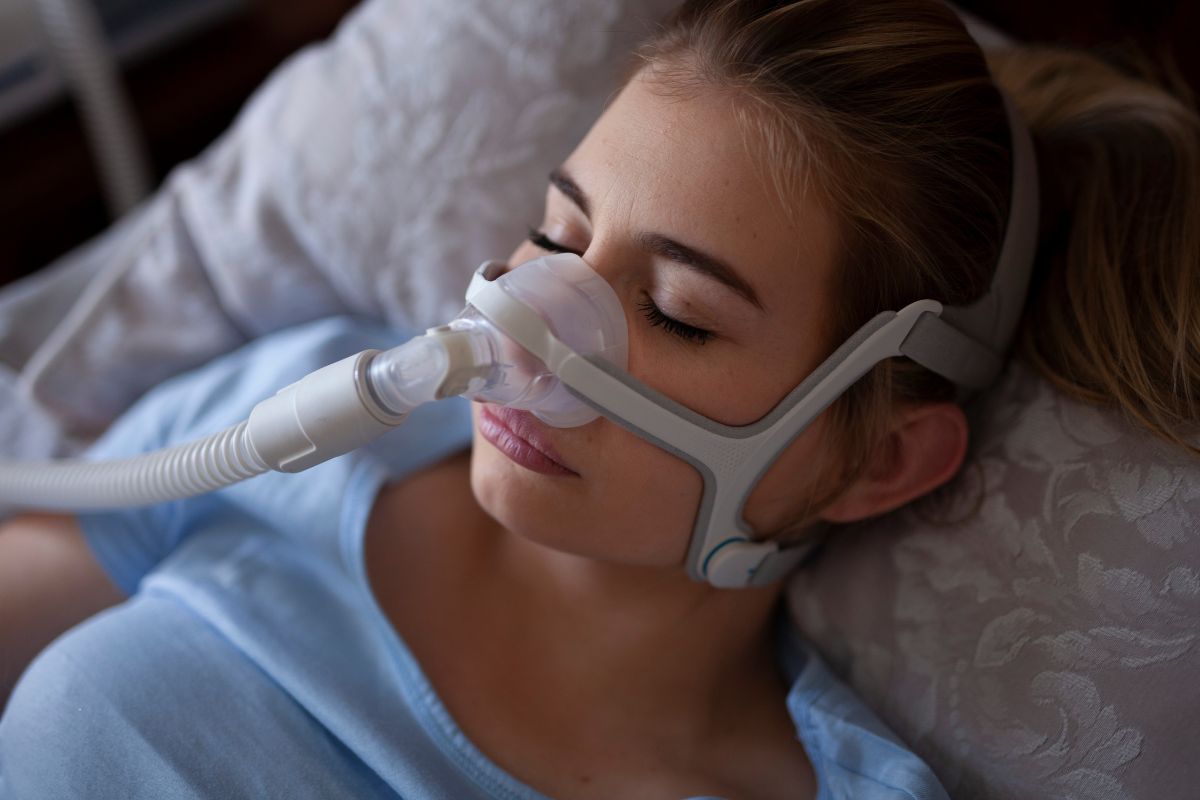
Sleep apnea is a condition that affects millions of Americans, causing disrupted sleep, daytime fatigue, and even serious health complications like heart disease and stroke. Many people rely on CPAP (Continuous Positive Airway Pressure) machines to manage their condition, but recent advancements in dental sleep apnea treatments are offering new, more comfortable options. In 2024, dental professionals are leveraging cutting-edge technology and innovative treatment approaches to address sleep apnea effectively, improving patient outcomes and quality of life.
Custom Oral Appliances: A CPAP Alternative
For many sleep apnea sufferers, CPAP machines can feel intrusive and uncomfortable, leading to inconsistent use. A growing number of patients are turning to custom oral appliances as a more convenient alternative. These devices, often resembling a mouthguard, work by gently repositioning the jaw and tongue to keep the airway open during sleep.
In 2024, advancements in 3D printing and digital imaging have revolutionized the way these oral appliances are designed and fitted. Dentists can now use precise 3D scans of the patient’s mouth to create highly personalized appliances that are more comfortable and effective than ever before. Unlike bulky CPAP machines, these custom devices are compact and easy to use, making them a popular choice for those who struggle with traditional treatments.
Remote Monitoring and Adjustments
With the rise of telemedicine, dental professionals can now monitor sleep apnea patients remotely, tracking their progress and making adjustments as needed. Innovative sleep monitoring devices, worn at night, can collect data on sleep patterns, breathing, and oxygen levels. This information is then transmitted to the dentist or sleep specialist, allowing for real-time adjustments to be made to the patient’s treatment plan.
This trend towards remote monitoring in 2024 gives patients more flexibility and convenience, eliminating the need for frequent in-office visits. Dentists can now fine-tune the settings of oral appliances or other treatments based on data collected at home, ensuring optimal results without added hassle.
Laser Therapy for Sleep Apnea
Laser therapy is another exciting innovation in dental sleep apnea treatments. Known as NightLase, this non-invasive procedure uses laser energy to tighten and firm the tissues in the throat, reducing airway obstruction. The treatment typically involves multiple sessions, but it’s painless and requires no downtime.
NightLase has gained popularity in 2024 due to its simplicity and effectiveness. Patients appreciate that there’s no need for bulky equipment or invasive surgeries. Laser therapy can reduce snoring and improve airflow, making it a valuable option for mild to moderate sleep apnea cases.
Advancements in Sleep Apnea Surgery
In severe cases of sleep apnea, surgery may be necessary to remove obstructions or reposition tissues in the airway. Although doctors often consider surgery a last resort, advancements in minimally invasive techniques have reduced risks and improved effectiveness.
One such innovation for 2024 is robotic-assisted surgery. Using robotic technology, surgeons can perform precise procedures with smaller incisions and faster recovery times. This technology reduces complications and allows patients to return to their normal routines more quickly. Additionally, tongue-stimulating devices, which activate muscles in the tongue to prevent airway blockages, have become more refined and widely available this year.
Combining Sleep Apnea Treatment with Orthodontics
For patients with structural jaw issues contributing to their sleep apnea, orthodontics may play a role in treatment. In 2024, orthodontists are using innovative braces and aligners not only to straighten teeth but also to correct jaw alignment, reducing the risk of sleep apnea. Clear aligners, such as Invisalign, can be customized to gradually reposition the jaw, improving airflow and alleviating symptoms.
Orthodontic treatment, combined with other dental sleep apnea interventions, provides a holistic approach to managing the condition. By addressing the underlying causes of sleep apnea, these methods can offer long-term relief without the need for lifelong use of CPAP machines or other devices.
Conclusion: A New Era in Dental Sleep Apnea Care
As we move through 2024, the field of dental sleep apnea treatments is undergoing significant transformations. Patients now have access to a wide range of innovative solutions that prioritize comfort, convenience, and effectiveness. From custom oral appliances and laser therapy to minimally invasive surgery and orthodontics, dental professionals are offering more personalized and patient-friendly options than ever before.
These advancements reflect a broader trend toward integrating technology and data into healthcare, allowing for better outcomes and more patient-centered care. If you or a loved one struggles with sleep apnea, now is the time to explore these new treatment possibilities with your dentist in Beaverton. Sleep better, breathe easier, and enjoy a healthier life with the latest innovations in dental sleep apnea care.
Recent Posts
August 18, 2026
Can Veneers Fix Gapped or Uneven Teeth?

August 13, 2026
Can Veneers Stain? What to Know About Coffee, Tea, and Wine
August 6, 2026
Best Dentist for Kids Near Beaverton, OR: What to Look For

July 29, 2026
7 Signs You Need a Dental Implant (And What to Do Next)
July 21, 2026