503-590-7574

Blog
Foods & Drinks To Avoid If You Have Painful Mouth Ulcers
October 7, 2025
Dental Care
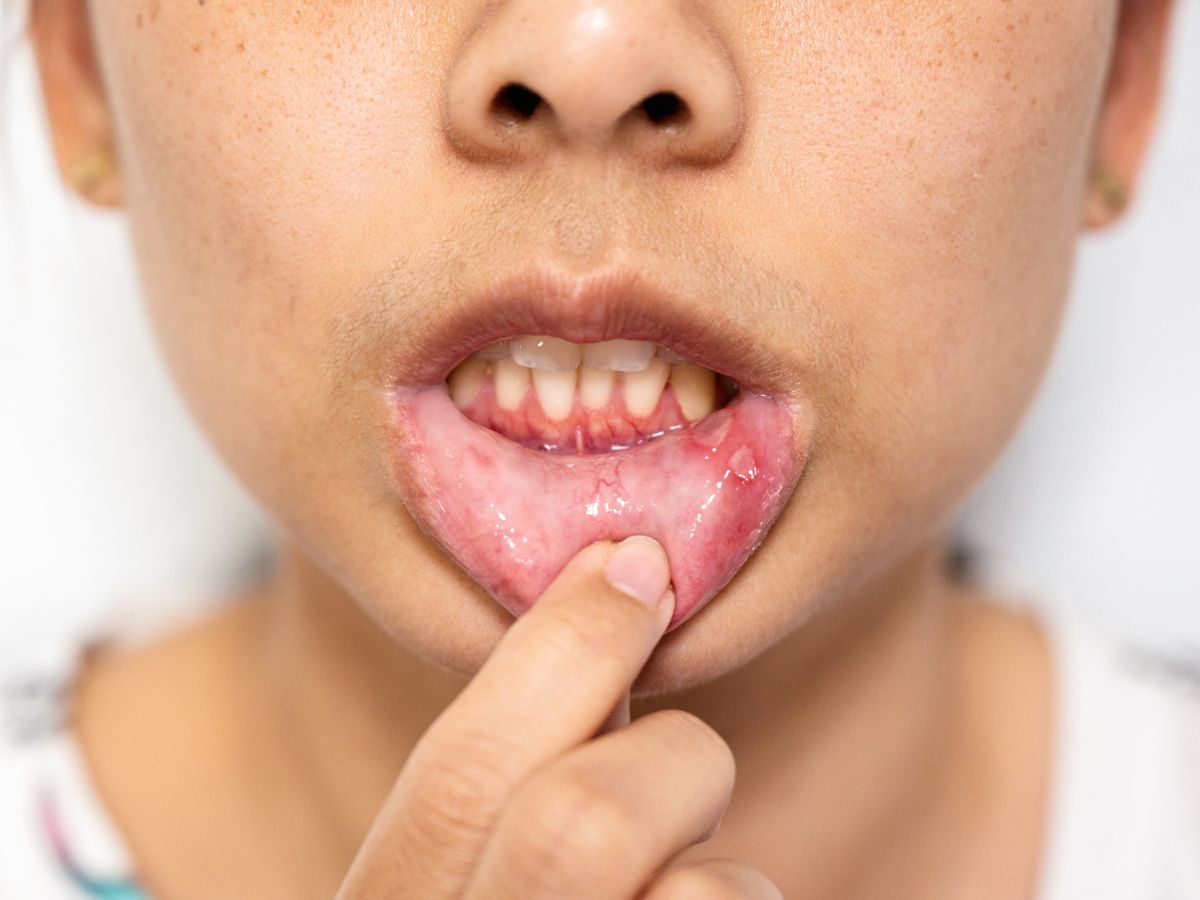
Mouth ulcers, also known as canker sores, are small, painful lesions inside the mouth, on the tongue, or along the inner cheeks. While these sores often heal independently, certain foods and drinks can make them more painful and slow healing. Choosing the proper diet can make a significant difference in managing discomfort. This guide will help you identify what to avoid and how to protect your oral health.
Understanding Mouth Ulcers
Mouth ulcers develop due to irritation, injury, or even stress. They can cause burning sensations and make eating or drinking uncomfortable. While medication and topical treatments can help, what you eat and drink is crucial in aggravating or soothing the sore. Consulting a dentist in Beaverton can provide personalized advice and treatment for persistent or severe ulcers.
Foods to Avoid With Mouth Ulcers:
How Acidity Irritates Ulcers
Acidic foods increase irritation and burning sensations in ulcers. They can delay healing and make even small sores extremely uncomfortable. Limiting acidic foods helps maintain a neutral oral environment and allows ulcers to heal faster.
Spicy Foods
Spicy dishes intensify the burning sensation in your mouth and can extend healing time. Ingredients like chili, hot peppers, and spicy sauces trigger discomfort by directly irritating the ulcer’s surface. Avoiding these foods until your ulcers fully heal is crucial for pain management.
Salty & Crunchy Foods
Foods with high salt content or coarse textures, such as chips, pretzels, and crusty bread, can scrape against ulcers and worsen pain. The sharp edges and high sodium levels can inflame the sores, prolonging recovery.
Sugary Foods
Candies, sweet baked goods, and other sugar-rich foods promote bacterial growth in the mouth, which can aggravate mouth ulcers. Sugar also increases inflammation, making your ulcers more sensitive and painful.
Drinks to Avoid With Mouth Ulcers
Alcoholic Drinks
Alcohol dehydrates the mouth and irritates ulcerated areas, slowing the healing process. Regular consumption can make sores more painful and prolong discomfort.
Hot Beverages
Drinks like coffee or tea served at high temperatures can burn ulcer surfaces, increasing pain and irritation. To protect sensitive tissue, opt for lukewarm or cool beverages instead.
Foods & Drinks That Are Safe and Soothing
Soft, bland foods like yogurt, mashed potatoes, smoothies, and cooked vegetables are gentle on mouth ulcers. Cold or room-temperature foods can soothe pain, reduce inflammation, and support faster healing. Drinking plenty of water also keeps the mouth hydrated and promotes recovery.
Tips for Managing Mouth Ulcer Pain
- Rinse your mouth with warm salt water to reduce irritation.
- Use over-the-counter oral gels or ointments for temporary relief.
- Avoid chewing gum, hard candy, or acidic fruits until ulcers heal.
- Maintain good oral hygiene with a soft-bristle toothbrush.
Mouth ulcers can disrupt daily life, but avoiding the foods and drinks above can significantly reduce pain and speed up recovery. If your ulcers persist or worsen, schedule an appointment with a dentist in Beaverton. Professional care ensures proper treatment and prevents complications while keeping your oral health on track.
Get Fast Relief from Painful Mouth Ulcers— Schedule Your Appointment Today!
Managing mouth ulcers starts with wise dietary choices. To minimize pain and speed recovery, avoid spicy, salty, crunchy, sugary foods and acidic or hot drinks. If your ulcers persist or become severe, a dentist in Beaverton can evaluate your oral health and provide effective treatments.
Our dental office is conveniently located in the Murray Scholls Town Center, making it easy for you to get timely care. Call us today at 503-590-7574 to schedule your appointment in Beaverton and receive personalized treatment to relieve painful mouth ulcers. Your comfort and oral health are our top priorities.
Recent Posts

April 6, 2026
What Your Tongue Says About Your Oral Health
March 30, 2026
How to Care for Dental Implants: Essential Tips
March 23, 2026
What Causes Dark Spots on Teeth and How Can a Cosmetic Dentist Fix Them?

March 16, 2026
What Is the 2-2-2 Rule in Dentistry?
March 13, 2026