503-590-7574

Blog
Dental Implant Aftercare: Daily Habits That Help Protect Your Implant
January 6, 2026
Dental Implants
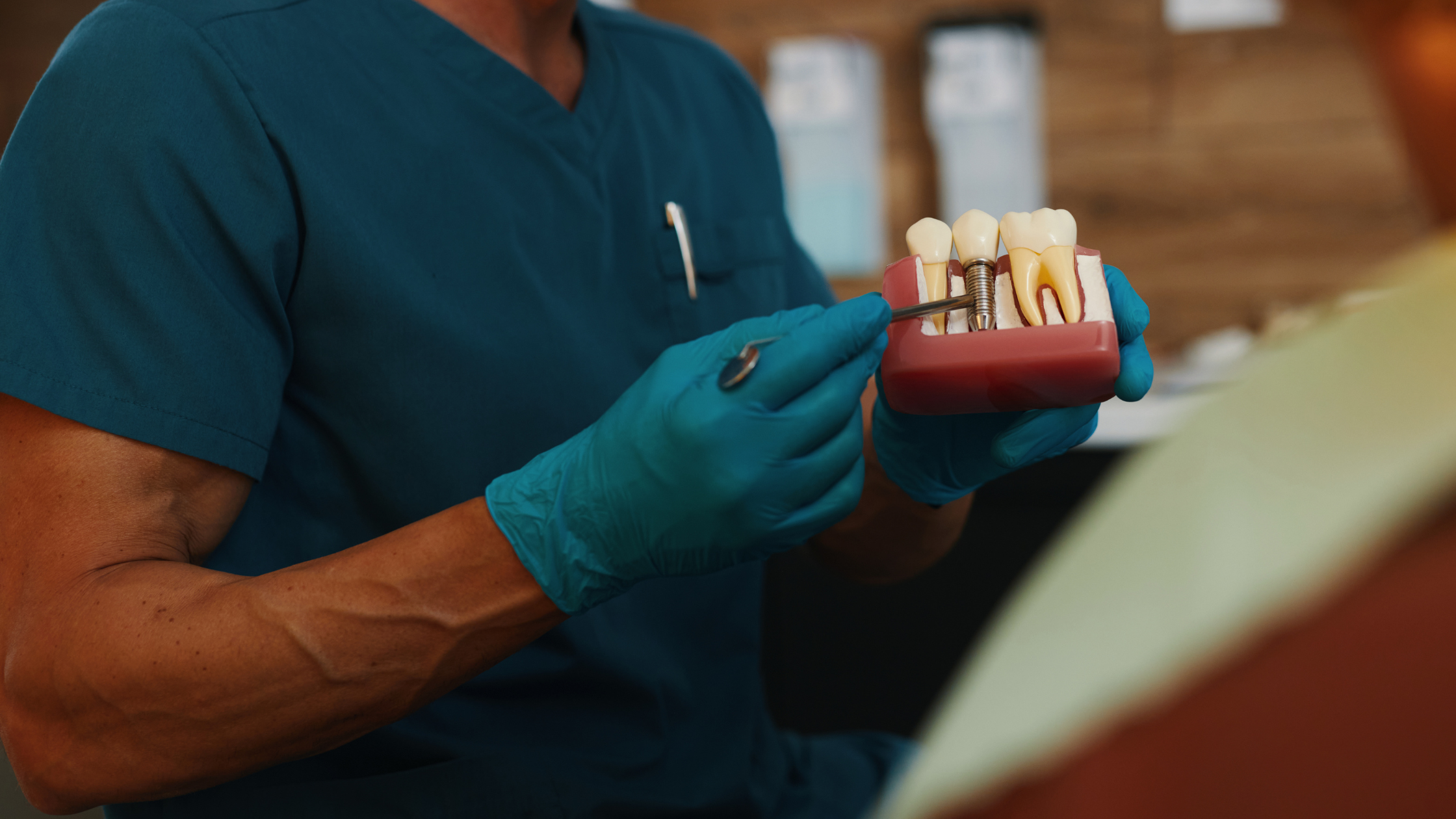
Dental implants are a reliable, long-term solution for missing teeth, but their success depends heavily on proper aftercare. Many patients wonder how to clean dental implants, what foods to avoid, and how to prevent future complications. The good news is that with consistent daily habits and routine dental visits, implants can remain strong, comfortable, and natural-looking for decades.
If you’ve recently received or are considering a dental implant in Beaverton, understanding how to care for it is just as important as the procedure itself. Proper maintenance protects the implant, surrounding gums, and jawbone—supporting your overall oral health.
Why Dental Implant Care Matters Long-Term
Although implants are made from durable materials like titanium and porcelain, they still rely on healthy gums and jawbone for support. Without consistent care, plaque and bacteria can accumulate around the implant, leading to inflammation or infection of the surrounding tissue. Over time, this can compromise stability and comfort.
Long-term care is about prevention. Maintaining clean gums, managing bite forces, and keeping regular dental visits all play a role in helping implants function like natural teeth.
How Daily Habits Impact Implant Health
Brushing and Flossing Consistently
Implants require the same level of daily hygiene as natural teeth. Brushing twice a day with a soft-bristled toothbrush helps remove plaque along the gumline. Flossing or using interdental cleaners is equally important to clean areas where a toothbrush can’t reach.
Choosing the Right Oral Care Tools
Some patients benefit from tools like water flossers or implant-specific brushes, which can gently clean around implant restorations without irritating the gums. Using non-abrasive toothpaste can also help protect the surface of the implant crown.
Being Mindful of Diet
While implants are strong, consistently chewing on ice, hard candies, or non-food items can place unnecessary stress on the restoration. A balanced diet that supports gum health and limits sugary snacks can reduce the risk of inflammation around the implant.
Common Mistakes Patients Make After Implants
One common misconception is that implants don’t need professional monitoring because they can’t decay. While it’s true implants don’t get cavities, the surrounding gum tissue can still become inflamed if plaque isn’t controlled.
Another mistake is skipping routine dental visits. Even when an implant feels fine, early signs of gum or bone changes may not be noticeable without a professional exam.
Warning Signs That Should Not Be Ignored
Contact your dentist if you notice:
- Redness or swelling around the implant
- Bleeding gums
- Pain or discomfort when chewing
- A loose feeling or changes in bite alignment
Early treatment often prevents more serious complications and protects the supporting bone and gums.
How Professional Dental Monitoring Supports Implant Success
Regular dental checkups allow your dentist to monitor the health of your gums, bone, and bite alignment. Professional cleanings remove hardened plaque that can’t be addressed with at-home care alone. These visits also provide an opportunity to adjust hygiene techniques or identify habits that may be affecting implant longevity.
For patients balancing work, family, and busy schedules, consistent follow-ups help ensure implant care stays on track without disrupting daily routines.
A Thoughtful Next Step for Local Patients
If you notice ongoing discomfort or have questions about maintaining your implant, scheduling a professional evaluation can provide clarity and reassurance. Murray Scholls Family Dental offers additional context when you visit our dental office in Beaverton, with a focus on long-term oral health and maintaining comfort over time.
Frequently Asked Questions
1. How should I clean my dental implant every day?
Brush twice daily, floss carefully around the implant, and consider tools like water flossers to keep the gumline clean.
2. What are early signs of implant-related problems?
Redness, swelling, bleeding gums, or discomfort around the implant area may indicate an issue that should be evaluated.
3. Is some sensitivity normal after getting an implant?
Mild sensitivity can occur initially, but persistent pain or pressure should be checked by a dental professional.
4. When should I schedule a dental visit after implant treatment?
Regular checkups are recommended, and you should schedule an appointment sooner if you notice changes in comfort or fit.
5. How long can dental implants last with proper care?
With consistent hygiene and professional monitoring, implants can last for many years and often decades.
Recent Posts

August 18, 2026
Can Veneers Fix Gapped or Uneven Teeth?

August 13, 2026
Can Veneers Stain? What to Know About Coffee, Tea, and Wine

August 6, 2026
Best Dentist for Kids Near Beaverton, OR: What to Look For

July 29, 2026
7 Signs You Need a Dental Implant (And What to Do Next)
July 21, 2026