503-590-7574

Blog
White Spots on Gums or Tongue: Should I Be Worried?
February 14, 2026
Dental Care
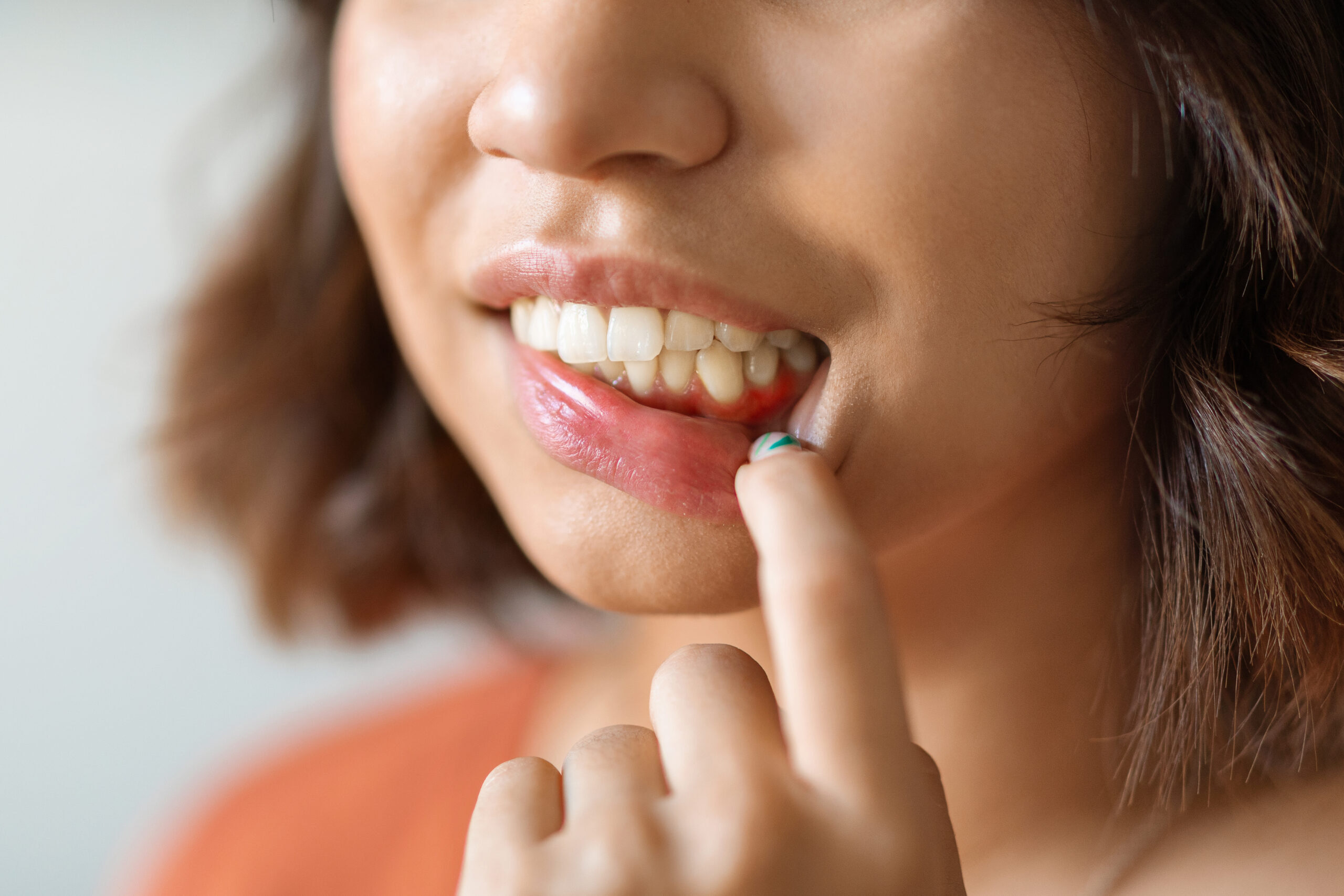
You’re brushing your teeth before heading to work, getting the kids ready for school, or preparing for a weekend event in Beaverton when you notice something unusual — a pale patch on your gums or a white spot on your tongue. It doesn’t necessarily hurt, but it wasn’t there yesterday. Naturally, questions come up. Is it something minor? Should you wait? Or is it time to have it checked?
This Is a Common Concern We See During Routine Checkups
Changes inside the mouth can feel concerning simply because they’re unexpected. Many patients in Beaverton mention noticing white spots while going through their normal routines — getting ready for the day, winding down in the evening, or helping a child brush before bed. In most cases, these spots are harmless and temporary. Still, having clarity brings reassurance.
Many patients aren’t sure whether they should see a dentist in Beaverton when they notice white spots. In most situations, these changes can be evaluated during a comprehensive exam with a trusted local dental provider, allowing the area to be assessed for irritation, infection, or simple tissue changes that only require monitoring. A careful look at the color, texture, and how long it’s been present helps guide next steps.
We often hear from patients who appreciate clear explanations and a comfortable environment when concerns arise:
“They always greet me with smiles, answer all my questions, and work efficiently and effectively. The staff is inviting, friendly, and create a caring atmosphere. I love walking out with a brighter smile after each visit!”
– Kristy Frey
Feedback like this reflects what matters most during any oral health evaluation — feeling heard, informed, and at ease. You can read more about what people are saying about us and the experiences shared by families throughout the community.
What Can Cause White Spots on Gums or Tongue?
White patches inside the mouth can develop for several reasons. Most are minor and improve on their own.
Minor Irritation
Everyday habits can lead to temporary changes in the tissue:
- Brushing too firmly
- Accidentally biting the cheek
- Irritation from dental appliances
- Rubbing against a sharp tooth edge
This type of friction can cause the outer layer of tissue to thicken slightly, creating a white appearance known as frictional keratosis.
Healing Ulcers
Canker sores, also called aphthous ulcers, often develop a white or yellowish center as they heal. That pale appearance is simply part of the body’s repair process. These sores usually resolve within 7 to 10 days without treatment.
Because healing ulcers can temporarily look like white patches, patients sometimes confuse them with other conditions. If you’re trying to determine whether a sore is something to monitor or whether you should still keep a scheduled appointment, our article on going to the dentist with a canker sore explains what to expect and when evaluation makes sense.
In most cases, if the area improves within a week or two, it’s simply normal healing tissue.
Oral Thrush
A mild fungal overgrowth can cause creamy white patches, sometimes accompanied by redness underneath. This is more common after antibiotic use, with inhaler medications, or in cases of dry mouth.
Plaque Buildup
Sometimes what appears to be a white patch is simply biofilm accumulation, especially on the tongue. Gentle brushing and proper hygiene often improve this quickly.
Dry Mouth
Reduced saliva can make tissues more vulnerable to irritation and fungal imbalance, leading to pale or white changes.
When Are White Spots Harmless?
In many cases, observation is appropriate.
White patches are often harmless if they:
- Improve within one to two weeks
- Do not grow in size
- Are not painful
- Do not feel thick or hardened
Busy schedules in Beaverton — commuting toward Portland for work, managing school activities, or balancing family routines — sometimes mean it’s reasonable to monitor mild changes for a short period.
If the area begins to improve within a week, it’s often simply a response to temporary irritation or a short-term immune reaction.
When Should You Schedule an Evaluation?
While most white spots are benign, certain signs indicate it’s time for a closer look:
- The patch lasts longer than two weeks
- It becomes painful or tender
- It spreads or thickens
- The texture feels rough or firm
- You notice additional symptoms such as difficulty swallowing
Occasionally, persistent white patches may represent leukoplakia, which is a thickening of tissue that should be monitored. Early evaluation does not mean something serious is happening — it simply ensures that any necessary care can begin conservatively.
What a General Dentist Looks For
During an evaluation, several factors are considered:
Color
Is the area bright white, creamy, translucent, or mixed with redness?
Texture
Does it wipe away easily, or is it firmly attached?
Location
Is it on the tongue, inner cheek, gumline, or another area?
Duration
How long has it been present? Has it changed?
Medical History
Recent illness, medications, stress, or lifestyle changes all matter.
Most examinations are straightforward and non-invasive. The goal is to gather information and determine whether monitoring or simple treatment is appropriate.
A Dentist’s Perspective on Oral Changes
One of the most important aspects of oral health care is patient education. When someone notices a white spot, the first step is not jumping to conclusions — it’s understanding context.
Dr. Scott Walker, Dr. Nicolas Maxim, and Dr. Jessica Walker Hall all emphasize clear communication. Explaining what the tissue looks like, why it may have changed, and what to watch for empowers patients. Often, the approach is conservative monitoring rather than immediate intervention.
Patients are encouraged to ask questions and describe what they’ve observed. Being heard is just as important as the clinical evaluation itself. That calm, measured approach reduces unnecessary worry while still prioritizing thorough care.
Practical Steps While Monitoring a White Spot
If you’re observing a mild white patch, consider:
- Using a soft-bristled toothbrush
- Avoiding spicy or acidic foods
- Staying hydrated
- Maintaining consistent oral hygiene
- Watching for changes in size, texture, or discomfort
Avoid scraping or aggressively brushing the area, as this may worsen irritation.
Local Perspective
In Beaverton, it’s common for patients to mention noticing oral changes during busy mornings or before community gatherings. Families traveling between Beaverton and Tigard for work or school often prefer addressing concerns promptly rather than letting uncertainty linger.
Having access to experienced general dental care within the community allows for thoughtful evaluation without disruption to daily life.
A Thoughtful Next Step
If you’ve noticed a white patch that hasn’t improved or simply want reassurance, scheduling an evaluation can help you understand what’s happening and whether it requires treatment or simple monitoring. Oral changes are common, and most are manageable when assessed early and calmly.
Staying attentive to small changes supports long-term oral health — without unnecessary alarm.
If you would like a professional evaluation or simply want peace of mind, you’re welcome to visit our dental practice in Beaverton to have the area examined in a comfortable, patient-focused setting. Clear answers often make all the difference.
FAQs
1. Are white spots in the mouth always serious?
No. Most white spots are caused by minor irritation, healing ulcers, or mild fungal changes and resolve on their own.
2. Can stress cause white patches in the mouth?
Stress can contribute to canker sores and immune changes, which may lead to temporary white areas during healing.
3. How long should I wait before seeing a dentist?
If the spot hasn’t improved within two weeks or begins changing in appearance, it’s wise to schedule an evaluation.
4. Can poor oral hygiene cause white spots?
Yes. Plaque buildup, especially on the tongue, can create a white coating that improves with proper cleaning.
5. Are white spots on the tongue the same as thrush?
Not always. Thrush often presents as creamy patches that may reveal redness underneath, but other harmless conditions can look similar. A professional evaluation can clarify the difference.
Recent Posts

August 18, 2026
Can Veneers Fix Gapped or Uneven Teeth?

August 13, 2026
Can Veneers Stain? What to Know About Coffee, Tea, and Wine

August 6, 2026
Best Dentist for Kids Near Beaverton, OR: What to Look For

July 29, 2026
7 Signs You Need a Dental Implant (And What to Do Next)
July 21, 2026