503-590-7574

Blog
How to Care for Dental Implants: Essential Tips
March 30, 2026
Dental Implants
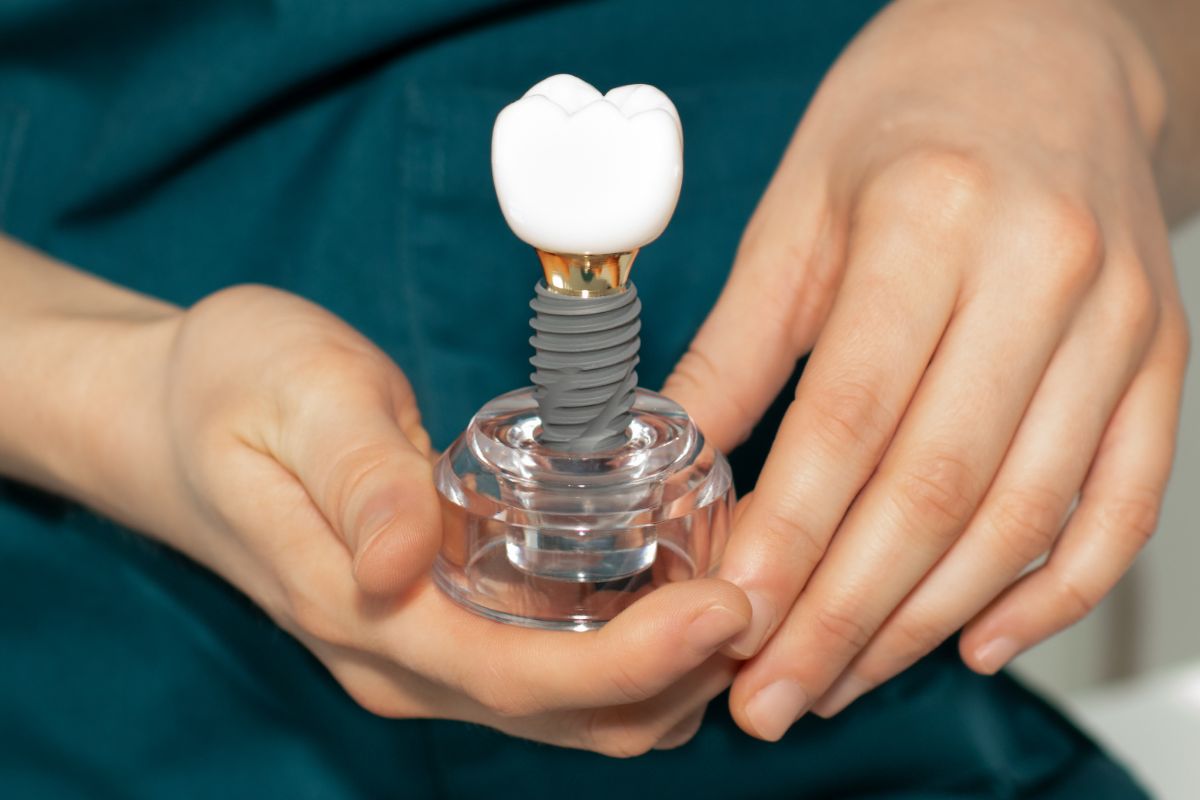
Many patients who replace missing teeth with implants share the same goal: they want their restored smile to stay strong and dependable for many years. After investing in a long-lasting tooth replacement, it’s natural to wonder what daily habits will help protect it. Patients often ask whether implants require special care or if they can simply treat them like natural teeth.
In reality, caring for implants is very similar to maintaining healthy teeth and gums. Good oral hygiene, regular dental visits, and a few mindful habits can help ensure long-term success. Patients who have received implant tooth replacement often find that a consistent care routine keeps their smile comfortable and functional for decades. For many individuals considering tooth replacement in the Beaverton area, understanding these habits early can make a significant difference in long-term results.
Why Proper Dental Implant Care Matters
Dental implants are designed to be durable and stable, but they still rely on healthy gums and strong bone support. The implant itself is made of biocompatible materials that integrate with the jawbone, creating a secure foundation for a crown or restoration.
However, the surrounding gum tissue still needs proper care. Plaque buildup or gum inflammation around implants can affect long-term stability if left untreated. Maintaining healthy gums helps support the implant and protects the bone structure beneath it.
Many patients also benefit from understanding the broader advantages of this type of restoration. Learning more about the benefits of implant tooth replacement can help explain why maintaining healthy habits is essential for preserving both appearance and function over time.
Daily Oral Hygiene Habits for Dental Implants
A consistent oral hygiene routine plays a major role in protecting implants and the surrounding tissues. Fortunately, the habits that support natural teeth also help maintain implant restorations.
Helpful daily practices include:
- Brushing twice each day using a soft-bristle toothbrush
- Cleaning gently around the implant crown and gumline
- Flossing daily to remove plaque between teeth and around the implant
- Using interdental brushes or water flossers to clean areas that are harder to reach
- Choosing non-abrasive toothpaste to protect both natural enamel and restorations
These steps help control plaque buildup and reduce the risk of gum irritation around the implant. Many patients find that once these habits become routine, caring for implants feels just as simple as caring for their natural teeth.
Foods and Habits to Be Careful With
Implants are strong, but certain habits can place unnecessary stress on dental restorations. Being mindful of these behaviors helps protect both the implant and the surrounding teeth.
Patients are often advised to be cautious with:
- Very hard foods, such as chewing ice or hard candies
- Opening packages with teeth
- Frequent consumption of extremely sticky foods
- Smoking, which can affect gum health and healing
- Excessive alcohol use, which may contribute to inflammation
- Teeth grinding or clenching, which places pressure on restorations
For individuals with nighttime grinding, dentists may recommend a protective night guard to reduce stress on both natural teeth and implant crowns.
Why Regular Dental Visits Are Important
Routine dental checkups play a key role in protecting implant restorations over time. Even when everything feels comfortable, professional monitoring helps ensure the implant remains stable and healthy.
During regular visits, dentists may evaluate:
- The stability of the implant restoration
- Gum health around the implant site
- Signs of inflammation or plaque buildup
- Bite alignment and pressure distribution
Professional cleanings also remove plaque in areas that may be difficult to reach at home. Over time, these visits help support the long-term success of implant restorations. Patients who want to understand more about long-term expectations often find it helpful to explore information about how long dental implants typically last and the factors that influence their durability.
Caring for Dental Implants After Surgery
The early healing period after implant placement is especially important. While every patient’s recovery is slightly different, following post-treatment instructions helps support proper healing.
Dentists often recommend:
- Keeping the surgical area clean while avoiding excessive brushing near the site initially
- Eating soft foods during the early recovery period
- Avoiding smoking while healing occurs
- Following all prescribed oral rinsing instructions
Patients frequently ask questions about what to expect during recovery. Learning more about the healing process after implant placement can provide helpful guidance during this stage and reduce uncertainty about the recovery timeline.
How Long Dental Implants Can Last With Proper Care
One of the most appealing aspects of implant restorations is their potential longevity. When properly maintained, implants can remain stable and functional for many years.
Several factors influence how long they last, including:
- Daily oral hygiene habits
- Regular professional dental care
- Overall gum health
- Lifestyle habits such as smoking or teeth grinding
Patients sometimes wonder whether implants are meant to last indefinitely. Understanding whether implants can last a lifetime can help set realistic expectations and highlight the importance of consistent care.
How Dentists Help Protect Dental Implants Long-Term
While daily care at home is essential, professional dental care also plays an important role in maintaining implants.
Dentists typically support implant health by:
- Monitoring gum tissue around the implant
- Performing professional cleanings to reduce plaque buildup
- Evaluating bite alignment to prevent excessive pressure
- Identifying early signs of gum inflammation
- Providing guidance on oral hygiene techniques
This collaborative approach between patient and dentist helps support long-term implant success and protects the surrounding teeth and gums.
Supporting the Long-Term Health of Your Implant
Patients who have received implant restorations often feel reassured knowing that simple daily habits can help protect their smile for years to come. Maintaining a consistent oral hygiene routine and attending regular dental visits are two of the most effective ways to support implant stability.
If you have questions about caring for your implant restoration or want to review your current oral health routine, it may be helpful to speak with a dental professional. You can request an appointment to discuss your concerns and receive personalized guidance for maintaining your smile.
FAQs
How should I clean around a dental implant?
Cleaning around an implant is similar to caring for natural teeth. Brushing twice daily, flossing carefully around the implant crown, and using interdental brushes or water flossers can help remove plaque and keep gums healthy.
Can dental implants develop gum disease?
While the implant itself cannot decay, the surrounding gum tissue can still become inflamed if plaque accumulates. Maintaining good oral hygiene and attending regular dental visits helps reduce this risk.
What foods should I avoid with dental implants?
Extremely hard foods, chewing ice, and opening objects with your teeth can place stress on restorations. Most patients can enjoy a normal diet but should be mindful of habits that could damage dental work.
How often should implants be checked by a dentist?
Most patients benefit from routine dental checkups every six months. These visits allow dentists to evaluate gum health, ensure implant stability, and perform professional cleanings.
What signs suggest an implant may need attention?
Symptoms such as persistent discomfort, swelling around the implant site, bleeding gums, or changes in bite alignment should be evaluated by a dentist to ensure the implant remains healthy and secure.
Recent Posts
August 18, 2026
Can Veneers Fix Gapped or Uneven Teeth?

August 13, 2026
Can Veneers Stain? What to Know About Coffee, Tea, and Wine

August 6, 2026
Best Dentist for Kids Near Beaverton, OR: What to Look For

July 29, 2026
7 Signs You Need a Dental Implant (And What to Do Next)
July 21, 2026