503-590-7574

Blog
How Smoking Affects Oral Health: What You Needs to Know
May 8, 2026
Blog
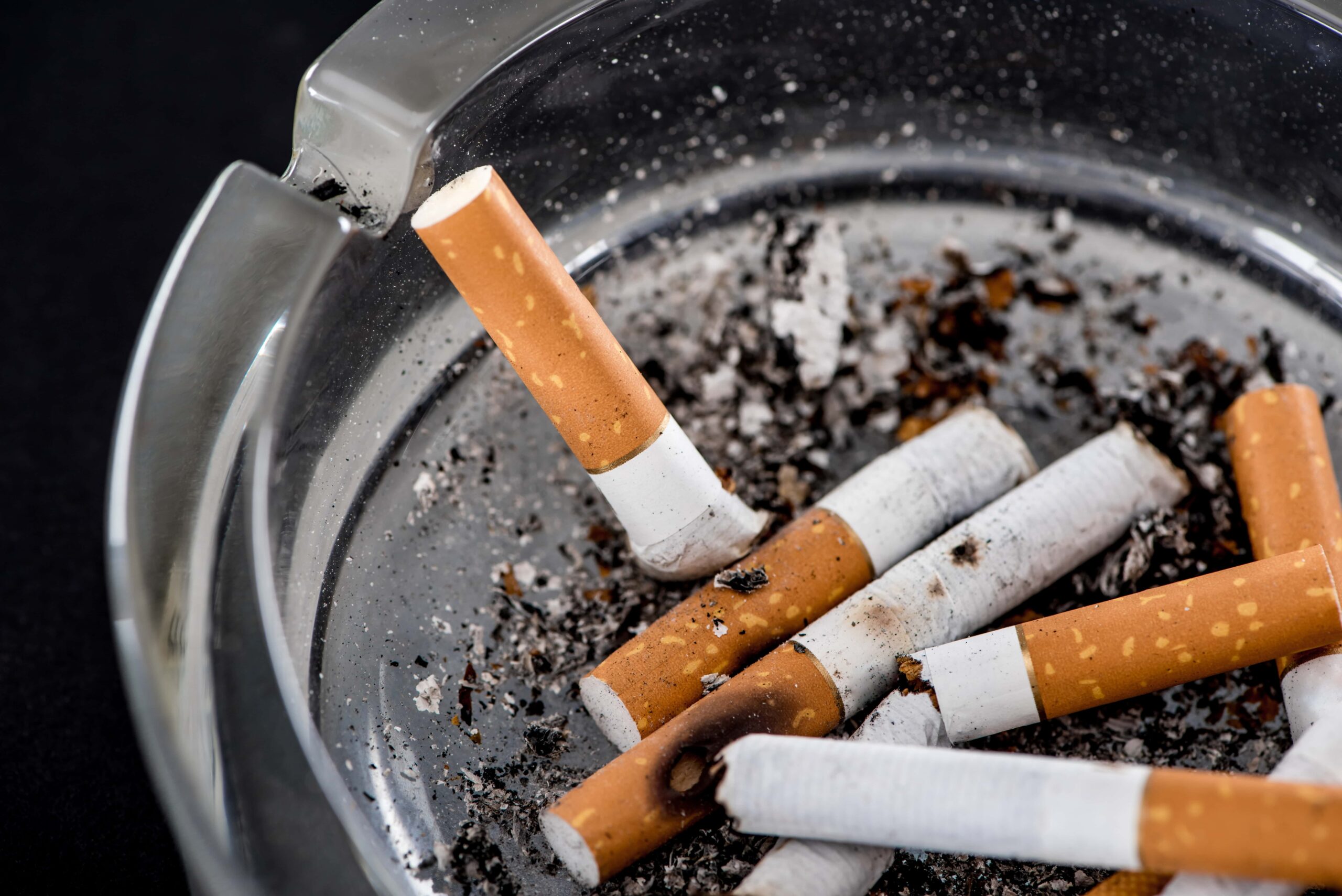
If you’re a smoker, you’ve likely heard warnings about lung disease and heart problems. But one area that doesn’t get nearly enough attention is what tobacco does to your mouth. Smoking affects oral health in ways that go far beyond yellow teeth — and for many patients, the consequences can be permanent.
At Murray Scholls Family Dental in Beaverton, OR, we see the effects of tobacco use in patients’ mouths regularly. This guide breaks down exactly what’s happening inside your mouth when you smoke — and what you can do to protect yourself.
Gum Disease: The #1 Oral Health Problem for Smokers
One of the most damaging effects of smoking on oral health is its impact on your gums. According to the Centers for Disease Control and Prevention (CDC), smokers are twice as likely to develop gum disease (periodontitis) compared to non-smokers — and the more you smoke, the greater your risk.
Here’s why: Tobacco use restricts blood flow to the gum tissue, which interferes with the body’s natural ability to fight infection and heal. The result? Bacteria multiply faster, plaque hardens into tartar more quickly, and gum tissue pulls away from teeth.
Warning signs of smoking-related gum disease include:
- Gums that bleed when you brush or floss
- Persistent bad breath (halitosis) that doesn’t go away with brushing
- Gum recession — teeth that appear longer than they used to
- Loose teeth or changes in your bite
- Pus between the teeth and gums
What makes this especially dangerous is that nicotine actually masks some of the classic symptoms of gum disease. Smokers often experience less visible bleeding, which can create a false sense that their gums are fine — when in fact the infection is progressing silently beneath the surface.
Tooth Loss, Bone Deterioration, and Implant Failure
Untreated gum disease leads directly to bone loss in the jaw. As the alveolar bone (the bone that supports your teeth) deteriorates, teeth lose their foundation and can fall out. The American Dental Association (ADA) recognizes tobacco use as one of the leading modifiable risk factors for tooth loss in adults.
For patients considering dental implants, smoking significantly increases the failure rate. Implants depend on a process called osseointegration — the implant fusing with the jawbone. Smoking impairs this process, reduces blood supply, and slows healing, all of which raise the odds that an implant won’t integrate properly.
If you’re in Beaverton, OR and thinking about tooth replacement options, it’s important to have an honest conversation about your tobacco use with your dental provider before moving forward.
Oral Cancer: The Most Serious Risk
Tobacco is a primary cause of oral cancer — cancers of the lips, tongue, cheeks, floor of the mouth, hard and soft palate, and throat. The National Cancer Institute reports that tobacco users are significantly more likely to develop oral cavity and oropharyngeal cancers than non-users.
Oral cancer is often diagnosed late because the early signs are easy to overlook or dismiss. What to watch for:
- A sore or ulcer in the mouth that doesn’t heal within two weeks
- Red or white patches on the gums, tongue, or cheek lining
- A persistent lump or thickening in the mouth or throat
- Difficulty chewing, swallowing, or speaking
- Unexplained numbness or pain in the mouth or face
Regular dental exams include an oral cancer screening — another reason why routine visits to a dentist in Beaverton, OR are especially important for tobacco users. Early detection dramatically improves outcomes.
How Tobacco Harms Your Teeth
Beyond the gum and bone issues, smoking affects teeth directly in a number of ways:
Staining and discoloration. Tar and nicotine bind to tooth enamel and cause deep, stubborn staining that standard whitening products often can’t touch. Professional cleaning can help, but as long as tobacco use continues, staining will return.
Enamel erosion. Tobacco smoke creates an acidic oral environment that gradually weakens enamel — the hard outer layer that protects teeth from decay. Weakened enamel increases your cavity risk and can make teeth sensitive to heat, cold, and sweet foods.
Dry mouth (xerostomia). Smoking reduces saliva flow. Saliva isn’t just there to keep your mouth comfortable — it neutralizes acids, washes away bacteria, and helps remineralize enamel. Without enough of it, your decay risk rises substantially.
Delayed healing. If you’ve had an extraction, gum surgery, or any dental procedure, smoking slows healing and increases your infection risk. This is particularly dangerous after a tooth extraction, where smoking can cause a painful condition called dry socket (alveolar osteitis).
Smokeless Tobacco: Not a Safe Alternative
Some patients switch to chewing tobacco or snuff believing it’s better for their oral health. It isn’t. Smokeless tobacco contains over 25 known carcinogens and dramatically increases the risk of oral cancer, gum recession, tooth decay (especially along the gumline where the tobacco sits), and bone loss.
Smokeless tobacco users face a four-times greater risk of developing oral cancer compared to non-users. The nicotine in smokeless products is also highly addictive and can lead to long-term dependence.
What Dentists Look for in Tobacco Users
When a patient uses tobacco, a thorough dental exam goes beyond checking for cavities. Your dentist will look for:
- Periodontal pocket depth (spaces between teeth and gums, a marker of gum disease severity)
- Bone levels via dental X-rays
- Soft tissue changes, including leukoplakia (white patches) or erythroplakia (red patches) that may indicate precancerous changes
- Healing quality following any recent procedures
- Salivary gland function
This is why it’s important to tell your dentist honestly about your tobacco use, including how much and what type. The information shapes the entire treatment and monitoring approach.
Can the Damage Be Reversed?
Some effects of smoking on oral health can improve after quitting — but not all of them. Here’s a realistic breakdown:
- Gum disease: With professional treatment and consistent oral hygiene, gum disease can be managed and stabilized. However, bone that has already been lost generally does not regenerate on its own.
- Staining: Professional whitening and polishing can address surface stains, though deep enamel staining may be permanent.
- Oral cancer risk: Your risk begins to decrease after quitting, but it takes years to approach the baseline risk of someone who never smoked.
- Healing: Once you stop smoking, your circulation improves and your mouth’s ability to heal from procedures gets better relatively quickly.
The earlier you quit, the better the outcome — and the better your dentist can help you.
Taking the Next Step in Beaverton, OR
If you smoke or use tobacco and you haven’t had a dental exam in a while, now is the time to schedule one. The effects of smoking on oral health are cumulative — the longer the exposure, the more complex the treatment.
At Murray Scholls Family Dental, we provide thorough, judgment-free dental care for patients of all backgrounds in Beaverton and the surrounding 97007 area. Whether you’re dealing with gum disease, staining, or just want a baseline checkup, our team can help you understand where you stand and what options are available.
You deserve honest information and a care plan that works for your life — tobacco use and all.
FAQs
Can smoking cause tooth loss?
Yes. Smoking is a leading risk factor for gum disease (periodontitis), which destroys the bone and tissue supporting your teeth. As this supporting structure breaks down, teeth loosen and can fall out. The CDC identifies tobacco use as one of the most significant preventable causes of tooth loss in adults.
Does quitting smoking improve oral health?
It can, yes. After quitting, gum tissue tends to become healthier, healing improves, and your oral cancer risk gradually decreases over time. However, bone that has already been lost to gum disease doesn’t typically regenerate without surgical intervention. Quitting sooner leads to better outcomes.
Is smokeless tobacco safer for your teeth than cigarettes?
No. Smokeless tobacco causes its own distinct set of oral health problems, including gum recession, enamel decay along the gumline, and a significantly elevated risk of oral cancer. It is not a safe alternative to cigarettes.
How often should smokers see a dentist?
Most dental professionals recommend that tobacco users visit every 3–4 months rather than every 6, due to their elevated risk for gum disease, oral cancer, and other complications. More frequent professional cleanings also help control plaque and tartar buildup that accelerates with tobacco use.
What does a dentist check for during an oral cancer screening?
During an oral cancer screening, your dentist examines the lips, tongue, cheeks, palate, and throat for unusual sores, red or white patches, lumps, or other tissue changes. The exam is quick, painless, and can be completed as part of a standard dental visit.
Recent Posts

August 18, 2026
Can Veneers Fix Gapped or Uneven Teeth?

August 13, 2026
Can Veneers Stain? What to Know About Coffee, Tea, and Wine
August 6, 2026
Best Dentist for Kids Near Beaverton, OR: What to Look For

July 29, 2026
7 Signs You Need a Dental Implant (And What to Do Next)
July 21, 2026