503-590-7574

Blog
Why Does My Tooth Hurts After a Crown, and Is It Normal?
November 23, 2026
Dental Crown
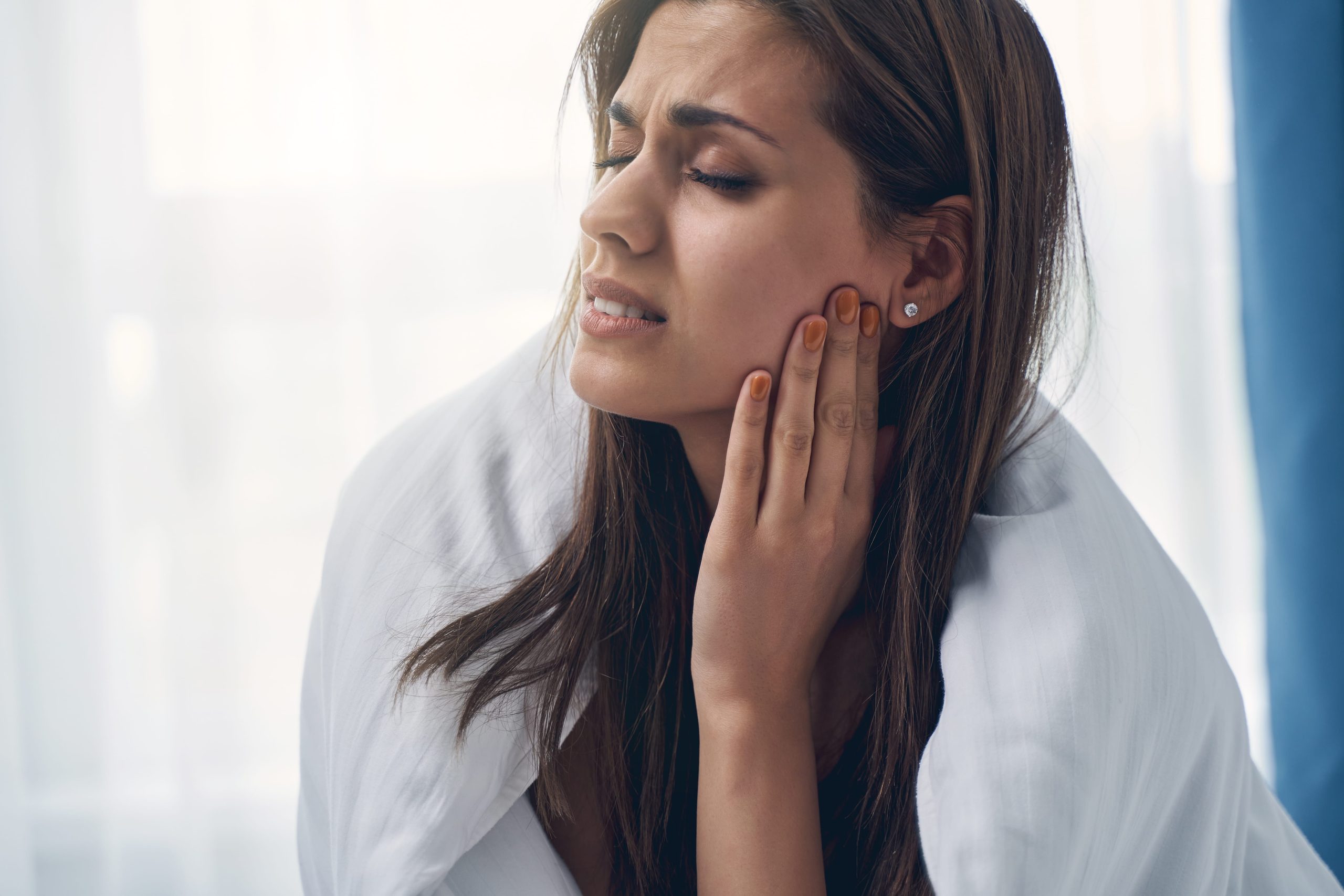
Mild tooth sensitivity or discomfort after crown placement is common and often improves as the tooth and surrounding tissues adjust. Patients receiving dental crown treatment at Murray Scholls Family Dental may experience temporary sensitivity to temperature, pressure, or chewing after the procedure.
A dental crown restores a damaged tooth by covering its visible portion. Crown preparation involves reshaping the tooth and may temporarily irritate the pulp or surrounding tissues. However, persistent, severe, or worsening pain requires dental evaluation because it may indicate an underlying problem.
Is Tooth Pain After a Dental Crown Normal?
Some sensitivity or mild soreness after crown placement is normal, particularly when the tooth has undergone extensive preparation. Discomfort may occur while the tooth and surrounding tissues recover.
Common post-crown symptoms include:
- Temperature sensitivity: Cold drinks or hot foods may trigger brief discomfort.
- Pressure sensitivity: Biting or chewing may temporarily feel uncomfortable.
- Gum soreness: The gum tissue near the crown may feel irritated.
- Mild tenderness: The tooth may feel sensitive when touched or used for chewing.
These symptoms should generally improve rather than progressively worsen. Persistent pain, swelling, or significant discomfort should not be ignored.
Why Does My Tooth Hurt After Getting a Crown?
A tooth may hurt after crown placement because of pulp irritation, bite imbalance, gum irritation, or an underlying dental condition. The specific cause depends on the symptoms and clinical findings.
Can crown preparation cause tooth sensitivity?
Crown preparation can irritate the pulp, which contains nerves and blood vessels inside the tooth. The irritation may cause temporary sensitivity to cold, heat, or pressure.
Sensitivity may be more noticeable when the tooth had deep decay, extensive restorations, or previous trauma. If the pulp becomes severely inflamed, additional treatment, including root canal therapy, may be necessary.
Can a crown that is too high cause pain?
A crown that sits too high can cause pain because it receives excessive pressure when you bite or close your teeth. This uneven contact can make the tooth feel sore or tender.
Symptoms of a high crown may include:
- Pain while chewing.
- A feeling that the crowned tooth touches first.
- Jaw discomfort when closing your mouth.
- Tooth tenderness that increases with biting pressure.
A dentist can assess your bite and adjust the crown when necessary. Do not attempt to adjust the crown yourself.
Can gum irritation cause pain around a crown?
Gum irritation around a crown can cause localized soreness, tenderness, or bleeding during brushing. The gum tissue may become irritated during crown preparation, placement, or cleaning.
Poor plaque control around the crown may also contribute to gingival inflammation. Brush gently along the gumline and floss around the restoration to maintain oral hygiene.
Can an underlying infection cause crown pain?
Persistent or worsening pain may indicate pulp inflammation, infection, or another dental problem that requires professional evaluation. A crown does not eliminate the risk of decay, infection, or damage to the tooth.
Possible causes include deep decay, a cracked tooth, pulp damage, or infection around the root. A dentist may use an examination, bite assessment, and dental X-rays to identify the cause.
How Long Does Tooth Pain After a Crown Last?
Mild sensitivity after a crown may last several days or a few weeks, depending on the tooth’s condition and the extent of treatment. The symptoms should gradually decrease.
Recovery varies according to factors such as:
- The amount of tooth structure removed.
- Whether the tooth had deep decay.
- The presence of preexisting pulp inflammation.
- Bite alignment and crown fit.
- Gum tissue response.
If sensitivity persists without improvement, or if the pain becomes more severe, schedule a dental examination.
What Can I Do to Relieve Tooth Pain After a Crown?
You can reduce mild crown-related discomfort by avoiding temperature extremes, chewing gently, and maintaining oral hygiene. Follow your dentist’s instructions while the tooth recovers.
Consider these measures:
- Eat soft foods, such as yogurt, eggs, and cooked vegetables.
- Avoid hard foods, such as nuts, ice, and hard candy.
- Brush gently using a soft-bristled toothbrush.
- Use a sensitivity toothpaste containing fluoride.
- Take over-the-counter pain medication only as directed and when medically appropriate.
Avoid chewing hard foods directly on the crowned tooth if it remains tender.
When Should I See a Dentist for Crown Pain?
Contact your dentist if crown-related pain is severe, worsening, persistent, or accompanied by swelling. These symptoms may require prompt evaluation and treatment.
Seek dental attention for:
- Severe pain when biting.
- Persistent throbbing or spontaneous pain.
- Facial or gum swelling.
- Fever or signs of infection.
- A loose, cracked, or damaged crown.
- A bite that feels uneven.
Facial swelling accompanied by difficulty breathing or swallowing requires emergency medical attention.
Where Can I Get Help for Tooth Pain After a Crown in Beaverton?
Murray Scholls Family Dental provides restorative dental care in Beaverton, Oregon, including dental crowns and evaluation of dental concerns. An examination can help determine whether crown-related pain requires bite adjustment, monitoring, or additional treatment.
Patients experiencing discomfort after a crown can visit the Murray Scholls Family Dental website to request an appointment.
FAQs
How long should a tooth hurt after a crown?
Mild sensitivity may last several days or a few weeks, but persistent or worsening pain should be evaluated by a dentist.
Why does my crown tooth hurt when I bite down?
Pain when biting may indicate a high crown, tooth inflammation, or an underlying structural problem.
Can a crowned tooth still need a root canal?
Yes, a crowned tooth may require root canal treatment if its pulp becomes inflamed or infected.
Should I be worried about sensitivity to cold after a crown?
Brief cold sensitivity can occur after crown placement, but prolonged or worsening sensitivity warrants dental evaluation.
Recent Posts
November 23, 2026
Why Does My Tooth Hurts After a Crown, and Is It Normal?

November 19, 2026
How Do I Switch Dentists and Transfer My Dental Records?
November 19, 2026
Do I Need a Crown After a Root Canal?
November 10, 2026
Veneers vs. Bonding: Which Actually Lasts Longer and Costs Less
November 10, 2026