503-590-7574

Blog
Do I Need a Crown After a Root Canal?
November 19, 2026
Dental Crown
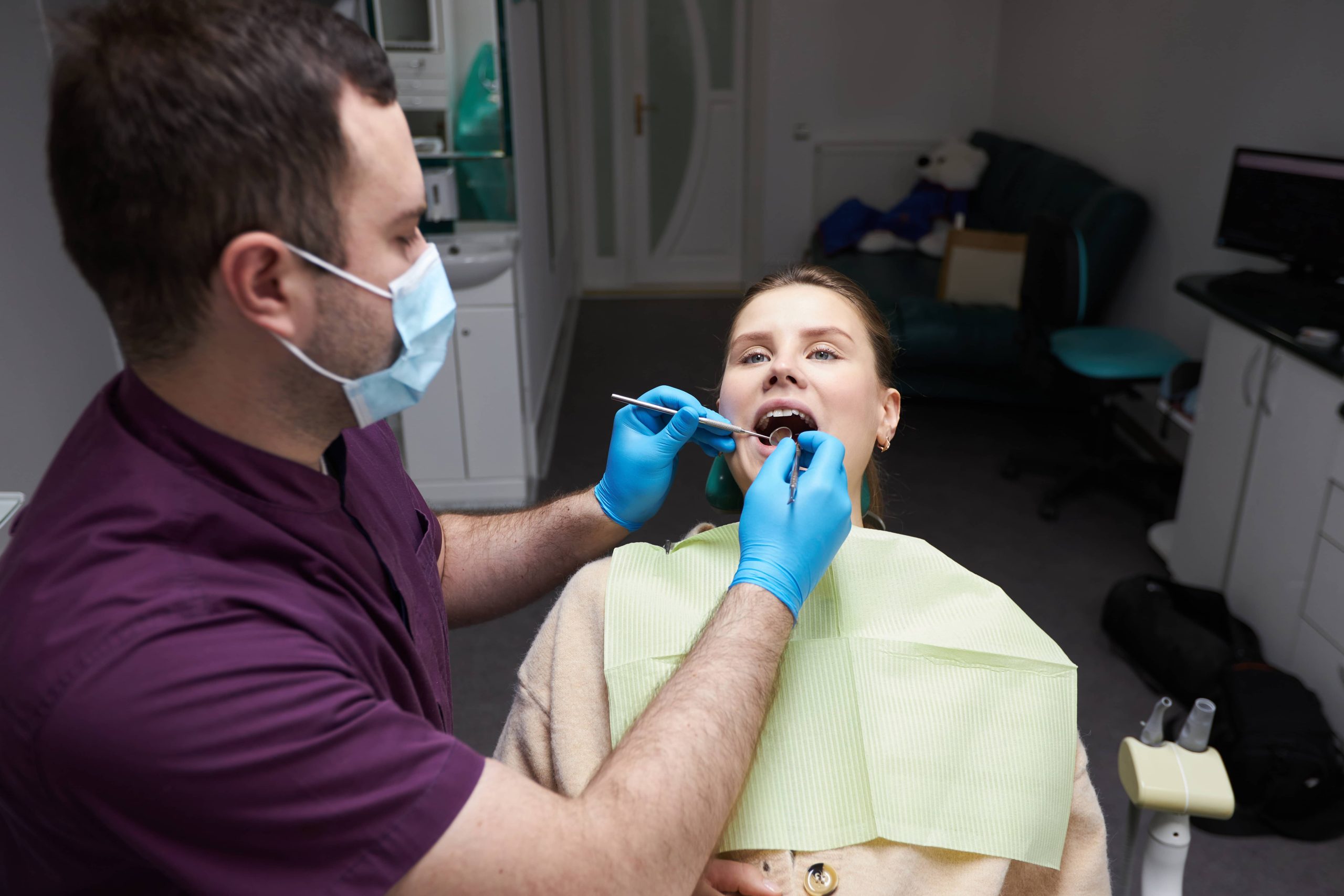
A dental crown is often recommended after root canal treatment to protect a weakened tooth from fracture and restore chewing function. At Murray Scholls Family Dental’s dental crown services, patients can learn how restoring a treated tooth helps preserve its structure and function.
Root canal therapy removes infected or damaged pulp from inside a tooth. Although the procedure eliminates the diseased tissue, the remaining tooth may have lost significant structural strength from decay, cracks, or previous dental work. A crown can cover and reinforce the tooth when its remaining structure requires additional protection.
Why Is a Crown Recommended After Root Canal Treatment?
A crown is recommended after root canal treatment when the remaining tooth structure is too weak to withstand normal biting and chewing forces. It covers the visible portion of the tooth and helps reduce the risk of fractures.
Root canal treatment involves removing the infected pulp, cleaning the root canals, and sealing them with dental materials. The procedure treats the infection inside the tooth but does not automatically restore all the structural strength lost before treatment.
A crown may help:
- Protect weakened tooth walls from breaking.
- Restore chewing function.
- Cover cracks or extensive restorations.
- Maintain the tooth’s shape and alignment.
- Reduce the likelihood of additional restorative treatment.
The need for a crown depends on the tooth’s location, remaining structure, and extent of damage.
Does Every Tooth Need a Crown After a Root Canal?
Not every tooth requires a crown after root canal treatment, but molars and premolars commonly need one because they withstand substantial chewing forces. The final restoration depends on how much healthy tooth structure remains.
Dentists generally assess the following factors before recommending a restoration:
- Tooth location: Back teeth, including molars and premolars, experience considerable pressure during chewing.
- Remaining tooth structure: Teeth with extensive decay or large fillings may need full coverage.
- Cracks or fractures: Damaged tooth walls may require protection against further splitting.
- Biting forces: Teeth exposed to heavy chewing pressure may need additional reinforcement.
Some front teeth may be restored with bonded fillings when sufficient healthy structure remains. The dentist determines whether a crown or a more conservative restoration is appropriate.
When Should I Get a Crown After a Root Canal?
A permanent crown or other final restoration should be placed as soon as your dentist determines the tooth is ready for restoration. Delaying the restoration can expose the tooth to fracture or bacterial contamination.
After root canal treatment, your dentist may place a temporary filling to seal the access opening. This temporary material protects the tooth until the permanent restoration is ready.
The timing depends on the tooth’s condition, infection status, and treatment plan. Avoid biting hard foods with the treated tooth until it receives its final restoration.
The American Association of Endodontists recommends returning to your general dentist promptly after endodontic treatment to restore the tooth.
What Happens If I Do Not Get a Crown After a Root Canal?
A root canal-treated tooth without adequate protection may fracture, develop new decay, or become reinfected. The risk depends on the remaining tooth structure and the type of restoration.
Potential complications include:
- Tooth fracture: Thin or weakened tooth walls may crack under chewing pressure.
- Restoration failure: Temporary fillings may wear down, loosen, or fall out.
- Reinfection: Bacteria can enter if the tooth’s seal breaks or decay develops.
- Additional treatment: Severe damage may require retreatment or extraction.
Prompt restoration helps protect the tooth and maintain its long-term function.
How Does a Dental Crown Protect a Root Canal-Treated Tooth?
A dental crown covers the damaged tooth and distributes biting forces across its restored structure. This coverage helps protect vulnerable areas from additional damage.
Crowns may be made from materials such as porcelain, ceramic, zirconia, or metal-based alloys. The dentist selects a material based on the tooth’s location, functional requirements, and cosmetic considerations.
The crown procedure typically involves:
- Preparing the tooth to accommodate the crown.
- Taking a dental impression or digital scan.
- Placing a temporary crown when needed.
- Fabricating the permanent crown.
- Fitting, adjusting, and cementing the final restoration.
A properly fitted crown restores the tooth’s shape and chewing function while protecting its remaining structure.
How Much Does a Crown After a Root Canal Cost?
The cost of a crown depends on the material, tooth location, treatment complexity, and dental insurance coverage. An accurate estimate requires a clinical examination and review of your benefits.
Additional expenses may involve core buildup, diagnostic imaging, or other procedures needed to prepare the tooth. Dental insurance may cover part of the restoration, depending on the plan’s provisions.
Patients seeking dental crowns in Beaverton can visit Murray Scholls Family Dental to discuss restoration options and costs.
Where Can I Get a Crown After a Root Canal in Beaverton?
Murray Scholls Family Dental provides restorative dental care, including dental crowns, in Beaverton, Oregon. A dental evaluation can help determine the appropriate restoration after root canal treatment.
The practice offers restorative services, including root canal therapy and dental crowns. Patients can contact the office to request an appointment.
FAQs
Can I eat without a crown after a root canal?
You can eat soft foods, but avoid hard or chewy foods on the treated tooth until it receives its permanent restoration.
How long can I wait to get a crown after a root canal?
You should schedule the final restoration as soon as your dentist recommends to reduce the risk of fracture or reinfection.
Is a crown painful after a root canal?
Crown placement typically involves local anesthesia, so discomfort during preparation is generally minimized.
Can a root canal-treated tooth last without a crown?
Some root canal-treated teeth can last without crowns if sufficient healthy structure remains and a suitable alternative restoration is placed.
Recent Posts

November 23, 2026
Why Does My Tooth Hurts After a Crown, and Is It Normal?

November 19, 2026
How Do I Switch Dentists and Transfer My Dental Records?
November 19, 2026
Do I Need a Crown After a Root Canal?
November 10, 2026
Veneers vs. Bonding: Which Actually Lasts Longer and Costs Less
November 10, 2026