503-590-7574

Blog
3 Types of Sleep Apnea You Should Know – Murray Scholls Family Dental
February 20, 2023
Preventative Dentistry
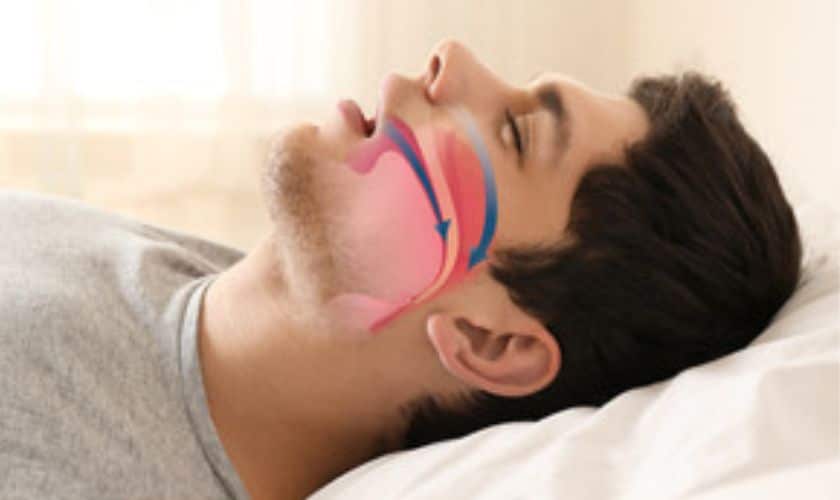
Do you ever feel tired during the day, despite getting plenty of sleep? You may be suffering from sleep apnea, a disorder where your breathing is disrupted during sleep. In this article, we’ll discuss three types of sleep apnea so that you can determine if you’re at risk for any of them. Whether or not you’re experiencing it now, understanding these common forms of sleep apnea will help you keep an eye out for potential problems in the future.
What Is Sleep Apnea?
Sleep apnea is a common sleep disorder in which breathing repeatedly stops and starts. If you have sleep apnea, you may snore loudly, and you may feel tired even after a full night’s sleep.
There are three types of sleep apnea: obstructive, central, and mixed. Obstructive sleep apnea (OSA) is the most common type. It happens when your throat muscles intermittently relax and block your airway during sleep. Central sleep apnea (CSA) occurs when your brain doesn’t send proper signals to the muscles that control your breathing. Mixed sleep apnea is a combination of both OSA and CSA.
OSA is the most common type of sleep apnea, affecting an estimated 22 million Americans. CSA is much less common, affecting an estimated 1-4% of adults. Mixed sleep apnea is relatively rare, occurring in an estimated 5-10% of cases.
Sleep apnea can occur at any age, but it is more common in adults over 40 and in people who are overweight. It is also more common in men than in women and people with certain medical conditions, such as high blood pressure or heart disease.
What are the Different Types of Sleep Apnea?
There are three primary types of sleep apnea: Obstructive, Central, and Mixed.
Obstructive sleep apnea (OSA) is the most common form of sleep apnea. It occurs when the muscles in the back of your throat relax, and your airway narrows or closes as you breathe in. This type of sleep apnea can cause snoring. OSAS is treatable with lifestyle changes, mouthpieces, surgeries, and continuous positive airway pressure (CPAP) devices.
Central sleep apnea (CSA) is less common than OSA. It occurs when your brain doesn’t send proper signals to the muscles that control your breathing. As a result, you may make shallow breaths or pause while you sleep. Heart failure, stroke, certain neuromuscular conditions, and the use of certain medications can cause CSA. Treatments for central sleep apnea include adjusting medications and using a CPAP device.
Mixed sleep apnea is a combination of both obstructive and central sleep apnea.
Obstructive Sleep Apnea
- Obstructive sleep apnea is a type of sleep apnea that occurs when your airway is blocked during sleep.
- This can happen due to things like excess weight, large tonsils, or a deviated septum.
- Obstructive sleep apnea can lead to things like snoring, restless nights, and daytime fatigue.
- If left untreated, it can also increase your risk for heart disease, stroke, and other health problems.
- If you have obstructive sleep apnea, talk to your doctor about it. There are treatments available that can help you get the restful sleep you need.
Treatment Options for Each Type
There are three primary types of sleep apnea: obstructive, central, and mixed. Each type has its own set of treatment options.
Obstructive sleep apnea is the most common type of sleep apnea. It occurs when the muscles in the back of the throat relax, causing the airway to narrow or close. This can cause snoring and difficulty breathing. Treatment options for obstructive sleep apnea include:
- Continuous positive airway pressure (CPAP): A CPAP machine delivers a constant stream of air through a mask that covers your nose and mouth. The air pressure keeps your airway from collapsing while you sleep.
- Oral appliances: These devices are worn in the mouth while you sleep and help to keep your airway open by bringing your lower jaw and tongue forward.
- Surgery: In some cases, surgery may be necessary to remove tissue or widen the airway.
Central sleep apnea occurs when there is a problem with the brain signals that control breathing. This can cause periods of shallowness or pauses in breathing during sleep. Treatment options for central sleep apnea include:
- Adaptive servo-ventilation (ASV): ASV is a type of positive airway pressure therapy that provides targeted ventilation based on your individual needs.
- Oxygen therapy: Oxygen therapy can help to improve oxygen levels in the blood for people with central sleep apnea.
- BiPAP: BiPAP
Conclusion
We’ve explored the three main types of sleep apnea that people should be aware of: Obstructive Sleep Apnea, Central Sleep Apnea, and Complex Sleep Apnea Syndrome. Each type has its symptoms and treatment options, so it’s important to know which one you might have before finding a solution. Additionally, knowing these conditions may help to raise awareness—especially as sleep apnea is estimated to affect more than 18 million Americans. If you’re concerned about any potential signs or effects of this condition, speak with your doctor for a diagnosis and personalized advice on how best to manage it.
Recent Posts

August 18, 2026
Can Veneers Fix Gapped or Uneven Teeth?

August 13, 2026
Can Veneers Stain? What to Know About Coffee, Tea, and Wine

August 6, 2026
Best Dentist for Kids Near Beaverton, OR: What to Look For

July 29, 2026
7 Signs You Need a Dental Implant (And What to Do Next)
July 21, 2026