503-590-7574

Blog
Sleep Apnea Appliances for Seniors: A Comfortable Solution for Better Sleep
November 19, 2024
Preventative Dentistry
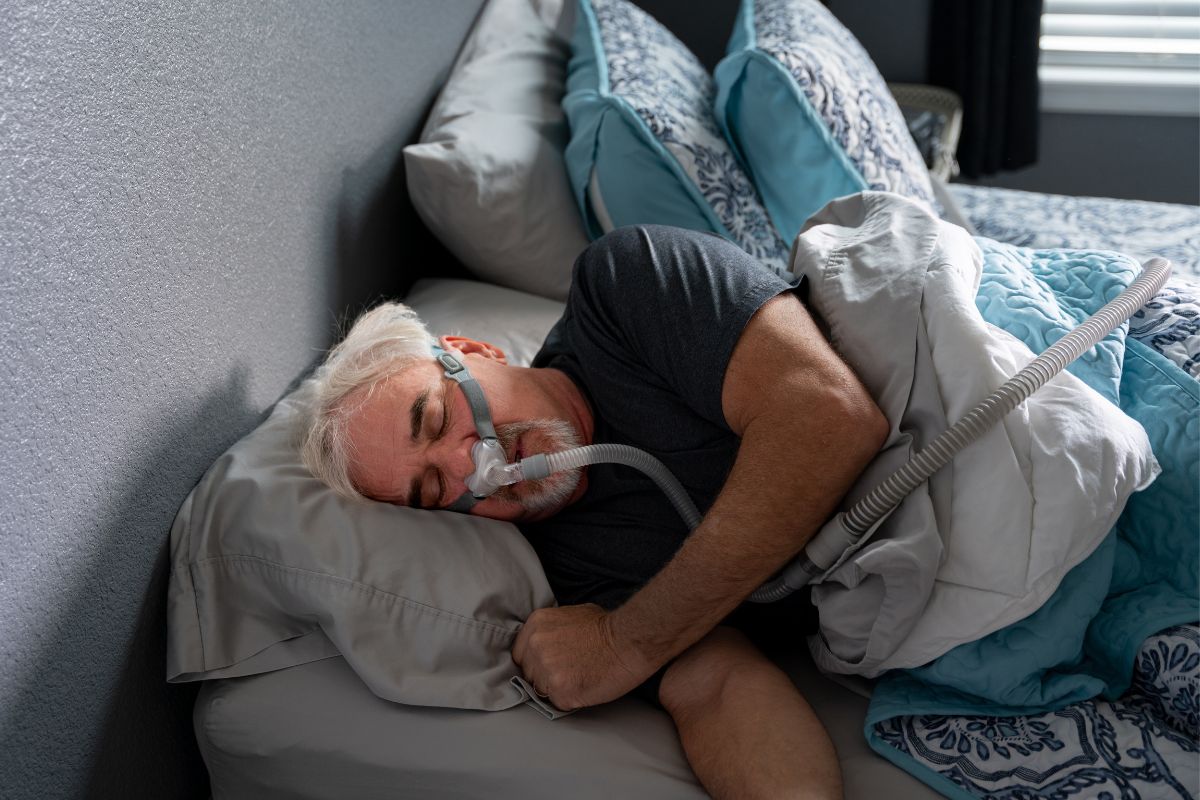
Sleep apnea is a common condition that affects millions of people, including seniors. As we age, the risk of developing sleep apnea increases, leading to disturbed sleep, fatigue, and other health complications. Fortunately, sleep apnea appliances can provide an effective and comfortable solution for better sleep. In this blog post, we’ll explore how these devices work and why they are an excellent option for seniors looking to improve their sleep quality.
What is Sleep Apnea?
Sleep apnea occurs when a person’s breathing repeatedly stops and starts during sleep. The most common type of sleep apnea is obstructive sleep apnea (OSA), which occurs when the muscles in the throat relax and block the airway. This blockage can cause loud snoring, gasping, and even brief awakenings throughout the night. In seniors, untreated sleep apnea can lead to chronic fatigue, high blood pressure, heart disease, and even strokes.
Why Seniors Are More Likely to Develop Sleep Apnea?
As people age, muscles in the throat and airway naturally weaken, making it more likely for the airway to become obstructed during sleep. In addition, conditions such as obesity, diabetes, and high blood pressure, which are common in seniors, can contribute to the development of sleep apnea. Since sleep apnea often goes undiagnosed, seniors may not even realize they have it, which is why seeking professional treatment is essential.
How Sleep Apnea Appliances Work?
One of the most popular treatments for mild to moderate sleep apnea is using sleep apnea appliances, also known as oral appliances or mandibular advancement devices (MADs). These custom-made devices fit into the mouth and help reposition the lower jaw and tongue, keeping the airway open during sleep.
Unlike bulky CPAP machines that require a mask and hoses, sleep apnea appliances are small, portable, and easy to use. Many seniors prefer these devices due to their simplicity and comfort. They are worn during sleep and can be adjusted to fit comfortably in the mouth, providing a hassle-free solution for those with mild sleep apnea or not comfortable with traditional CPAP therapy.
Benefits of Sleep Apnea Appliances for Seniors
- Improved Sleep Quality: Sleep apnea appliances help prevent airway blockages, allowing seniors to breathe freely throughout the night. This results in deeper, more restful sleep and can lead to improved daytime energy and alertness.
- Comfort and Convenience: Many seniors find sleep apnea appliances more comfortable than other treatments, such as CPAP machines. The devices are discreet, easy to wear, and don’t involve uncomfortable straps or masks.
- Easy to Use and Maintain: Sleep apnea appliances are easy to use and maintain. They can be cleaned with a simple brushing and are easy to carry while traveling. This makes them a practical choice for seniors who are always on the go.
- Non-Invasive Treatment: Unlike surgery or CPAP therapy, sleep apnea appliances offer a non-invasive solution. They do not require significant lifestyle changes or medical procedures, making them an attractive option for seniors wary of more invasive treatments.
Is a Sleep Apnea Appliance Right for You?
If you’re a senior struggling with sleep apnea, the first step is to consult with a dentist in Beaverton. These professionals can assess your condition and determine whether a sleep apnea appliance is the best solution. They will create a custom device tailored to your mouth and needs, ensuring maximum comfort and effectiveness.
Sleep apnea appliances provide seniors a comfortable, convenient, and effective way to manage sleep apnea and improve their quality of life. By addressing the root cause of airway obstruction, these devices promote better sleep, increased energy, and improved overall health. If you or a loved one is dealing with sleep apnea, consider exploring sleep apnea appliances as a solution for a better night’s rest.
Recent Posts
April 29, 2026
Why You Should Tell Your Dentist if You Have Allergies
April 22, 2026
How Do I Care for Dental Implants After Surgery?
April 15, 2026
Battling Insecurity from Worn-Down Edges on My Teeth
April 6, 2026
What Your Tongue Says About Your Oral Health
March 30, 2026