503-590-7574

Blog
Can You Drink Alcohol After a Tooth Extraction?
November 27, 2025
Tooth Extractions
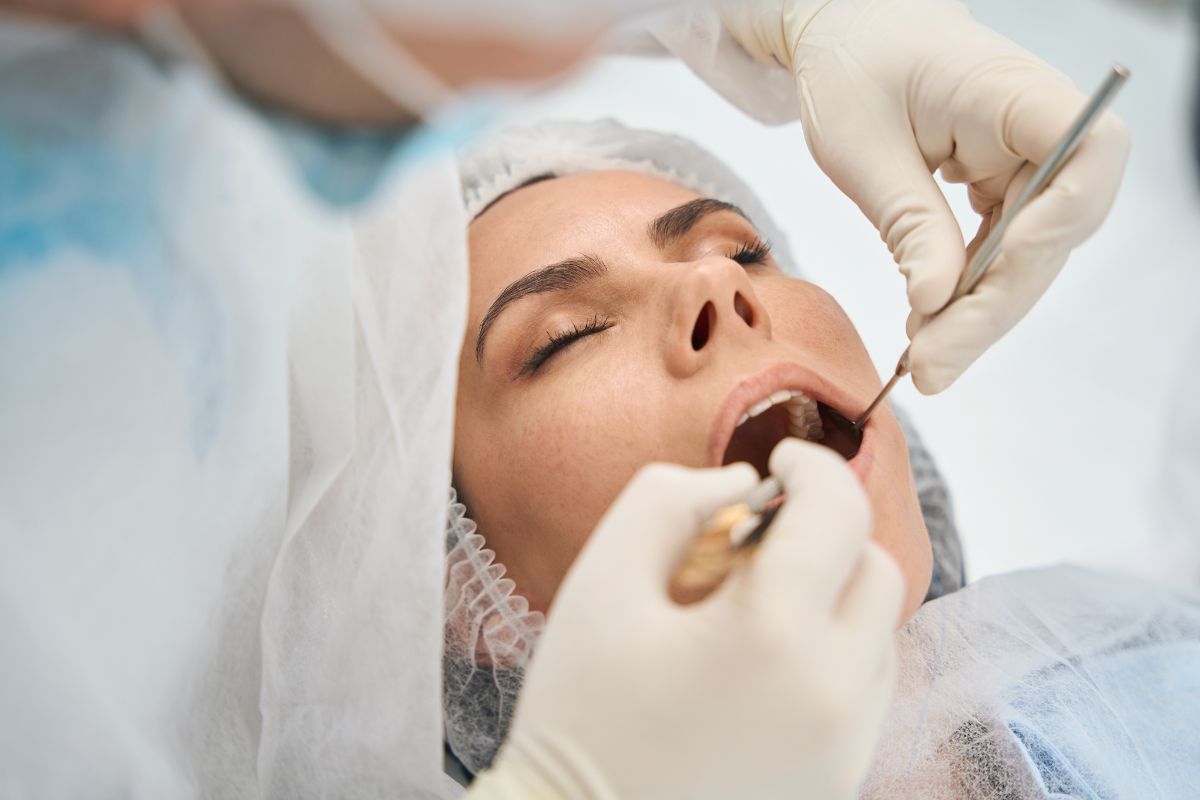
When you’re recovering from a tooth extraction, it’s natural to wonder when you can get back to your routine—including enjoying an occasional drink. So, can you drink alcohol after a tooth extraction?
No. You should not drink alcohol for at least 48–72 hours after your extraction because it can slow healing, increase bleeding, and raise the risk of complications like dry socket. Waiting a little longer helps protect the healing area and ensures a smoother recovery.
Below, you’ll find everything you need to know about alcohol after dental surgery, safe drink alternatives, and how to support fast healing.
What Happens After a Tooth Extraction?
A tooth extraction triggers a natural healing process in your mouth. Once the dentist removes the tooth, a blood clot forms at the extraction site. This clot is essential—it protects the bone, nerves, and tissue underneath while new tissue forms.
During the first few days, the area is extremely sensitive, and anything that disturbs or dissolves the clot can lead to severe discomfort. Because early healing is delicate, your dentist will recommend avoiding certain activities—especially drinking alcohol.
Why You Should Avoid Alcohol After a Tooth Extraction
1. Alcohol Slows Down Healing
Alcohol naturally dehydrates your body. When your mouth and tissues dry out, healing slows down. Dehydration also affects saliva production, which plays a key role in protecting the surgical site.
2. Increased Risk of Dry Socket
Dry socket happens when the blood clot becomes dislodged or dissolves. Alcohol can irritate the extraction site, making it more likely for the clot to break down.
A dry socket causes:
- Intense, throbbing pain
- Bad odor
- Bad taste
- Exposed bone
This condition requires immediate dental care and delays overall healing.
3. Unsafe Interactions With Medication
After an extraction, many patients take pain relievers or antibiotics. Mixing alcohol with these medications can cause:
- Nausea
- Dizziness
- Liver stress
- Reduced medication effectiveness
4. Increased Bleeding
Alcohol can thin the blood and widen blood vessels, which may cause renewed bleeding at the extraction site. Even small amounts can disrupt clot stabilization during the first 48–72 hours.
How Long Should You Avoid Alcohol?
As a general guideline:
- Avoid alcohol for at least 48–72 hours after your tooth extraction.
- For wisdom teeth or more complex surgeries, waiting a whole week may be recommended.
- If you’re still experiencing bleeding or discomfort or taking medication, it’s best to wait longer.
Everyone heals differently, so when in doubt, follow your dentist’s personalized recommendation.
You are not ready to drink alcohol if you notice:
- Pain that is getting worse
- Bleeding that hasn’t stopped
- Swelling increasing
- A bad taste or odor coming from the site
If these signs appear, continue avoiding alcohol until your dentist gives you the green light.
What Can You Drink Instead?
While you’re healing, choose drinks that are gentle and hydrate your body:
- Water (best option)
- Electrolyte drinks
- Milk
- Herbal tea (lukewarm, not hot)
- Smoothies (avoid straws to protect the clot)
Avoid carbonated drinks, extremely hot beverages, drinking through straws, or anything fizzy in the first couple of days.
Tips for a Smooth Recovery After Tooth Extraction
Following the right aftercare steps can shorten your healing time and reduce the risk of complications. Proper care is especially important if you plan to restore your smile with future restorative dentistry treatments like dental implants or bridges.
- Keep pressure on the gauze pack for the first hour after surgery.
- Avoid using straws for at least three days.
- Stay away from smoking and vaping.
- Eat soft foods like yogurt, mashed potatoes, and eggs.
- Brush your teeth gently, avoiding the extraction site.
- Begin warm saltwater rinsing after the first 24 hours.
The better you protect the blood clot, the smoother your recovery will be.
When Is It Safe to Drink Alcohol Again?
Most people can safely reintroduce alcohol after 72 hours, but only if:
- Bleeding has stopped
- Pain has decreased significantly
- You’re not taking prescription pain medication or antibiotics
- The extraction site feels comfortable
When you do have your first drink again, sip slowly and avoid very strong alcohol. Spicy cocktails, acidic wine, or citrus drinks may irritate the healing site.
When to Call Your Dentist
Healing after a tooth extraction should steadily feel easier each day—but if something doesn’t feel right, trust your instincts. If you notice anything unusual or have concerns about your recovery, reach out to our dentist in Beaverton at Murray Scholls Family Dental right away.
Reach out right away if you notice:
- Pain that suddenly gets worse instead of improving
- Swelling that grows after the third day
- Bleeding that won’t slow down
- Fever, chills, or feeling unwell
- A bad taste or odor, which may signal a dry socket
- Throbbing pain that radiates to the ear, jaw, or temple
Your comfort and safety matter. If something feels unusual—no matter how small—your dental team is here to help you find answers and get relief quickly.
FAQs:
Can I drink beer after a tooth extraction?No. Beer is carbonated and can disturb the clot. Avoid beer for at least 72 hours.
Is wine okay after dental surgery?Wine is acidic and can interfere with clot formation. Wait until early healing is complete.
Can alcohol dissolve the blood clot?Yes. Alcohol can irritate the site and prematurely break down the clot.
Is drinking alcohol safe after wisdom teeth removal?Usually after 5–7 days, but only if your dentist approves.
What should I do if I accidentally drank alcohol too soon?Drink water, monitor symptoms, and call your dentist if you feel pain, bleeding, or notice a sour taste.
Ready for a Healthier Smile?
If you have questions about healing after an extraction or need personalized guidance, the friendly team at Murray Scholls Family Dental in Beaverton, OR, is here to support you every step of the way. Located at 14845 SW Murray Scholls Dr #113, we offer expert care and a comfortable dental experience tailored to your needs. We invite you to schedule a dental visit today and let our team help you heal quickly, comfortably, and safely.
Recent Posts
May 8, 2026
How Smoking Affects Oral Health: What You Needs to Know

April 29, 2026
Why You Should Tell Your Dentist if You Have Allergies
April 22, 2026
How Do I Care for Dental Implants After Surgery?
April 15, 2026
Battling Insecurity from Worn-Down Edges on My Teeth
April 6, 2026