503-590-7574

Blog
Can You Eat Spicy Food After a Tooth Extraction?
October 23, 2025
Tooth Extractions
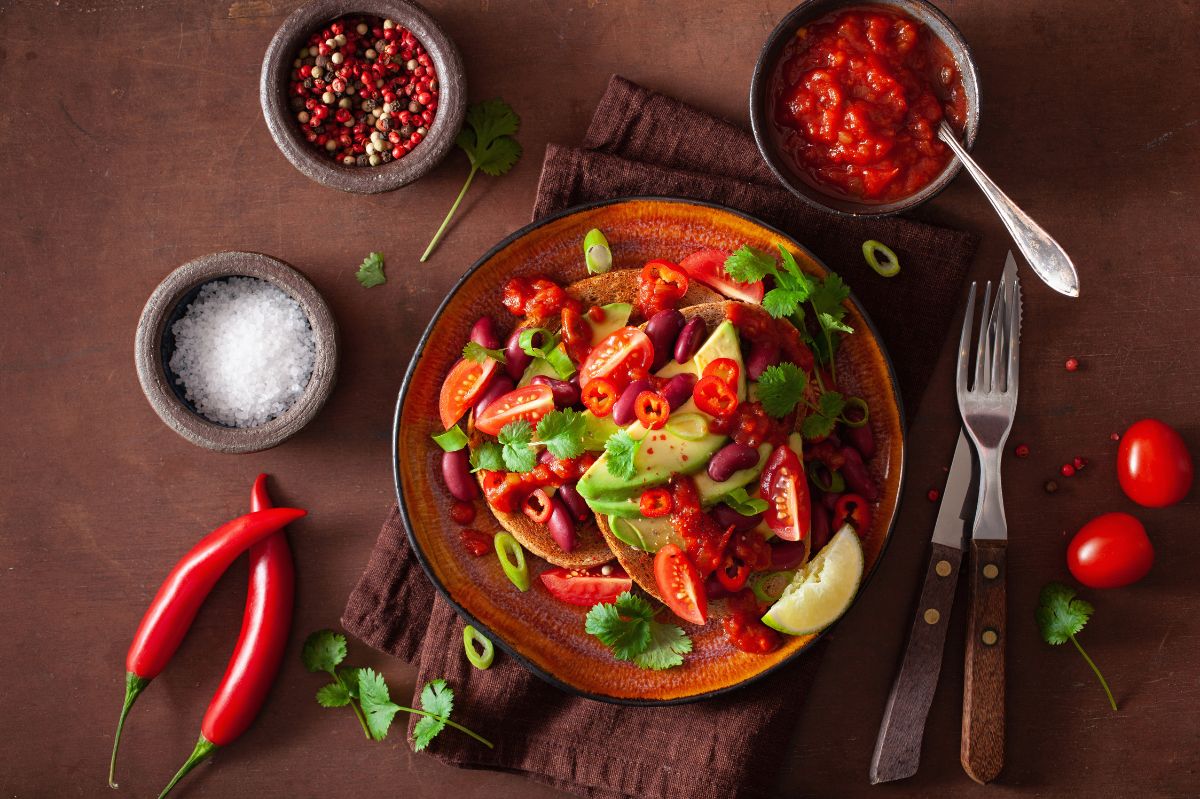
Tooth extraction can be uncomfortable, and the recovery period requires careful attention to what you eat. One common question patients ask is, “Can you eat spicy food after a tooth extraction?” While spicy meals might seem harmless, they can interfere with healing and cause unnecessary pain. This guide will explain why you should avoid spicy foods, when to reintroduce them, and what to eat while recovering.
Why You Should Avoid Spicy Food After Tooth Extraction
After a tooth extraction, your mouth forms a blood clot at the extraction site. This clot is crucial for proper healing. Spicy foods can irritate the soft tissues in your mouth, slow healing, and even increase the risk of complications such as dry socket, where the clot dislodges prematurely.
Spicy foods contain compounds like capsaicin, which can create a burning sensation and inflame your gums. This can worsen post-extraction discomfort and make it harder to maintain oral hygiene. Dentists recommend avoiding these foods until your mouth has healed significantly.
When Can You Eat Spicy Food After a Tooth Extraction?
Most patients can gradually reintroduce spicy foods 7 to 10 days after the extraction. However, this timeline depends on the complexity of the extraction and your individual healing process. Simple extractions might allow a return to mildly spicy foods sooner, while surgical or multiple tooth extractions often require a longer wait.
During recovery, focus on soft foods and liquids that don’t irritate your extraction site. Gradually test small amounts of mild spices before fully reintroducing your favorite dishes. If you notice discomfort, wait a few more days before trying again.
Restorative dental treatment, such as bone grafts or advanced extractions, can extend healing time. Patients who undergo these procedures should follow their dentist’s guidelines carefully to avoid complications.
Signs You’re Not Ready for Spicy Food Yet
Even after a week, you might not be ready for spicy foods. Watch for these signs:
- Persistent bleeding from the extraction site
- Swelling or redness around the gums
- Sharp pain or throbbing near the extraction area
- Bad taste or unusual odor in your mouth
If you experience these symptoms, delay spicy foods and consult your dentist. These signs indicate your mouth is still healing and sensitive to irritation.
Safer Food Alternatives During Recovery
While avoiding spicy food, you can enjoy nutritious meals that support healing. Soft, bland foods reduce discomfort and promote recovery. Some safe options include:
- Mashed potatoes or sweet potatoes
- Yogurt and smoothies
- Scrambled eggs or soft tofu
- Oatmeal or cream of wheat
- Applesauce and mashed bananas
Drinking plenty of water helps keep your mouth clean and prevents bacterial buildup. During the first few days after extraction, avoid hot, crunchy, or acidic foods.
What to Do If You Ate Spicy Food Too Soon
Accidentally eating spicy food after a tooth extraction can irritate the gums and cause pain. Rinse your mouth gently with warm salt water to reduce inflammation. Applying an ice pack externally to your jaw can help with swelling.
If discomfort persists or you notice unusual symptoms like severe pain, bleeding, or swelling, contact your dentist immediately. Prompt care can prevent complications and ensure a smooth recovery.
How Long Does It Really Take to Heal?
Healing varies by individual and the type of extraction. Most patients experience initial recovery in 3 to 7 days, with complete healing taking up to 2 weeks. Surgical extractions or multiple tooth removals may require longer. Following your dentist’s diet and oral hygiene instructions is critical for a smooth recovery.
Why Do Dentists Advise Against Spicy Food?
Dentists advise avoiding spicy foods after tooth extraction to protect the blood clot, prevent irritation, and reduce the risk of infection. Eating spicy foods too soon can disrupt healing, cause pain, and slow down recovery. Following dietary guidelines helps you heal properly and safely return to your regular diet.
Don’t Wait—Start Healing the Right Way
Don’t let a tooth extraction slow you down. At Murray Scholls Family Dental in Beaverton, OR, our experienced team guides you through every step of your recovery, from post-extraction care to restoring your smile with precision and comfort. Whether you have questions about diet or healing timelines, we provide clear, personalized advice tailored to your needs.
Schedule your appointment today and get the support you need to heal safely, prevent complications, and enjoy a healthy, pain-free smile. Your recovery matters; our team is here to make it smooth and stress-free.
FAQs:
Can I eat mildly spicy food a few days after extraction?
It’s best to wait at least a week before trying even mild spices. Test small amounts only if your gums feel comfortable.
Will spicy food cause dry socket?
Yes, spicy foods can irritate the extraction site and increase the risk of dislodging the blood clot, leading to dry socket.
What foods are safe immediately after extraction?
Soft, bland foods like mashed potatoes, yogurt, scrambled eggs, and smoothies are ideal. Avoid hot, crunchy, or acidic foods.
How can I reduce pain if I accidentally eat spicy food?
Rinse gently with warm salt water and use an ice pack externally. Contact your dentist if symptoms persist.
Recent Posts

August 18, 2026
Can Veneers Fix Gapped or Uneven Teeth?

August 13, 2026
Can Veneers Stain? What to Know About Coffee, Tea, and Wine

August 6, 2026
Best Dentist for Kids Near Beaverton, OR: What to Look For

July 29, 2026
7 Signs You Need a Dental Implant (And What to Do Next)

July 21, 2026