503-590-7574

Blog
Can You Get Dental Implants with Gum Disease? What You Need to Know
October 8, 2024
Dental Implants
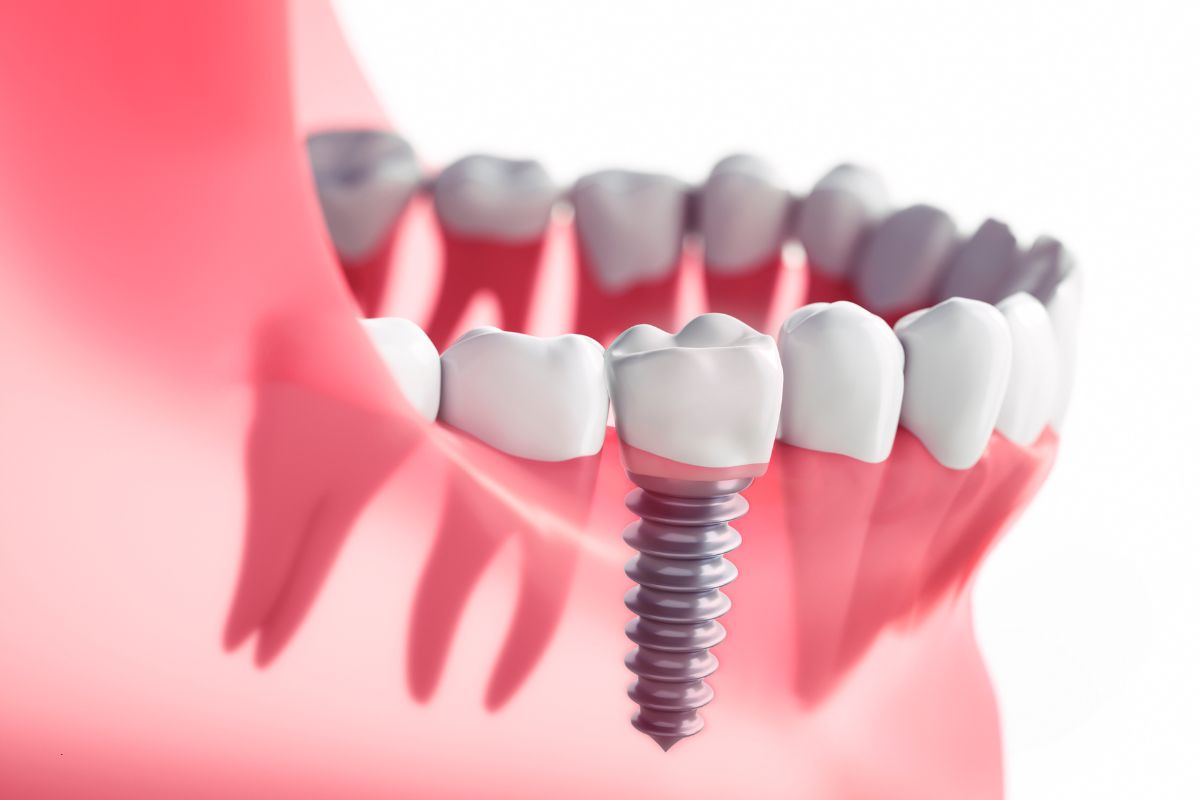
Dental implants have become a popular solution for tooth loss, offering a permanent and natural-looking replacement. However, many people wonder if they can receive dental implants if they have gum disease. Understanding the relationship between gum disease and dental implants is crucial for anyone considering this procedure.
Understanding Gum Disease:
Gum disease, or periodontal disease, occurs when bacteria accumulate on the teeth and gums, leading to inflammation and infection. The two main stages are gingivitis, the early stage characterized by swollen and bleeding gums, and periodontitis, which can cause the loss of bone and tissue supporting the teeth. If left untreated, periodontitis can lead to significant dental issues, including tooth loss.
The Connection Between Gum Disease and Dental Implants:
While dental implants offer many benefits, having gum disease can complicate the process. If you currently have gum disease, your dentist will likely recommend treating it before considering dental implants. This is essential because healthy gums and adequate bone structure are crucial for the success of dental implants.
Treatment Options for Gum Disease:
Before you can receive dental implants, your dentist will assess the severity of your gum disease. Depending on the situation, they may recommend one or more of the following treatments:
- Scaling and Root Planing: This deep cleaning procedure removes plaque and tartar from below the gum line, helping to reduce inflammation and infection.
- Antibiotics: Your dentist may prescribe antibiotics to help eliminate bacteria in your gums.
- Surgical Treatments: In more advanced cases, flap techniques or bone grafting may be required to restore gum health and support bone structure.
Once your gum disease is under control, your dentist will evaluate your mouth to determine if you’re a suitable candidate for dental implants.
Factors Influencing the Success of Dental Implants:
Several factors influence the success of dental implants in individuals with a history of gum disease:
- Bone Density: Healthy bone is necessary to anchor the implant securely. If gum disease has led to bone loss, your dentist may suggest a bone graft to build up the bone before placing the implant.
- Oral Hygiene: Maintaining excellent oral hygiene is essential for the long-term success of dental implants. If you have gum disease, committing to regular dental check-ups and proper home care will be crucial.
- Smoking and Lifestyle: Smoking can impede healing and increase the risk of implant failure. If you smoke, consider quitting before undergoing the implant procedure to enhance your chances of success.
The Dental Implant Process:
If your dentist determines that you’re a good candidate for dental implants, here’s what you can expect during the process:
- Initial Consultation: Your dentist will perform a thorough examination, including X-rays, to evaluate your oral health and plan the treatment.
- Implant Placement: The titanium implant will be surgically placed into your jawbone by the dentist. Afterward, you will need time for healing, typically ranging from a few weeks to several months.
- Abutment and Crown: Once the implant integrates with the bone, the dentist will place an abutment, which serves as a connector between the implant and the crown. After this, a custom crown will be attached to the abutment.
While having gum disease may initially disqualify you from getting dental implants, it does not mean that you cannot receive them. Treating gum disease effectively can restore your oral health and make you a suitable candidate for implants. Always consult with your dentist near you to discuss your specific situation and develop a treatment plan tailored to your needs.
If you’re considering dental implants and have concerns about gum disease, contact your dentist today. They can provide you with the guidance and support necessary to help you achieve a healthy smile once again.
Recent Posts

August 18, 2026
Can Veneers Fix Gapped or Uneven Teeth?

August 13, 2026
Can Veneers Stain? What to Know About Coffee, Tea, and Wine

August 6, 2026
Best Dentist for Kids Near Beaverton, OR: What to Look For

July 29, 2026
7 Signs You Need a Dental Implant (And What to Do Next)

July 21, 2026