503-590-7574

Blog
A Comprehensive Guide to Dental Implants: Types, Procedures, and Recovery
February 28, 2024
Restorative Dentistry
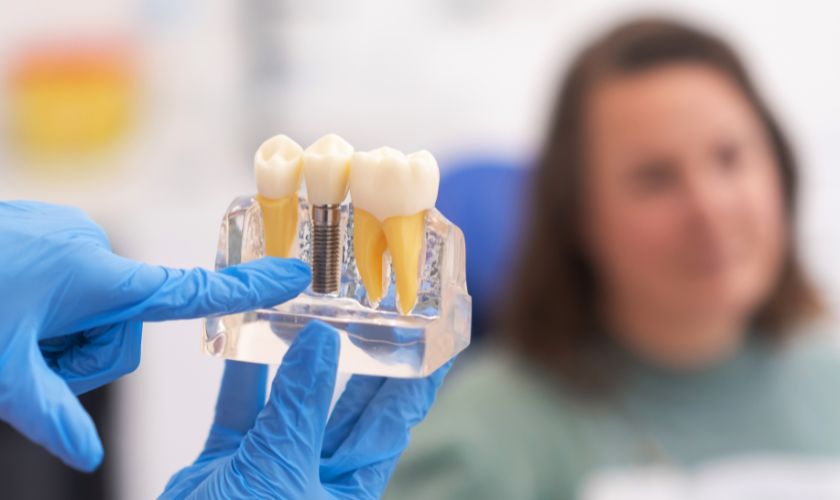
In the field of contemporary dentistry, dental implants provide ground-breaking options for people looking to get their smiles back and their teeth back. Whether you’re missing a single tooth or several, dental implants offer a robust and long-term alternative to traditional dentures or bridges. In this comprehensive guide, we’ll delve into the types, procedures, and recovery process associated with dental implants.
Understanding Dental Implants:
Dental implants are artificial tooth roots surgically implanted into the jawbone beneath the gum line. These implants serve as a sturdy foundation for replacement teeth that look, feel, and function just like natural teeth. The materials used in dental implants are typically biocompatible, such as titanium, ensuring compatibility with the human body and promoting osseointegration, the process where the implant fuses with the jawbone.
Types of Dental Implants:
- Endosteal Implants: These are the most common types of dental implants, consisting of screws, cylinders, or blades surgically implanted into the jawbone. Once the surrounding gum tissue has healed, a second surgery is required to connect a post to the original implant, onto which the artificial tooth is mounted.
- Subperiosteal Implants: Located above the jawbone and behind the gum tissue, subperiosteal implants differ from endosteal implants in this regard. A metal frame is fitted onto the jawbone, and as the gums heal, the frame becomes fixed. Posts attached to the frame protrude through the gums, allowing the artificial teeth to be mounted.
The Dental Implant Procedure:
- Initial Consultation: The journey begins with a comprehensive examination and consultation with a qualified dentist or oral surgeon. During this consultation, the dentist in Beaverton will evaluate your dental health, review your medical history, and discuss treatment options.
- Implant Placement: The dental implant is surgically inserted into the mandible as the following stage. To reduce discomfort, local anesthetic is usually used during this surgery. The implant will be carefully inserted by the dentist after making a cut in the gum tissue and drilling a hole in the jawbone.
- Healing Period: Following implant placement, a healing period of several months is necessary to allow the implant to integrate with the jawbone—a process known as osseointegration. During this time, temporary prosthetic teeth may be worn to maintain aesthetics and functionality.
- Abutment Placement: An abutment, which is a tiny connector, is affixed to the implant when osseointegration is finished. This component protrudes through the gum line and serves as the foundation for the artificial tooth or crown.
- Crown Placement: Finally, custom-made artificial teeth or crowns are securely attached to the abutments, completing the restoration process. The dentist will ensure proper alignment, fit, and bite before finalizing the treatment.
Recovery and Aftercare:
The recovery period following dental implant surgery is crucial for successful outcomes. Patients may experience some discomfort, swelling, or bruising, which can typically be managed with over-the-counter pain medications and cold compresses. It’s essential to follow post-operative care instructions provided by your dentist diligently. This may include:
- Oral hygiene: Maintain excellent oral hygiene by brushing and flossing regularly, while also using an antimicrobial mouthwash as directed.
- Dietary considerations: Stick to soft foods and avoid hard or crunchy foods that may exert pressure on the implant site during the initial healing phase.
- Follow-up appointments: Attend all scheduled follow-up appointments with your dentist to monitor healing progress and ensure the success of the implant.
In conclusion, dental implants offer a reliable and durable solution for individuals seeking to restore their smiles and oral function. By understanding the types, procedures, and recovery process associated with dental implants, you can make informed decisions about your dental health and embark on a journey towards a confident and radiant smile. If you’re considering dental implants, consult with a qualified dental professional to determine the best course of action for your specific needs.
Recent Posts

May 8, 2026
How Smoking Affects Oral Health: What You Needs to Know

April 29, 2026
Why You Should Tell Your Dentist if You Have Allergies
April 22, 2026
How Do I Care for Dental Implants After Surgery?
April 15, 2026
Battling Insecurity from Worn-Down Edges on My Teeth

April 6, 2026