503-590-7574
Blog
Gum Recession: Causes, Treatments, and Maintaining a Healthy Smile
April 25, 2024
Periodontal disease
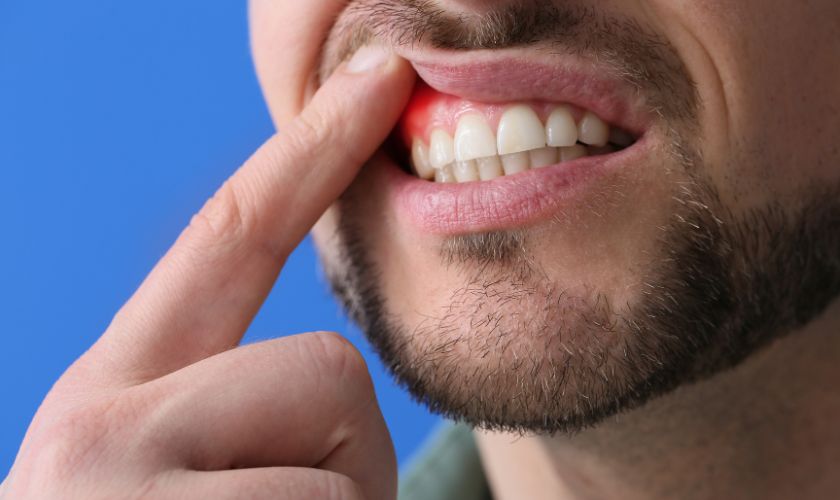
Our gums play a vital role in protecting our teeth and keeping our smiles healthy. However, sometimes, the gum tissue can recede, exposing more of the tooth root. This condition, known as gum recession, can be a cause for concern, both aesthetically and for your overall oral health.
Understanding Gum Recession:
Gum recession occurs when the gum tissue that surrounds the base of your teeth starts to wear away. This can expose the dentin, the layer beneath the enamel, which is more sensitive and prone to decay. In severe cases, the roots of the teeth can become exposed, leading to tooth loosening and potential loss.
Causes of Gum Recession:
Several factors can contribute to gum recession:
- Gum Disease: The most common cause of gum recession is gum disease, also known as periodontitis. This bacterial infection inflames and damages the gums and bone supporting the teeth.
- Aggressive Brushing: Brushing too hard with a stiff-bristled toothbrush can irritate and wear away gum tissue over time.
- Improper Flossing Technique: Incorrect flossing techniques can also damage gum tissue.
- Tobacco Use: Smoking and chewing tobacco can significantly increase the risk of gum disease and recession.
- Hormonal Changes: Fluctuations in hormone levels during pregnancy or menopause can make gums more susceptible to inflammation and recession.
- Genetics: Some people are genetically predisposed to having thinner or weaker gum tissue.
Symptoms of Gum Recession:
Here are some signs that you might have gum recession:
- Exposed tooth roots: This is the most noticeable symptom. You may see your teeth appearing longer than usual.
- Increased tooth sensitivity: Exposed dentin is more sensitive to hot, cold, and sweet foods and drinks.
- Redness or inflammation of the gums: This could be a sign of gum disease.
- Bleeding gums: This is another sign of gum disease.
- Loose teeth: In severe cases of gum recession, teeth can become loose or even fall out.
Treatment Options for Gum Recession:
If you suspect you have gum recession, it’s crucial to seek professional help from a dentist or periodontist. Early diagnosis and treatment can help prevent further damage and protect your smile. Depending on the severity of the recession, various treatment options are available:
- Scaling and Root Planing: This deep cleaning removes plaque and tartar buildup from below the gum line, helping to control gum disease and promote healing.
- Antibiotics: In some cases, antibiotics might be prescribed to fight gum infection.
- Soft Tissue Grafts: For more severe recession, surgical procedures using gum tissue from another area of the mouth can be used to cover the exposed root surfaces.
- Dental Implants: In situations where tooth loss has occurred due to severe gum recession, dental implants can be used to replace missing teeth and restore functionality.
Maintaining a Healthy Smile:
The good news is that gum recession can often be prevented or halted with proper oral hygiene practices and regular dental checkups. Here are some tips for maintaining healthy gums:
- Brush twice a day with a soft-bristled toothbrush: Use a gentle brushing technique and focus on cleaning the gum line.
- Floss daily: Flossing removes plaque and food particles from between your teeth, where brushing can’t reach.
- Don’t smoke or chew tobacco: Tobacco use is a major risk factor for gum disease and recession.
- Maintain a healthy diet: Eating a balanced diet rich in fruits, vegetables, and whole grains helps support overall oral health.
- Schedule regular dental checkups and cleanings: Regular professional cleanings can help remove plaque and tartar buildup before it leads to gum disease.
- Consider periodontal treatment in Beaverton: If you’re experiencing gum recession, a dentist in Beaverton can assess your condition and recommend the most appropriate treatment option to restore your gum health and protect your smile.
By following these tips and seeking professional attention when necessary, you can keep your gums healthy and prevent gum recession, safeguarding your smile for years to come.
Recent Posts

August 18, 2026
Can Veneers Fix Gapped or Uneven Teeth?

August 13, 2026
Can Veneers Stain? What to Know About Coffee, Tea, and Wine

August 6, 2026
Best Dentist for Kids Near Beaverton, OR: What to Look For

July 29, 2026
7 Signs You Need a Dental Implant (And What to Do Next)

July 21, 2026