503-590-7574

Blog
Root Canal Therapy for Sensitive Teeth: Is it the Right Solution?
November 26, 2024
Root Canal
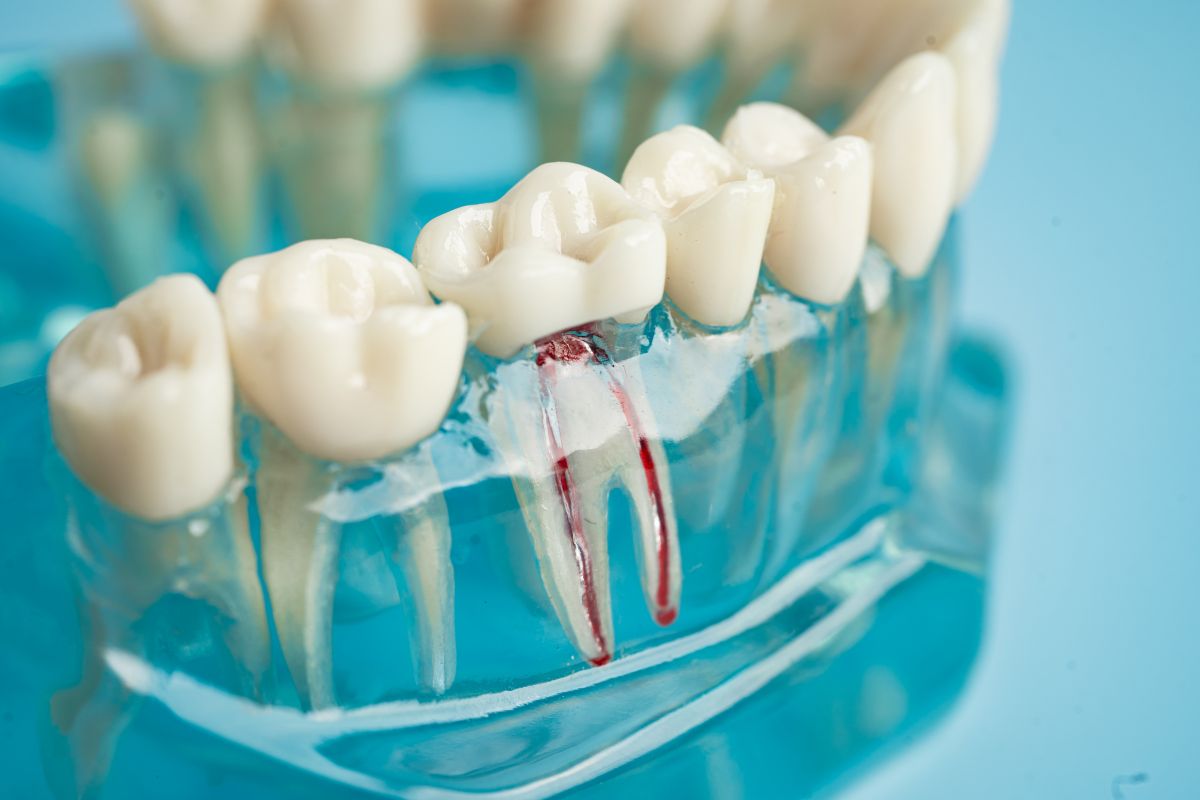
Sensitive teeth can be a daily struggle, affecting everything from enjoying a hot cup of coffee to eating your favorite cold treat. While sensitivity often arises from gum recession or enamel wear, it can also indicate deeper dental issues, including the need for root canal therapy. If you’re experiencing prolonged tooth pain or sensitivity, you may wonder if a root canal is the right treatment option. In this blog post, we’ll explore how root canal therapy can help treat sensitive teeth when necessary.
What Causes Sensitive Teeth?
To understand how root canal therapy helps, you must first understand what causes tooth sensitivity. Sensitivity occurs when the underlying layers of the tooth become exposed to external stimuli like hot, cold, or pressure. Some common causes of tooth sensitivity include:
- Enamel Erosion: The outer layer of your teeth, called enamel, can wear down over time due to poor oral hygiene, acidic foods, or aggressive brushing.
- Gum Recession: When your gums recede, the roots of your teeth may become exposed, making them more sensitive to temperature changes.
- Cavities or Tooth Decay: Tooth decay can break down the enamel and cause a cavity, which exposes the soft tissue inside the tooth called the pulp, leading to discomfort or pain.
- Cracked Teeth: A crack in the tooth can expose nerves, resulting in sharp pain or sensitivity.
If your tooth sensitivity persists or worsens, it may be a sign that you need more than a simple cleaning or desensitizing toothpaste. A thorough evaluation by a dentist will help determine whether root canal therapy is the solution.
What is Root Canal Therapy?
Root canal therapy is a dental procedure designed to treat infection or damage within a tooth’s pulp. The soft tissue inside the tooth, known as the pulp, contains nerves, blood vessels, and connective tissue. If this tissue becomes infected or inflamed due to deep decay or injury, it can lead to severe pain, swelling, or abscess formation.
During the procedure, your dentist or endodontist will remove the infected pulp, clean and disinfect the tooth, and seal it to prevent future infection. The tooth is then restored with a crown or filling to ensure its functionality and protect it from further damage.
How Can Root Canal Therapy Help Sensitive Teeth?
A root canal can provide the right solution if an infected or inflamed pulp causes your sensitive teeth. Here’s how it helps:
- Relieves Pain: One of the most common reasons people undergo root canal therapy is to alleviate the pain caused by infection or inflammation in the pulp. This procedure effectively addresses the underlying issue, providing long-term relief from tooth sensitivity.
- Prevents Further Damage: By removing the infected pulp and sealing the tooth, a root canal can prevent the spread of infection to surrounding teeth or tissues. This can help preserve your natural tooth and avoid needing more extensive procedures, such as tooth extraction.
- Restores Tooth Function: After a root canal, the dentist seals the tooth and often fits it with a crown to restore its strength. This allows you to chew, bite, and speak normally without experiencing discomfort from sensitivity.
When is Root Canal Therapy Necessary for Sensitive Teeth?
Dentists typically recommend root canal therapy when sensitivity results from a more severe issue, such as:
- Deep Tooth Decay: If a cavity has reached the pulp of the tooth, causing infection or inflammation, a root canal is often the only way to save the tooth.
- Cracked or Fractured Tooth: A crack that reaches the pulp can expose nerves, leading to severe pain. If the crack is deep enough, a root canal may be necessary to repair the tooth.
- Persistent Sensitivity or Pain: If your tooth sensitivity persists for over a few days or worsens over time, it may indicate an infection requiring root canal therapy.
However, if your sensitivity is due to gum recession, enamel erosion, or other issues, your dentist may recommend alternative treatments, such as fluoride treatments, desensitizing toothpaste, or dental sealants.
Root canal therapy can effectively treat sensitive teeth caused by infection or deep decay. If you’re experiencing persistent tooth pain, sensitivity to hot or cold, or other signs of illness, consult your dentist in Beaverton to determine if a root canal is necessary. Early intervention can save your tooth, relieve your pain, and restore your smile to its natural function.
Remember, regular dental checkups are crucial to identifying problems early and preventing the need for more invasive treatments. By addressing tooth sensitivity early on, you can keep your teeth healthy and avoid unnecessary pain.
Recent Posts

August 18, 2026
Can Veneers Fix Gapped or Uneven Teeth?

August 13, 2026
Can Veneers Stain? What to Know About Coffee, Tea, and Wine

August 6, 2026
Best Dentist for Kids Near Beaverton, OR: What to Look For

July 29, 2026
7 Signs You Need a Dental Implant (And What to Do Next)

July 21, 2026