503-590-7574

Blog
Toothbrush Care Tips From Murray Scholls Family Dental
April 28, 2017
Blog
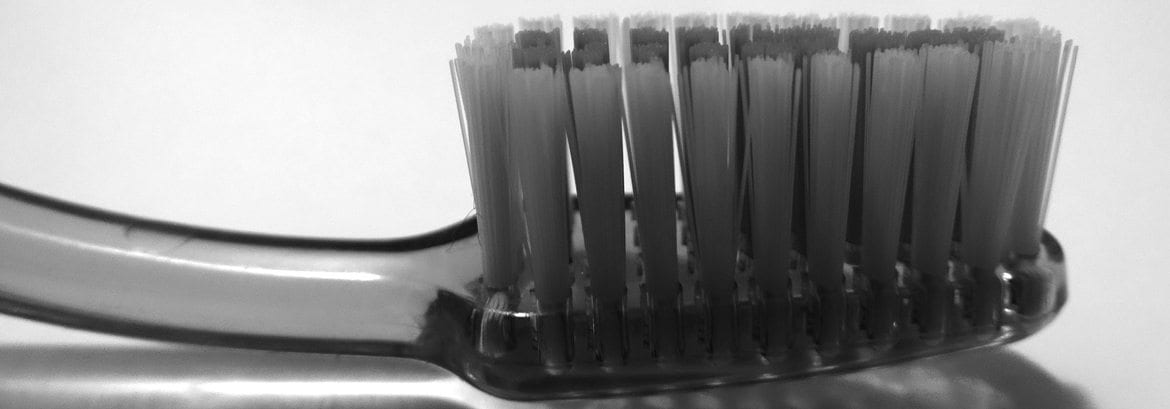
Most people brush their teeth twice a day without giving their toothbrush a second thought — and that’s a problem. Your toothbrush is doing some of the heaviest lifting in your daily oral hygiene routine, but if it’s stored incorrectly, used past its prime, or contaminated without your knowledge, it can work against the very results you’re after. At Murray Scholls Family Dental, we see the downstream effects of poor toothbrush habits every day — and the good news is, they’re almost entirely preventable.
Quick Answer: How should you care for your toothbrush? Rinse your toothbrush thoroughly with tap water after every use, store it upright in open air to dry, avoid sharing brushes, and replace it every three to four months — or sooner if the bristles are frayed. These simple habits significantly reduce bacterial buildup and keep your brush working effectively.
Why Toothbrush Hygiene Matters More Than You Think
It might seem like a small detail, but your toothbrush can harbor bacteria, fungi, and even viruses if not cared for properly. Research from the American Dental Association (ADA) shows that toothbrushes can become contaminated with oral microbial organisms, including those responsible for tooth decay and gum disease, shortly after use. When you brush, you’re also transferring bacteria from your mouth onto the bristles — and if those bristles stay damp in an enclosed space, bacteria have everything they need to thrive.
Beyond bacterial concerns, a worn-out or damaged toothbrush simply doesn’t clean teeth as effectively. Frayed bristles lose their ability to reach into the grooves and crevices between teeth where plaque accumulates most. The result? You may feel like you’re brushing, but you’re not getting the clean you need.
Toothbrush hygiene is a foundational piece of preventive dental care, and it deserves the same attention you give to flossing, diet, and regular professional cleanings.
How to Properly Clean Your Toothbrush After Every Use
The process doesn’t need to be complicated. After you finish brushing, hold your toothbrush under fast-running tap water for several seconds. This dislodges toothpaste residue, saliva, and loose food particles from the bristles. Gently shake off the excess water, then store the brush with the head up — never lying on its side or face-down.
A few things to avoid:
- Dishwashers and microwaves: The high heat degrades bristles faster and can warp the handle, reducing the brush’s structural integrity.
- Soaking in mouthwash long-term: While a quick rinse in an antibacterial mouthwash occasionally isn’t harmful, extended soaking doesn’t meaningfully sterilize a brush and can damage bristles over time.
- Closed containers while still wet: Sealing a damp toothbrush inside a case or cover traps moisture and creates an environment where microbial growth accelerates. If you need to travel, use a vented case and let the brush air out as soon as you arrive.
The goal is simple: rinse, shake, air-dry, upright. That routine alone dramatically reduces the buildup of harmful microorganisms.
When to Replace Your Toothbrush — and Why Waiting Too Long Is Harmful
The ADA recommends replacing your toothbrush — or the head of an electric toothbrush — every three to four months. However, you may need to replace it sooner if:
- The bristles are visibly splayed, frayed, or matted
- You or someone in your household has recently been sick with a cold, flu, or oral infection
- A child has been using the brush (children tend to apply more pressure and wear brushes out faster)
- The brush has been dropped on the floor or contaminated in any way
A study published in the Journal of Clinical Dentistry found that a toothbrush used for three months removes significantly less plaque than a new brush. Keeping track of replacement dates is one of the simplest habits you can build for long-term oral health. Many patients find it helpful to set a quarterly reminder on their phone — or simply replace the brush around the same time they schedule their routine dental checkup.
Smart Storage Habits That Protect Your Brush
Where you keep your toothbrush matters just as much as how you clean it. Here’s what the evidence and dental experts recommend:
Store it upright and in the open. A toothbrush holder on the countertop, with the bristle end pointing up, allows air circulation to dry the brush quickly between uses.
Keep it away from the toilet. Every flush disperses fine aerosol particles into the surrounding air — a phenomenon known as “toilet plume.” If your toothbrush is stored near an uncovered toilet, those particles can land on the bristles. Storing your brush at least three to six feet away from the toilet, or closing the lid before flushing, makes a real difference.
Don’t store multiple brushes touching each other. If you keep the whole family’s brushes in the same holder, make sure the heads aren’t in contact. Cross-contamination between brushes is a genuine concern, especially if one household member is fighting an infection or illness.
Replace after illness. After recovering from strep throat, a cold sore, or any oral infection, it’s smart to start fresh with a new brush. Reintroducing the same pathogens after you’ve cleared an infection is an easily preventable setback.
Manual vs. Electric: Does It Change How You Care for Your Brush?
Both manual and electric toothbrushes require essentially the same post-brush care: rinse, shake dry, and store upright. However, there are a few additional considerations for electric toothbrushes:
- Remove the brush head from the handle and rinse both separately. Moisture that gets trapped in the connection point between the head and handle can harbor bacteria over time.
- Store the handle upright and allow both pieces to dry fully before reattaching.
- Replace brush heads on the same three-to-four-month schedule as manual toothbrushes.
If you’re unsure whether a manual or electric toothbrush is the better fit for your oral health needs, it’s a great question to bring up at your next cleaning. Our team near Beaverton’s Murray Scholls area is always happy to make personalized recommendations based on your gum health, brushing technique, and any concerns you have.
What Your Dentist Can Tell From Your Toothbrush
Believe it or not, a worn toothbrush tells a story. When patients bring in heavily frayed brushes that are only a few weeks old, it often points to brushing too aggressively — a habit that, over time, leads to enamel wear, gum recession, and increased tooth sensitivity. On the flip side, a brush that still looks pristine after four months might suggest a brushing technique that’s too gentle to effectively remove plaque.
During your routine visit with our dentist, we assess your brushing habits as part of a broader conversation about your at-home oral hygiene routine. Small coaching adjustments — the right amount of pressure, the correct angle, the ideal brush head size — can meaningfully improve your results between appointments.
FAQ
Q: How often should I replace my toothbrush?
The American Dental Association recommends replacing your toothbrush every three to four months. Replace it sooner if the bristles are visibly frayed, or if you’ve recently been sick. Worn bristles are far less effective at removing plaque from teeth and along the gumline.
Q: Is it safe to share a toothbrush with a family member?
No — toothbrushes should never be shared, even between family members or partners. Sharing transfers oral bacteria, viruses, and blood between people, potentially spreading infections and dental disease. Every household member should have their own clearly labeled toothbrush.
Q: What’s the best way to store a toothbrush to prevent bacterial growth?
Store your toothbrush upright in an open holder that allows airflow, far enough from the toilet to avoid aerosol contamination. Avoid keeping it in closed containers while wet, as trapped moisture encourages microbial growth. Let it air-dry completely between uses.
Q: Should I sanitize my toothbrush with UV or mouthwash?
UV sanitizers are available and can reduce surface bacteria, though the ADA notes there is limited clinical evidence they prevent dental disease. A brief rinse in antibacterial mouthwash is fine occasionally, but not necessary as a daily routine. The most effective practice remains thorough rinsing under running water after every use.
Q: Do I need to replace my toothbrush after being sick?
Yes, it’s strongly recommended. Viruses and bacteria can linger on toothbrush bristles and potentially reinfect you after you’ve recovered. After any illness — particularly strep throat, cold sores, or the flu — starting with a new toothbrush is a smart and simple precaution.
Q: Is an electric toothbrush better than a manual toothbrush?
Both can be effective when used with proper technique. Some studies suggest electric toothbrushes — particularly oscillating-rotating models — remove more plaque and reduce gingivitis slightly more effectively than manual brushes. However, the most important factor is consistent brushing twice daily with a fluoride toothpaste. Ask your dentist which option suits your specific oral health needs.
Recent Posts
August 18, 2026
Can Veneers Fix Gapped or Uneven Teeth?

August 13, 2026
Can Veneers Stain? What to Know About Coffee, Tea, and Wine
August 6, 2026
Best Dentist for Kids Near Beaverton, OR: What to Look For

July 29, 2026
7 Signs You Need a Dental Implant (And What to Do Next)
July 21, 2026