503-590-7574

Blog
What are the Key Benefits of Dental Bridges
April 12, 2023
Restorative Dentistry
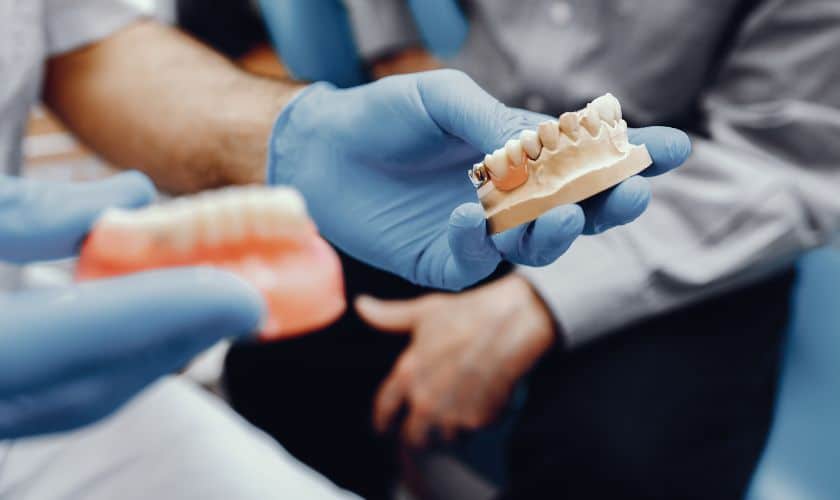
Are you tired of hiding your smile because of missing teeth? Dental bridges might just be the solution for you! A dental bridge is a prosthetic device that fills the gap between two teeth, allowing you to chew and speak properly while also restoring your confidence. In this blog post, we’ll explore the key benefits of dental bridges, how they work, any associated risks, and post-operative care requirements to help you make an informed decision about whether they’re right for you. So let’s dive in!
What Are Dental Bridges?
Dental bridges are a common dental solution for missing teeth that help to restore your smile and improve the overall function of your mouth. Essentially, a bridge is created by connecting two or more crowns – artificial teeth – together to fill in gaps where natural teeth have been lost.
Dental bridges can be made from different materials including porcelain, ceramics, gold alloys or a combination of these materials. The type of material used will depend on individual needs and preferences.
The process of getting a dental bridge typically involves several appointments with your dentist. During the first appointment, impressions will be taken of the area needing the bridge so that it can be custom-made to fit comfortably in your mouth.
Once your new bridge has arrived from the laboratory, it will need to be fitted into place and adjusted as needed to ensure proper alignment with surrounding teeth. With regular care and maintenance – such as proper oral hygiene habits – dental bridges can last many years.
Dental bridges offer numerous benefits including improving speech clarity, restoring chewing functionality while eating food normally again without pain or discomfort; enhancing facial aesthetics; preventing other healthy teeth from shifting out of position due to gaps left behind by missing ones!
What Are The Benefits Of Dental Bridges?
Dental bridges are a restorative dental treatment that can replace missing teeth, and there are numerous benefits associated with them. One of the most significant advantages of dental bridges is improved functionality. When you have missing teeth, it can be difficult to eat or speak clearly. With a bridge in place, you will regain your ability to chew properly and enunciate more accurately.
Dental bridges also offer cosmetic benefits by improving the appearance of your smile. Missing teeth can cause embarrassment or self-consciousness when speaking or smiling in public, but a bridge can restore confidence and improve overall aesthetics.
Another benefit is preventing further tooth loss by maintaining proper alignment within your mouth. When there’s an empty space from a missing tooth, other teeth may shift out of place which affects bite patterns and causes additional problems over time.
Furthermore, dental bridges provide structural support for surrounding teeth since they fill any gaps left behind by missing ones. This helps prevent uneven wear on remaining natural teeth as well as reduces pressure on the jawbone.
Dental bridges not only give patients back their smiles but also help maintain oral health whilst providing functional and aesthetic improvements.
How Do Dental Bridges Work?
Dental bridges are a popular solution for people who have missing teeth. They work by using the surrounding teeth as anchors, known as abutment teeth, and attaching an artificial tooth, known as a pontic, in between them.
The process of getting a dental bridge typically involves multiple appointments with your dentist. During the first appointment, the abutment teeth will be prepared by removing some of the enamel to make room for the crowns that will hold the bridge in place. Impressions of your mouth will also be taken so that a custom-made bridge can be created.
Once the dental lab has created your bridge, you’ll return to your dentist’s office for another appointment. At this time, they will check to ensure that it fits properly and make any necessary adjustments before cementing it into place.
After receiving a dental bridge, it’s important to take care of it just like you would with natural teeth. Regular brushing and flossing are essential to maintain good oral hygiene and prevent bacteria buildup.
Dental bridges provide an effective way to restore both functionality and aesthetics after losing one or more teeth. With proper care and maintenance, they can last many years without needing replacement or repairs.
Are There Any Risks Associated With Dental Bridges?
Like any dental procedure, there may be some risks associated with getting a dental bridge. However, the potential benefits outweigh the risks for most patients. One of the primary concerns is that the adjacent teeth may become damaged or weakened during the preparation process for fitting and attaching a dental bridge.
Another risk to consider is an allergic reaction to certain materials in the bridge, such as metals or ceramics. In rare cases, infection or nerve damage can occur after a dental bridge placement.
It’s important to note that these risks are relatively low and can often be avoided with proper care before and after your procedure. Your dentist will also take measures to minimize any potential complications.
It’s crucial to discuss any concerns you have about possible risks with your dentist beforehand so they can address them properly. With proper care and attention, the vast majority of patients experience successful outcomes from their dental bridges without serious complications or side effects.
What Are The Post-Operative Care Requirements For A Dental Bridge
After getting a dental bridge, it is crucial to take care of your oral hygiene to ensure the longevity of your new teeth. The following are some post-operative care requirements for dental bridges.
Firstly, it is essential to maintain good oral hygiene by brushing and flossing daily. Make sure to brush twice a day with fluoride toothpaste and floss at least once a day. This will help prevent plaque buildup around the bridge and protect against gum disease.
Secondly, avoid eating hard or sticky foods that could damage the bridge or dislodge it from its position. It’s best to stick with soft foods until you get used to your new teeth.
Thirdly, visit your dentist regularly for checkups and cleanings. Your dentist can examine the condition of your dental bridge and make any necessary adjustments.
Fourthly, consider using an antimicrobial mouthwash recommended by your dentist as part of your daily routine. This type of mouthwash can help kill bacteria in hard-to-reach areas around the bridge.
By following these post-operative care requirements after getting a dental bridge, you can keep them looking great while ensuring their longevity. Don’t forget regular visits to the dentist!
Final Thoughts
To summarize, dental bridges are a great option for those who have missing teeth. They provide numerous benefits such as improved oral health, better chewing and speech abilities, and increased confidence in one’s appearance. Dental bridges work by attaching to neighboring teeth or implants and filling in the gap left by missing teeth.
The process of receiving a dental bridge typically takes several appointments over the course of a few weeks but is relatively simple and straightforward. While there may be some risks associated with getting a dental bridge, they are generally low-risk procedures.
After getting a dental bridge installed, it’s important to take proper care of it through regular brushing and flossing as well as avoiding hard or sticky foods that could damage the bridge.
If you’re considering replacing missing teeth, talking to your dentist about whether dental bridges are right for you is definitely worth exploring. With their many benefits and relatively low risk compared to other options like implants or dentures, they can be an excellent long-term solution for improving your smile and overall oral health.
Recent Posts

May 8, 2026
How Smoking Affects Oral Health: What You Needs to Know

April 29, 2026
Why You Should Tell Your Dentist if You Have Allergies
April 22, 2026
How Do I Care for Dental Implants After Surgery?
April 15, 2026
Battling Insecurity from Worn-Down Edges on My Teeth

April 6, 2026